Judge Dismisses Defamation Lawsuit in High-Profile Rap Battle
The Nature of the Legal Dispute
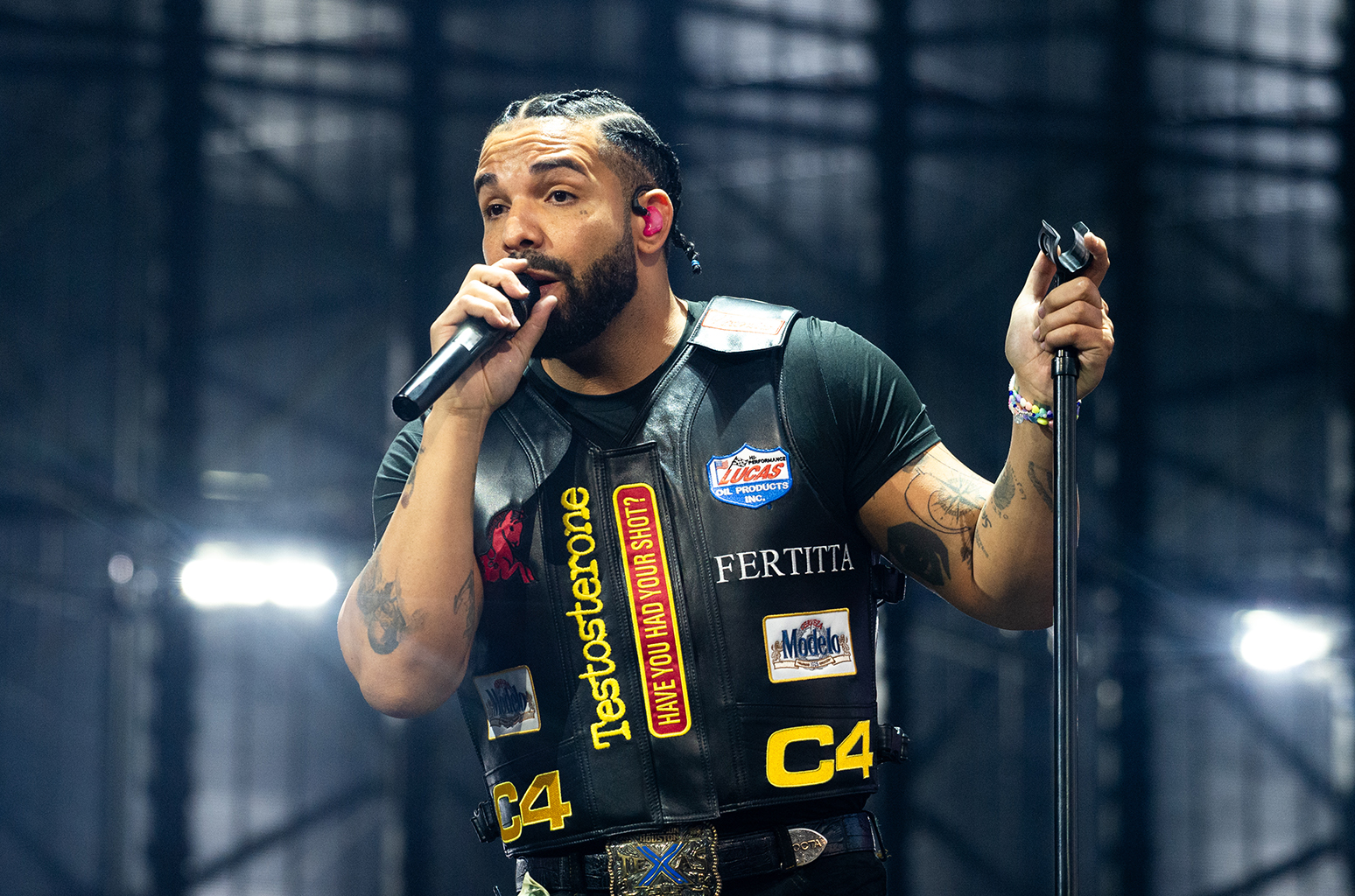
In an unprecedented lawsuit within the music industry, Drake had pursued legal action against Universal Music Group (UMG) for defamation, stemming from lyrics in Kendrick Lamar’s track “Not Like Us.” The song, part of a larger exchange of diss tracks between the two artists, labeled Drake a “certified pedophile,” a claim Drake argued was taken as fact by many.
Judicial Outcome
Judge Jeannette Vargas ruled on the case, deciding to dismiss it on the grounds that the insults exchanged during the artists’ conflict were not to be interpreted as literal facts but as artistic hyperbole typical of rap battles. The judge’s decision emphasized the context of the music industry’s culture, where harsh and provocative language is often part of the artistic and promotional strategy.
Despite the gravity of the accusations, the court viewed the context — a heated lyrical battle — as crucial in determining that the claim did not have legal merit as defamation.
Industry Reactions and Drake’s Legal Options
The dismissal has caused a stir in the entertainment sector, highlighting the unusual nature of litigating lyrics in music feuds. Traditionally, such disputes are settled in the court of public opinion or within the industry itself. Drake’s choice to escalate the battle to a legal forum was met with surprise and criticism. While Drake’s legal team has the option to appeal the ruling, the initial decision stands as a significant precedent in how legal boundaries are defined in artistic disputes.
Further Developments
Kendrick Lamar’s provocative approach, including a pointed performance of “Not Like Us” at the Super Bowl halftime show, exacerbated the public and personal rivalry. The track’s success, marked by multiple Grammy wins, only intensified the scrutiny and debate surrounding the feud.
Universal Music Group defended its actions robustly, arguing the nature of the genre and the mutual conduct of both artists involved. UMG’s statement highlighted that diss tracks often involve exaggerated and inflammatory rhetoric, which is integral to hip-hop music’s competitive nature.
Looking Forward
While this legal outcome may not end the personal grievances between Drake and Kendrick Lamar, it sets a substantial legal boundary concerning artistic expression in music. As the industry processes the implications of this ruling, it will likely influence how artists and labels manage the balance between creative expression and personal reputation in the future.
This is a developing news story and will be updated with more details as they become available.