
7 essential music community features to boost engagement
TL;DR:
- Community features that encourage engagement, inclusivity, and trust build loyal music communities.
- Collaborative playlists and small group chats foster organic music discovery and deeper fan-artist connections.
- Smaller, intimate spaces outperform large forums in nurturing genuine conversations and artist support.
Finding the right music platform can feel overwhelming when every app promises the ultimate fan experience. But the real difference between a forgettable streaming service and a thriving music community comes down to specific features that bring fans and artists closer together. Whether you love discovering underground hip-hop or following established pop acts, community tools shape how deeply you connect with the music and the people behind it. This guide walks through the most impactful music community features available today, explains what makes each one work, and shows you how to use them to get more joy out of every listening session.
Table of Contents
- Understanding what makes a great music community feature
- Collaborative playlists: Making music discovery social
- In-app group chats: Small circles, strong conversations
- Fan groups: Public spaces for sharing and discovery
- Direct artist interaction: Comments and live sessions
- Why smaller, more collaborative spaces win in music communities
- Take your music community experience further with BlockTone
- Frequently asked questions
Key Takeaways
| Point | Details |
|---|---|
| Collaboration drives discovery | Features like collaborative playlists and group chats significantly boost music discovery and engagement. |
| Small groups build trust | Intimate chat features reduce spam and foster genuine conversations, especially valuable for superfans. |
| Public fan groups diversify connection | Open fan groups allow for genre diversity and support both casual listeners and niche communities. |
| Direct artist interaction matters | Comment and session tools help create lasting loyalty and give fans unique feedback opportunities. |
Understanding what makes a great music community feature
Not every community feature is created equal. Some features look impressive on the surface but end up feeling hollow after a few weeks. The best ones share a handful of qualities that keep fans coming back and help artists grow real, loyal audiences.
Here are the core criteria that separate great community features from forgettable ones:
- Engagement: Does the feature encourage meaningful interaction, or just passive scrolling?
- Inclusivity: Can fans of all genres and backgrounds participate without barriers?
- Ease of use: Is the feature intuitive enough that users actually adopt it?
- Artist-fan impact: Does it genuinely bring artists and listeners closer together?
- Trust and safety: Does it reduce spam and protect the quality of conversation?
User-generated content like comments and playlists drives higher engagement than top-down curation, and collaborative features correlate with measurable retention lifts. That last point matters more than most people realize. Platforms that let fans shape the experience tend to hold attention far longer than those that simply push algorithmically curated content.
One often overlooked factor is spam control. A community feature is only as good as the conversations it hosts. Without moderation tools and thoughtful design, even the most promising space can devolve into noise. If you are just beginning your journey with discovering new music, prioritizing platforms with strong community standards will save you a lot of frustration.
Pro Tip: Before committing to a new music platform, spend 10 minutes browsing its community sections. If you see mostly spam or irrelevant posts, that is a signal the moderation tools are weak.
Collaborative playlists: Making music discovery social
With the criteria in mind, the first standout feature is collaborative playlists. These are shared playlists where multiple users can add, remove, and rearrange tracks in real time, turning music curation from a solo activity into a group experience.
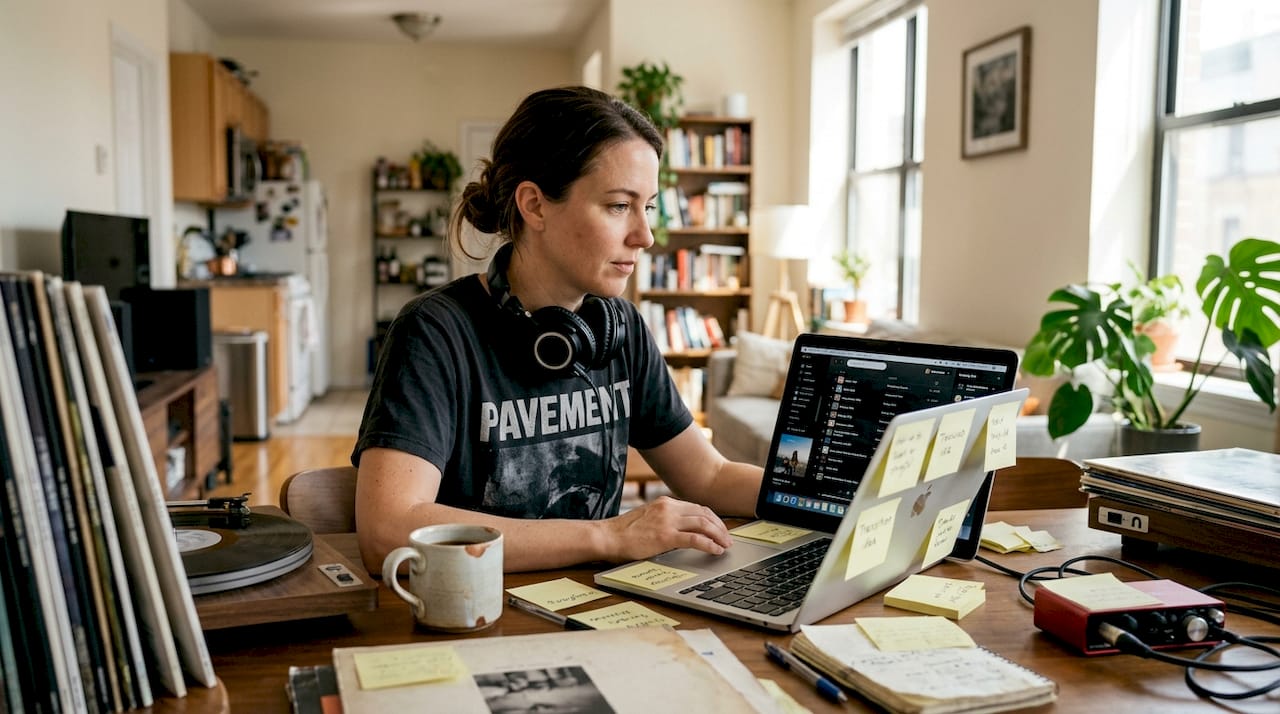
Collaborative playlists allow multiple users to add and edit playlists together, fostering shared discovery that feels organic and personal. The magic is in the spontaneity. When a friend adds a track you have never heard, you are far more likely to give it a genuine listen than if an algorithm suggested it.
Here is where collaborative playlists shine brightest:
- Group road trips and parties: Everyone contributes, so nobody feels like the DJ is ignoring their taste.
- Fandom circles: Dedicated fan groups build playlists that become living documents of an artist’s journey.
- Niche genre exploration: Small communities use shared playlists to surface tracks that would never appear on mainstream charts.
For emerging artists, collaborative playlists are a quiet but powerful discovery engine. When a passionate fan adds your track to a shared playlist, it reaches every person in that circle without any paid promotion. Platforms focused on connecting independent artists recognize this and actively encourage collaborative curation as part of their growth strategy. The benefit extends to multi-genre music fans too, since shared playlists naturally blend styles in ways that expand everyone’s taste.
Pro Tip: Start a collaborative playlist with just three or four trusted music friends. Keep it focused on one mood or theme. A tight concept attracts more engaged contributors than an open-ended “anything goes” list.
In-app group chats: Small circles, strong conversations
Collaboration is powerful, but sometimes, deeper community comes from smaller groups. Enter in-app group chats. These are private or semi-private messaging spaces within a music app, designed for a handful of people who already share listening habits.

In-app group chats limited to small circles of up to 10 people, based on prior sharing interactions, reduce spam and enhance intimate discussions around music. That design choice is intentional. When a group is small, every message carries more weight. People are less likely to post carelessly when they know their friends will read it.
Here is a quick comparison of small group chats versus large open forums:
| Feature | Small group chat | Large open forum |
|---|---|---|
| Spam rate | Very low | High |
| Trust level | High | Variable |
| Conversation depth | Deep and focused | Often shallow |
| Best for | Superfans, close friends | General discovery |
| Moderation needed | Minimal | Heavy |
“The most meaningful music conversations I have ever had happened in a group chat with six people who all loved the same obscure artist. It felt like a private club, and that exclusivity made every recommendation feel like a gift.”
For fans following real-time music event insights, small group chats are the ideal space to react live during a concert stream or album release. And for artists, understanding how these intimate conversations shape perception is key to building a lasting artist profile impact over time.
Fan groups: Public spaces for sharing and discovery
For those wanting broader conversation beyond their small circle, fan groups are the next level. These are public or semi-public communities within a music app, organized around a specific artist, genre, or theme.
Fan Groups enable public communities for discussing, sharing, and streaming music recommendations within the app, supporting diverse genres including niche interests. That inclusivity is what makes fan groups so valuable. A fan of Afrobeats and a fan of indie folk can both find their people without leaving the same platform.
Here is how fan groups compare to group chats at a glance:
| Aspect | Fan groups | Group chats |
|---|---|---|
| Size | Large, open | Small, invite-only |
| Privacy | Public or semi-public | Private |
| Discovery potential | High | Low |
| Depth of conversation | Moderate | High |
The benefits of fan groups include:
- Diversity of perspective: Fans from different backgrounds bring fresh takes on the same music.
- Support for emerging artists: A single enthusiastic post in a fan group can introduce a new artist to thousands of listeners.
- Community voting and polls: Groups often organize around shared decisions, like setlist votes or album rankings.
- Open discovery: Casual listeners and superfans coexist, creating a natural onboarding path for new fans.
The risks are real too. Without clear moderation rules, fan groups can attract spam and off-topic noise quickly. Platforms that invest in moderation tools and community guidelines tend to produce far healthier fan group ecosystems. For a step-by-step music discovery approach, joining a well-moderated fan group is one of the fastest ways to build your listening library. The impact for indie artists who land in active fan groups can be transformative.
Direct artist interaction: Comments and live sessions
Where public groups foster fan-to-fan engagement, direct artist interaction takes the connection further. Two features stand out here: comment threads on individual tracks and artist-led live sessions.
Here is how these features typically work:
- Track comment threads: Fans leave timestamped or general comments on a song, sharing what a lyric means to them or how a track changed their day.
- Scheduled Q&A livestreams: Artists go live on the platform, answer fan questions in real time, and sometimes debut unreleased material.
- Artist responses: Some platforms allow artists to reply directly to fan comments, turning a one-way listening experience into a genuine dialogue.
- Feedback loops: Artists use comment data to understand which tracks resonate most, informing future creative decisions.
Artist-led sessions and comment features on tracks allow direct feedback and insights from artists, creating a loop of creativity and connection that benefits both sides. Fans feel heard. Artists feel inspired. That dynamic is rare and worth protecting.
For artists looking to boost music plays, a well-timed live session around a new release can generate significant buzz. The comments that follow a session often become a secondary discovery tool, drawing in new listeners who stumble across the conversation. Platforms built around direct artist-fan interaction understand that this kind of authentic engagement is what turns casual listeners into lifelong supporters.
Why smaller, more collaborative spaces win in music communities
Now that we have explored the core community feature options, here is a realistic take on what actually works for fans and artists in 2026. Large, traditional forums sound appealing. The idea of thousands of fans in one place feels exciting. But in practice, those spaces often collapse under the weight of spam, trolling, and shallow posts that drown out genuine conversation.
Small, intimate groups outperform large forums by curbing spam and building trust, making them ideal for emerging artists’ superfans. That is not just a design preference. It reflects something true about how people connect over music. The most powerful fan communities we have seen grow from tight, passionate micro-groups that eventually expand outward, not from massive open forums that try to be everything to everyone.
Collaborative playlists and small group chats create a sense of safety and focus that large spaces simply cannot replicate. When an emerging artist earns the loyalty of even 50 deeply engaged fans, those fans become ambassadors who spread the music organically. Platforms that want to support emerging artists should invest heavily in tools that nurture these small, passionate communities rather than chasing vanity metrics like total user counts.
Take your music community experience further with BlockTone
If you want to see these features in action or join communities built for music enthusiasts and creators, here is how BlockTone delivers. BlockTone Records is designed around the belief that great music deserves a great community to surround it.
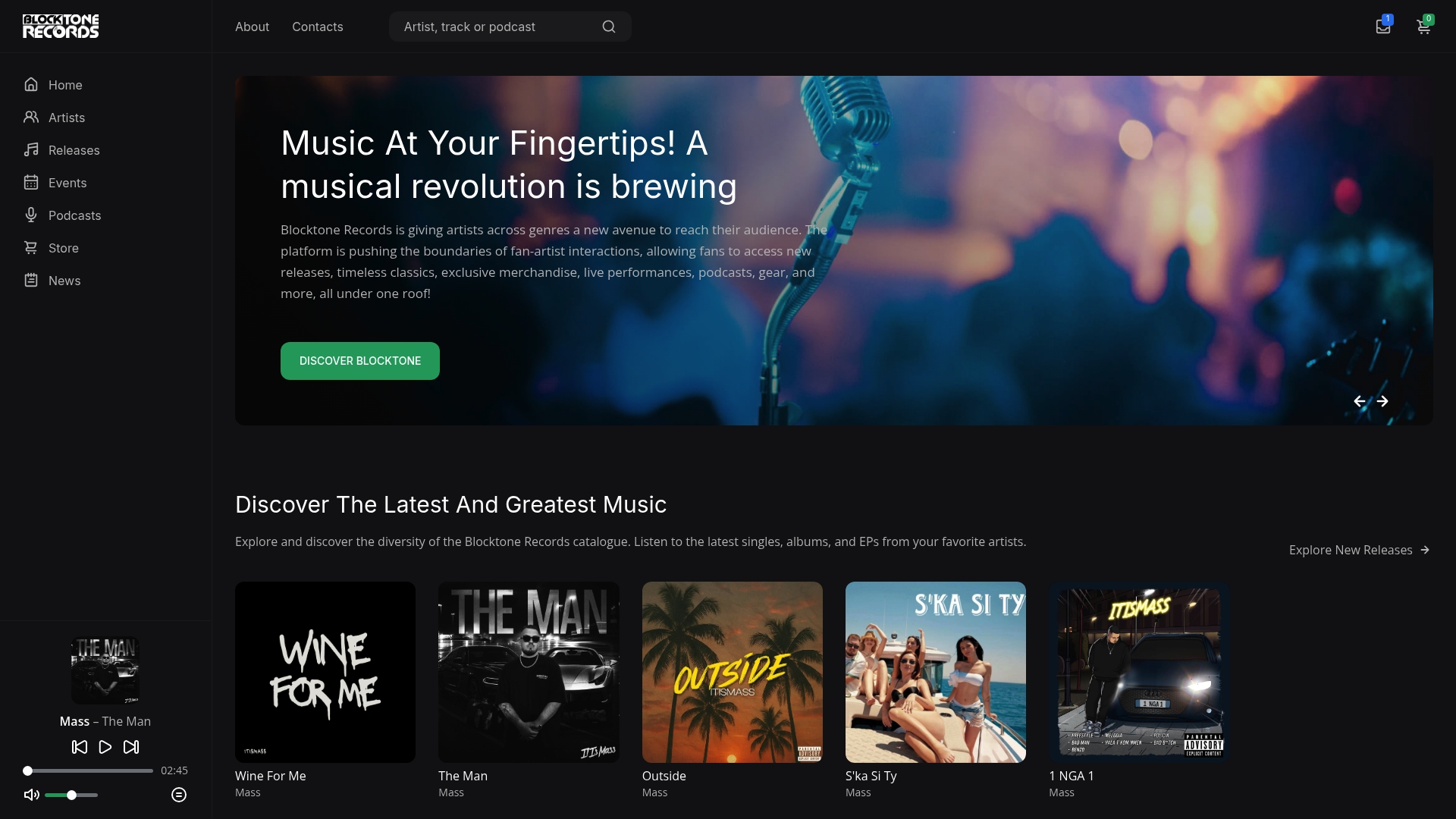
Through community-powered music discovery, fans can explore artist profiles, follow new releases, and engage with the music they love in a space built for genuine connection. BlockTone Records brings together emerging and established artists across every genre, giving fans the tools to discover, share, and celebrate music that moves them. If you are an artist looking to grow your audience, the platform’s music distribution tips section offers practical guidance on getting your music heard by the right people.
Frequently asked questions
What is the most effective music community feature for discovering new artists?
Collaborative playlists and small group chats are especially effective for discovering and sharing new artists among trusted circles. Shared discovery through playlists and intimate group trust both outperform algorithm-only recommendations for genuine artist discovery.
How do fan groups differ from group chats in music apps?
Fan groups are larger, public communities for open discussion, while group chats are usually small, invite-only spaces for private sharing. Fan Groups support broad genre discovery, while small chat circles prioritize depth and trust over reach.
Do artist-led sessions really improve fan loyalty?
Yes, direct interaction through sessions and track comments greatly increases fan loyalty and interest. Artist-led sessions let fans share feedback and connect directly with artists, turning passive listeners into active, devoted supporters.
Can these community features help emerging artists get noticed?
Absolutely. Tools like collaborative playlists and micro-groups can amplify new artists and genres organically. Collaborative playlists and micro-communities are especially beneficial for emerging artists seeking exposure without a large marketing budget.