Bad Bunny’s “DTMF” Meaning Explained
What Is “DTMF” About?
“DTMF” is a song about regret, memory, and the painful realization that everyday moments often become most valuable only after they are gone. At its core, Bad Bunny uses the phrase “Debí Tirar Más Fotos” — “I should have taken more photos” — as a way of expressing how people fail to fully appreciate love, family, friendship, and place until distance or loss makes those things unreachable.
What makes the song especially powerful is that it does not stay limited to one kind of absence. It can be heard as a song about a past relationship, but it also works as a reflection on aging, mortality, community, and Puerto Rican identity. The title track sits at the emotional center of DeBÍ TiRAR MáS FOToS, where memory is not just sentimental decoration but the main subject itself. (Apple Music)
Background and Release Context
“DTMF” was released on January 5, 2025, as part of Bad Bunny’s album DeBÍ TiRAR MáS FOToS. Public credits on Apple Music list the track on the album and identify a large creative team behind it, including Bad Bunny and collaborators such as MAG, Tyler Spry, Scotty Dittrich, JULiA LEWiS, and La Paciencia. The song’s placement on the album matters because the whole project is built around memory, home, Puerto Rican cultural identity, and the fear of losing what once felt permanent. (Apple Music – Album Page)
Bad Bunny framed the album in interviews as a return to Puerto Rico, both musically and emotionally. In a major TIME interview published around the album’s release, he described finding a sound that represented him more truthfully and spoke about the pain of seeing Puerto Rico celebrated by outsiders while also feeling sadness about what the island has lost or may still lose. That context helps explain why “DTMF” feels bigger than a private heartbreak song: it is about the people you love, but also about the world that made you. (TIME)
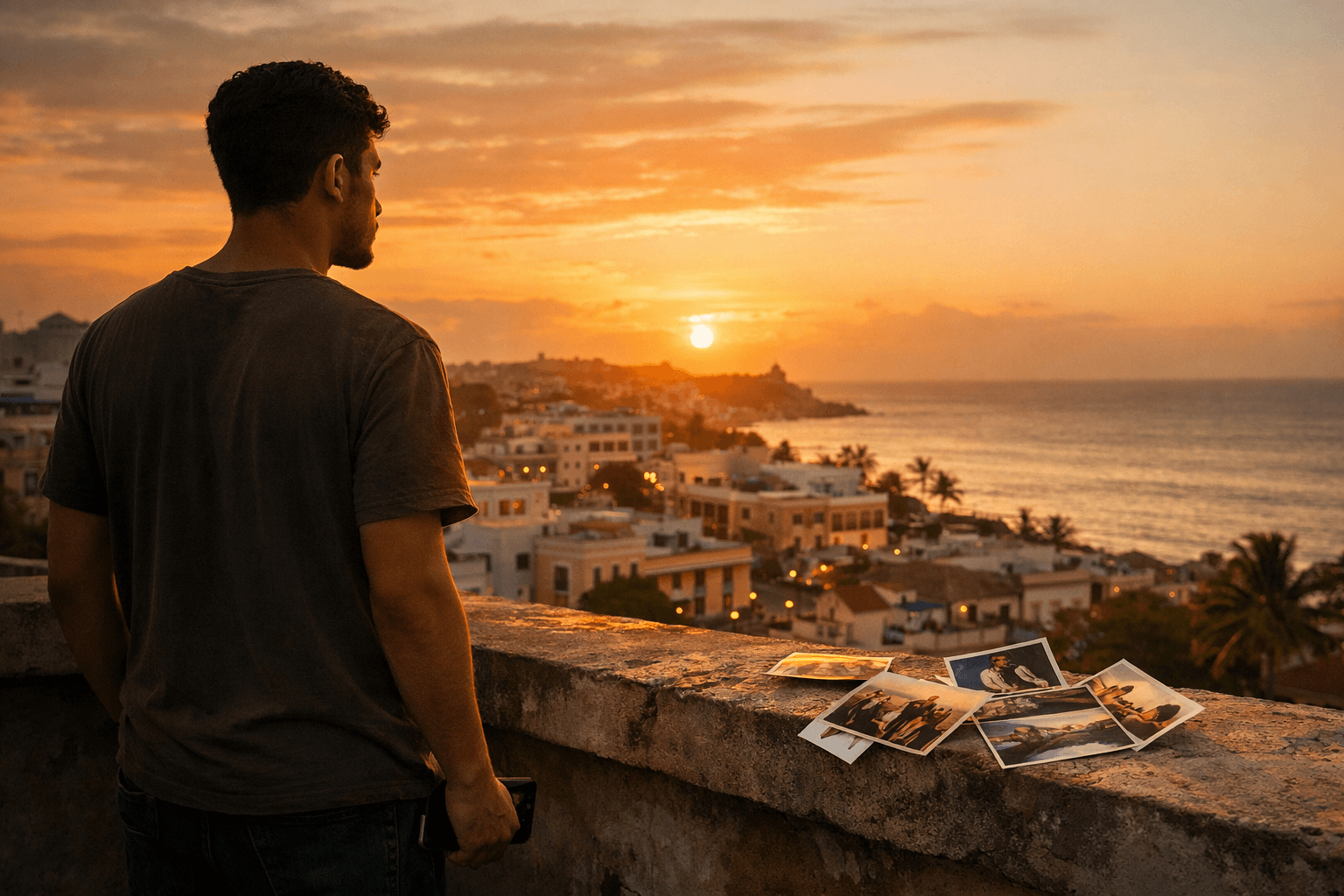
The larger rollout reinforced that theme. Before the album arrived, Bad Bunny released a short film titled Debí Tirar Más Fotos, centered on remembrance, old photographs, and life in Puerto Rico. That visual framing makes it even clearer that the song’s title is not just a clever line; it is the emotional thesis of the whole era. (Pitchfork)
The song also became one of the project’s biggest commercial successes. It topped the Billboard Global 200 in January 2025 and later reached No. 1 on the Billboard Hot 100 in February 2026, showing that a deeply local and emotionally reflective song could still become a massive global hit. (Billboard – Global 200)
The Meaning Behind “DTMF”
The main meaning of “DTMF” is simple, but devastating: people rarely understand the full value of a moment while they are living inside it. Bad Bunny turns that realization into a song of hindsight, where the pain does not come from one dramatic betrayal, but from smaller failures — the missed photo, the hug not held long enough, the kiss not given when there was still time.
That is why the song hits so hard emotionally. It is not about a love story collapsing in spectacular fashion. It is about life moving forward while the singer slowly realizes that what he had was more precious than he treated it in the moment. The phrase “I should have taken more photos” becomes a metaphor for paying more attention, loving more openly, and preserving more of what mattered while it was still within reach.
The song’s emotional intelligence comes from how widely it applies. It can describe romantic regret, but it also fits parents, grandparents, old friends, neighborhoods, and even cultural memory. In Bad Bunny’s own comments about the album, he suggested that the songs can point not just to lost love, but to other things that are simply no longer there. That broader reading is one reason “DTMF” connected so deeply with listeners. (TIME)
Another key part of the song’s meaning is that memory is never abstract. Bad Bunny fills the lyrics with specific details, sounds, and places, which gives the song weight. He does not mourn in a blank emotional space. He mourns through scenes of San Juan, family routines, music, neighborhood life, and shared rituals. That grounding makes the song feel lived rather than generic.
Lyrics Breakdown, Section by Section
Verse 1 Meaning
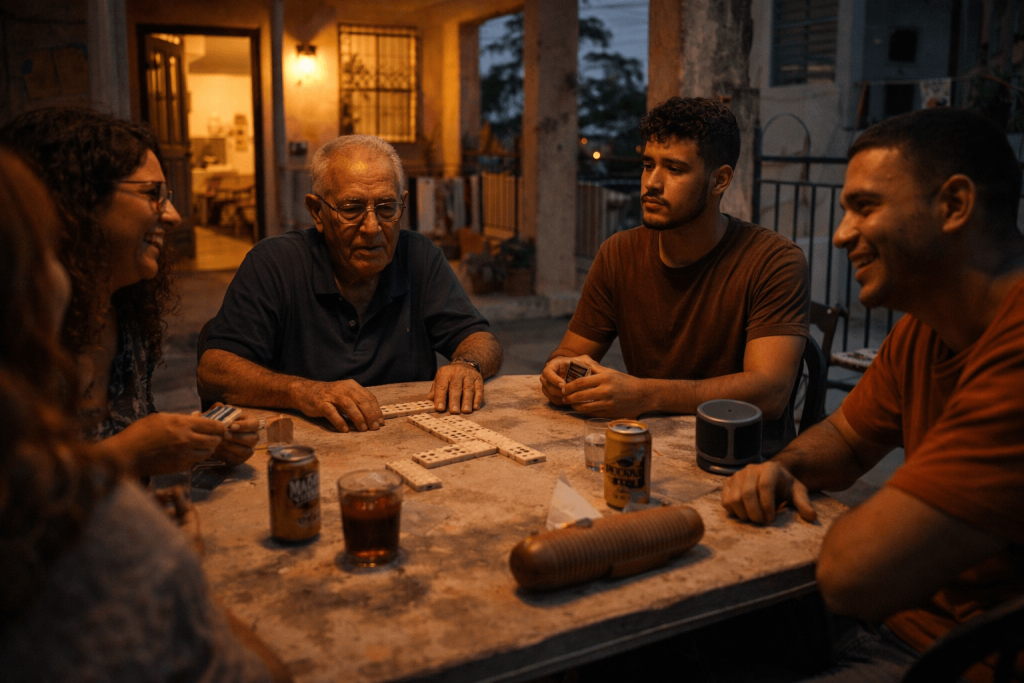
The opening verse presents a beautiful setting, but beauty only sharpens the pain of absence. Bad Bunny is surrounded by life, movement, and atmosphere, yet his mind keeps returning to someone who is not there. That contrast is essential: the problem is not that the world has become empty, but that it now feels incomplete.
He also starts looking backward almost immediately, thinking about the last time he saw the person he misses. The regret begins there. He wishes he had spoken more, held on more, and preserved more. The photos in the title are not about vanity or social media; they symbolize proof that a moment mattered and proof that it really happened.
Pre-Chorus Meaning
The transition into the chorus works like a rush of physical emotion. Memory is no longer just something he thinks about; it becomes something he feels in his body. The song captures that familiar experience of trying to enjoy the present while a memory suddenly floods in and changes the emotional temperature of the entire moment.
Chorus Meaning
The chorus is the song’s thesis. Bad Bunny regrets not taking more photos, giving more kisses, and sharing more hugs while he still had the chance. But he also broadens the feeling outward by talking about “my people” and hoping they never move away. That detail is crucial because it shifts the song from private regret to communal fear.
In other words, the chorus is not only about one missing person. It is about the terror of separation itself — the fear that the people, relationships, and spaces that define your life can be scattered by time, death, distance, migration, or change. This is where the song becomes much larger than a breakup.
Verse 2 Meaning
The second verse deepens the song by moving into everyday life. There are family references, social rituals, and ordinary scenes that feel warm on the surface, yet they are filled with emotional aftershock. Bad Bunny sounds like someone trying to live normally while carrying unresolved absence inside him.
This part of the song also introduces one of its most mature ideas: you never really know how much time is left. That thought turns regret into something more existential. The problem is not just that he misses someone; it is that life gave him no guarantee that the moment would repeat. Once that truth arrives, every small memory suddenly feels enormous.
Bridge Meaning
The bridge is one of the song’s smartest emotional turns. Instead of remaining trapped inside loss, Bad Bunny addresses the people around him and calls them closer, effectively choosing to preserve the present before it also slips away. The song does not fully heal, but it does learn.
That shift gives “DTMF” its deeper wisdom. Regret becomes a lesson in attention. The singer cannot go back and recover what has already passed, but he can stop repeating the same mistake with the people who are still here now.
Outro Meaning
By the outro, the repeated regret no longer feels like pure helplessness. It sounds more like a final confession and a warning to himself. The pain remains, but the song has changed it into awareness. That is why the ending feels emotional rather than hopeless: memory still hurts, yet it also teaches him what to protect.
Hidden Meanings, Metaphors, and Symbolism
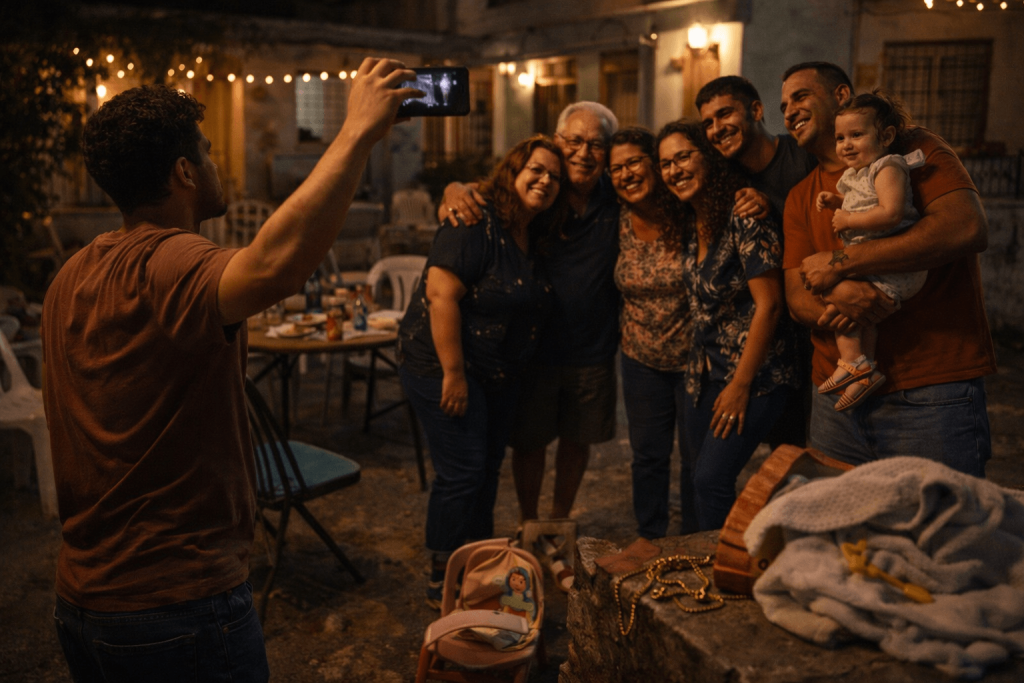
The central metaphor is the photograph itself. In “DTMF,” a photo stands for attention, gratitude, and the desire to hold onto proof that a moment mattered. Saying “I should have taken more photos” is really a way of saying “I should have noticed more, loved harder, and treated those moments as precious while they were happening.”
The song also uses everyday local detail as emotional symbolism. References to places, sounds, and family customs make memory feel concrete. Bad Bunny is not singing about loss in abstract poetic terms; he is mapping it onto a recognizable social and cultural world. That choice gives the song a richness that a more generic heartbreak ballad would not have.
There is also a likely double meaning in the wish that “my people” do not move away. At the most immediate level, it fits the song’s concern with keeping loved ones near. But in the context of an album so deeply tied to Puerto Rico, cultural continuity, and belonging, the line can also be read as a plea against displacement and fragmentation. That wider interpretation is not a confirmed line-by-line explanation from Bad Bunny, but it fits the album’s broader themes strongly enough to be taken seriously. (TIME)
Another subtle contrast in the song is between spectacle and permanence. Status symbols, fast living, and outward success matter less here than family, history, music, and memory. That contrast helps explain why the song feels so grounded: it values what lasts emotionally over what shines publicly.
Is the Song Based on a Real Person or Event?
There is no verified evidence that “DTMF” is about one specific public relationship or one confirmed real-life event. The most responsible reading is that the song draws from real emotional experience, but leaves its target deliberately open. That ambiguity is part of what makes it effective.
Bad Bunny’s own comments around the album support that wider interpretation. He suggested that the emotions in these songs can relate to lost love, but also to other absences and forms of grief. So while listeners may connect the song to specific people or moments in his life, those readings remain speculative unless he confirms them directly. (TIME)
How This Song Fits Into Bad Bunny’s Catalog
“DTMF” fits into Bad Bunny’s catalog as one of his clearest statements about maturity, memory, and rootedness. He has often balanced vulnerability with confidence, but this song strips away a lot of the ironic distance and performance energy that can define his biggest hits. What remains is something quieter, warmer, and more reflective.
It also fits the DeBÍ TiRAR MáS FOToS era perfectly. This is an album built around return: return to Puerto Rican sounds, return to intergenerational memory, return to emotional directness, and return to the question of what should be preserved before it disappears. In that sense, “DTMF” is not just one song on the album. It is the song that explains why the album exists at all.
That centrality helps explain why it resonated so strongly both critically and commercially. The song connects a deeply personal regret to a collective emotional reality, which is one of the hardest things for a pop song to do well.
Final Thoughts
The most convincing interpretation of “DTMF” is that it is a song about realizing too late how much was worth saving. It mourns not only a person, but also time itself — the time when you could still say more, hold on longer, and understand the value of what was right in front of you.
That is why the song resonates so widely. Almost everyone knows what it feels like to look back on a moment and wish they had been more present inside it. Bad Bunny gives that feeling a simple, unforgettable phrase and then builds an entire emotional world around it. “DTMF” is sad, but it is also instructive: appreciate the people you love while they are still here, because memory is powerful, but it is never as good as the moment itself.
FAQs About “DTMF”
What does “DTMF” mean in Bad Bunny’s song?
What is “DTMF” about?
Who wrote “DTMF”?
What album is “DTMF” from?
Is “DTMF” based on a true story?
Why did “DTMF” connect so strongly with listeners?
Sources Used
- Apple Music – DtMF song page
- Apple Music – DeBÍ TiRAR MáS FOToS album page
- TIME – Bad Bunny on Debí Tirar Más Fotos and returning home to Puerto Rico
- Pitchfork – Bad Bunny’s Debí Tirar Más Fotos short film
- Billboard – “DtMF” reaches No. 1 on the Global 200
- Billboard – “DtMF” reaches No. 1 on the Hot 100
- GRAMMY.com – 2026 Song of the Year nominees including “DtMF” songwriter credits