DaBaby’s “Pop Dat Thang” Meaning, Lyrics and Context
Why “Pop Dat Thang” Hits So Directly
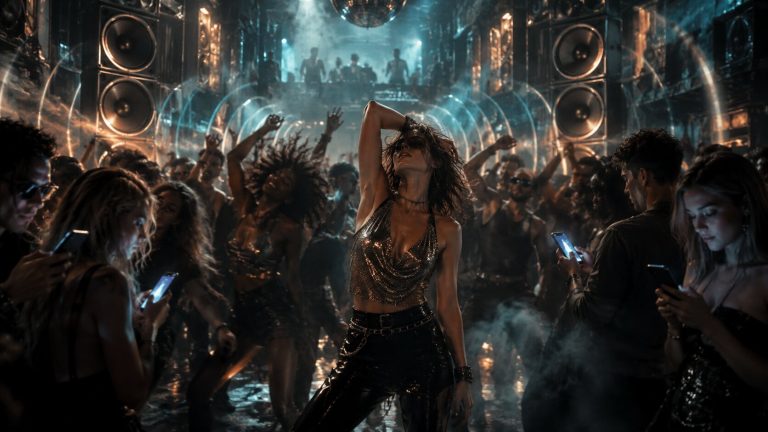
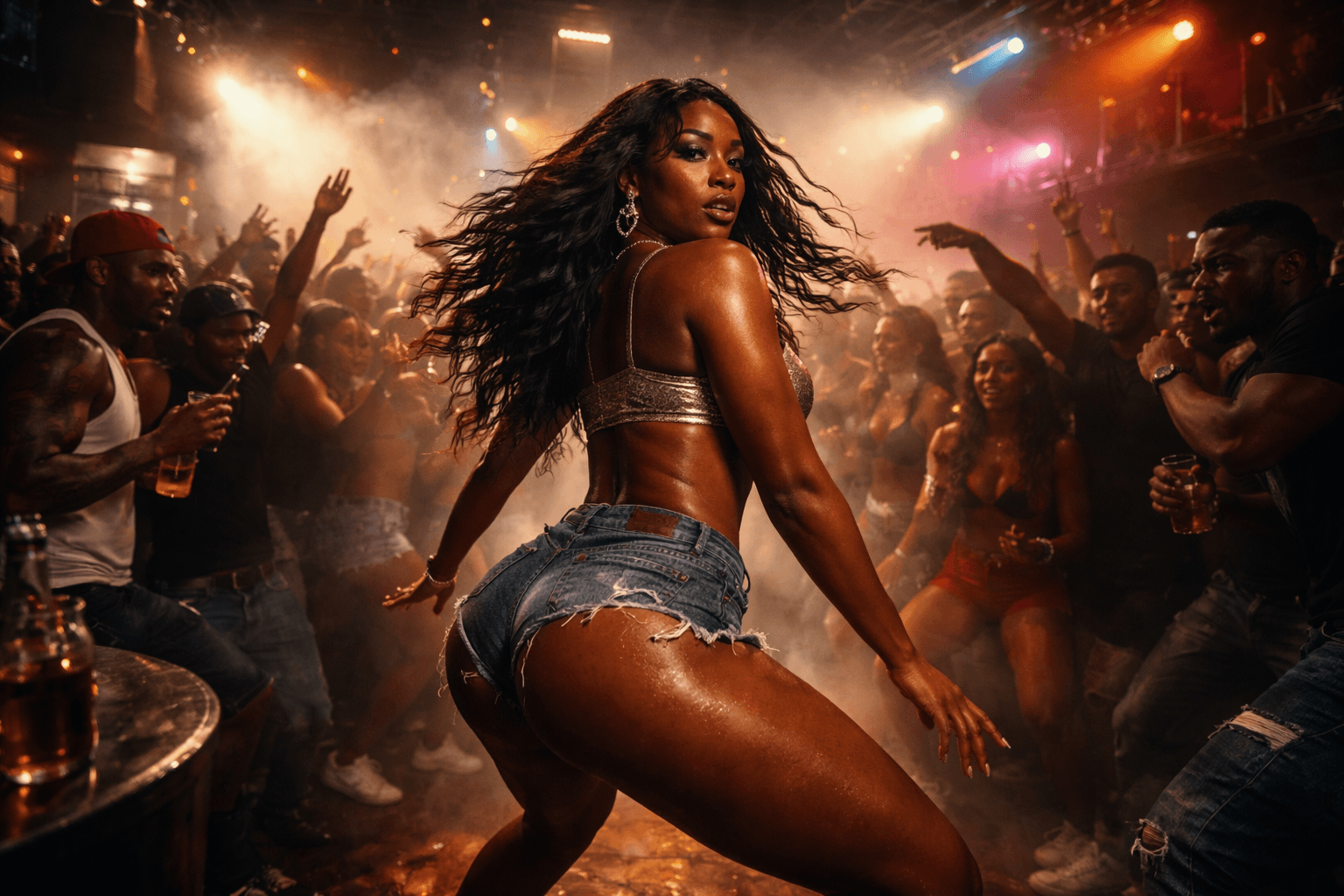
DaBaby’s “Pop Dat Thang” is a club-first record built around movement, command, and sexual energy. Its meaning is straightforward on the surface: the song celebrates dancing, attraction, and the kind of public chemistry that turns a room into a stage. But what gives it staying power is not a complicated storyline. It is the way the record uses repetition, bounce, and performance to make desire feel immediate and physical.
Instead of unfolding like a confession or a narrative rap track, “Pop Dat Thang” works like an event. DaBaby keeps the language blunt and the structure tight so the song lands fast. The hook is designed less as a poetic statement than as a chant that pushes the listener back into the beat. That makes the song feel more like a live reaction waiting to happen than a private thought being shared.
The Song’s Place in DaBaby’s 2026 Era
“Pop Dat Thang” was released as a single on January 23, 2026, and then appeared on DaBaby’s album BE MORE GRATEFUL, released on January 30, 2026. The official credits list Jonathan Kirk, Anthony L. Mosley, Adam Gamble, Tobias Wincorn, and Vaughn Oliver as writers, while production is credited to Sean da Firzt, KayoTheWizard, Tobias Wincorn, and Vaughn Oliver. (Apple Music)
That release context matters because BE MORE GRATEFUL was presented as a broader, more reflective DaBaby project, with songs about pain, vulnerability, and perspective sitting next to more playful or explicit records. Within that tracklist, “Pop Dat Thang” feels intentional: it is the moment where the album stops looking inward and turns back toward the club, the body, and the room. Apple Music’s editorial description even frames the song as drawing on Miami bass raunch and Freaknik-style energy, which helps explain why the record sounds so deliberately physical and uninhibited. (Apple Music – BE MORE GRATEFUL)
At the Center: Movement, Desire, and Command
The core meaning of “Pop Dat Thang” is not hidden. DaBaby is making a song about erotic movement and the power of spectacle. The woman at the center of the lyrics is not described through emotional detail or backstory; she is presented through presence, rhythm, and impact. The focus stays on what her dancing does to the room and what it does to DaBaby’s attention.
That creates an important tension in the song. DaBaby sounds commanding, but the track itself depends on someone else’s movement to generate its energy. He delivers the instructions, yet the performance that actually drives the scene belongs to the dancer being addressed. In that sense, the song is about control, but it is also about reacting to power when it appears in front of you. The beat, the chant, and the delivery all reinforce that push-and-pull dynamic.
There is also no real attempt to soften the song with romance, regret, or emotional vulnerability. “Pop Dat Thang” stays in one lane on purpose. It does not want to evolve into a love story or reveal hidden heartbreak halfway through. It wants to intensify one mood and hold it there. That narrow focus is exactly why it works as a club record.
Reading the Lyrics as Performance
The hook turns the body into the beat
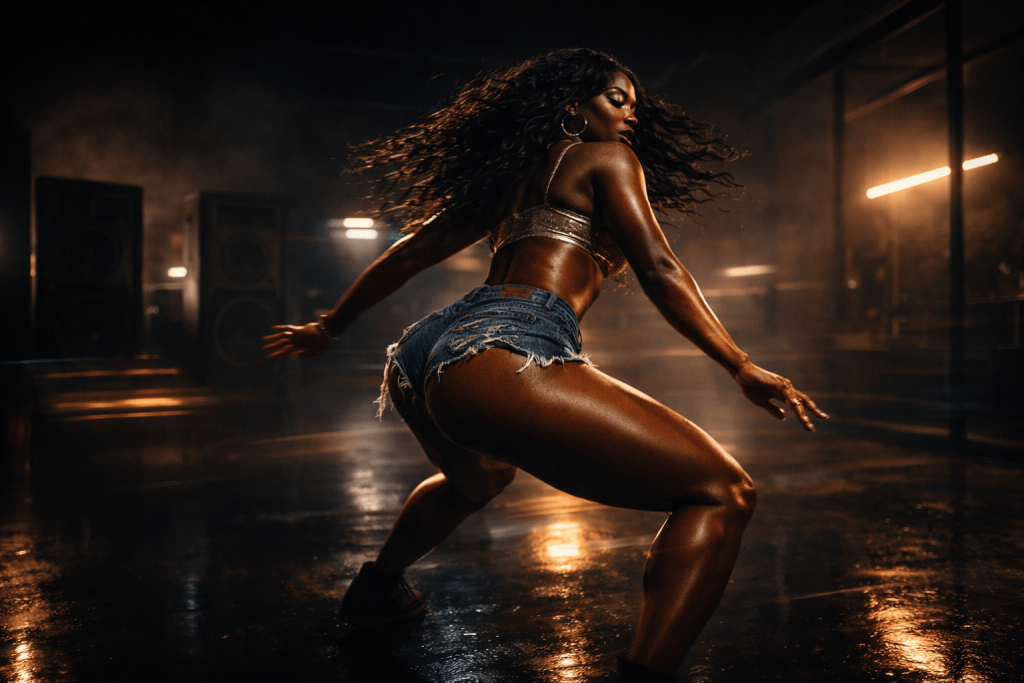
The chorus is the real engine of the track. Rather than setting up a plot, it repeats a command until that command becomes part of the percussion. DaBaby uses explicit language as rhythm, not just description. The hook is memorable because it is built to be shouted, echoed, and answered physically, whether that means dancing, reacting, or simply feeling the force of the beat in a crowded space.
That is why the song can feel bigger than its actual length. It does not need a complicated structure when the refrain already does so much work. Each repetition increases the sense that the record is less about saying something new than about pushing the same energy harder.
The verses expand the same mood instead of changing it
When DaBaby moves beyond the hook, he does not introduce a new emotional angle. He keeps adding to the same atmosphere. The verses mix sexual bravado, celebrity presence, and visual detail, which makes the song feel public even when the subject matter is intimate. Desire here is never framed as private or delicate. It is loud, watchable, and meant to get a reaction.
That matters because “Pop Dat Thang” is not trying to sound sensual in the soft R&B sense. It is trying to sound charged, raw, and socially amplified. Even its most explicit moments feel staged for the room rather than whispered in private. Billboard described the song as a deliberately raw, club-ready record that leans into shock value and physical energy, which is a useful summary of how the lyrics function. (Billboard)
There is no emotional twist, and that is the point
Some songs become more interesting by revealing a hidden second layer near the end. “Pop Dat Thang” does the opposite. It refuses to pivot. There is no bridge that suddenly reframes the track as sadness, longing, or memory. The ending simply carries the same pulse forward, which makes the record feel loop-friendly and replayable.
That choice is not a lack of craft. It is the craft. DaBaby and his producers understand that a record like this succeeds by staying locked into its own momentum. The song is short, direct, and designed to leave residual energy in the air rather than to close a narrative arc. (Shazam)
The Strongest Symbols in the Song
The most important symbolic idea in “Pop Dat Thang” is that movement equals power. Dancing is not decoration here. It is the force that organizes the entire track. The song treats the body as something capable of commanding attention more effectively than explanation ever could. In other words, what matters is not interior meaning but visible impact.
There is also a deeper rap-performance layer under the explicit language. DaBaby has always understood the value of cadence, punch, and instantly recognizable attitude. In this song, sexuality becomes another version of his performance style. The same instincts that make a rap line hit also make the hook work: brevity, repetition, emphasis, and confidence.
The regional influence matters too. The album framing around Miami bass and Freaknik energy places “Pop Dat Thang” inside a Southern party tradition where exaggeration, bass pressure, and crowd response are central to the art form. Heard through that lens, the song is not trying to be subtle. It is trying to be effective. (Apple Music – album notes)
Is There a Real-Life Story Behind It?
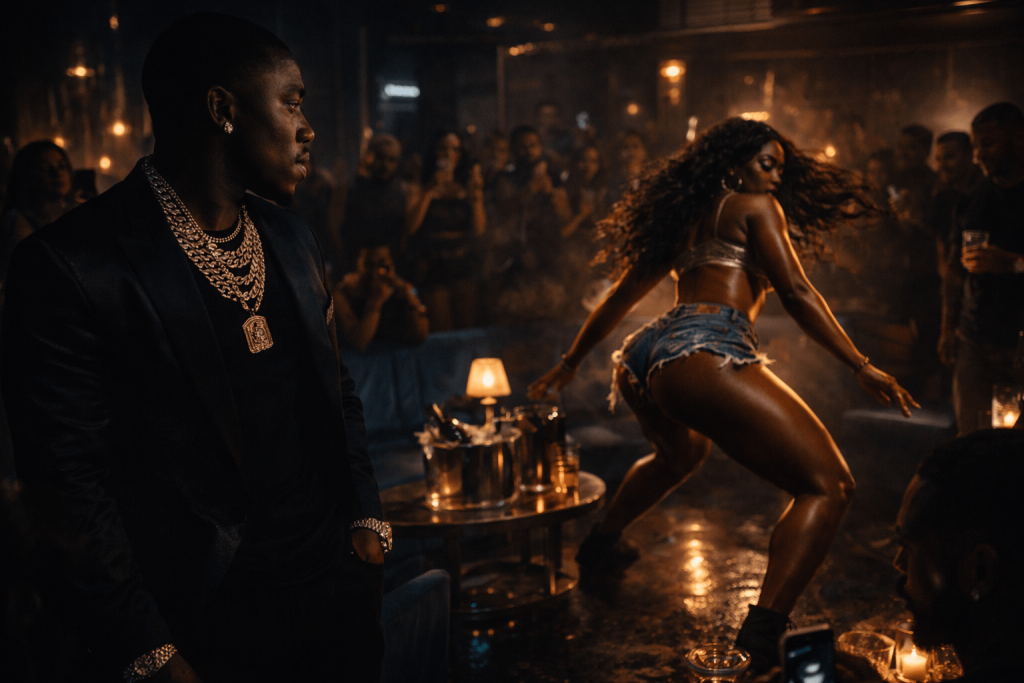
There is no strong verified evidence that “Pop Dat Thang” is about one specific real person or one documented real-life event. The available release material and song metadata do not point to a confirmed muse or autobiographical backstory. The safer reading is that DaBaby is working with a familiar club archetype rather than a named individual. (DaBaby official song link)
That does not make the song shallow. It simply means the realism comes from recognition rather than confession. Listeners understand the type of scene immediately: music loud, bodies central, attention public, confidence exaggerated. The song gets its force from that shared cultural script.
Where It Fits in DaBaby’s Catalog
“Pop Dat Thang” fits comfortably into the more explosive side of DaBaby’s catalog, where rhythm and attitude matter as much as content. He has long been strongest when he sounds like he is attacking the beat with total certainty, and this song gives him exactly that kind of space. Even when the lyrical material is simple, the delivery keeps it effective.
What makes the track more interesting in context is that it arrives during an album era that also makes room for more reflective writing. That contrast helps “Pop Dat Thang” stand out. It is not presented as the emotional thesis of BE MORE GRATEFUL; it is presented as one of the album’s release points, where introspection gives way to heat, swagger, and motion.
The commercial response also suggests that DaBaby understood the record’s role clearly. It broke into major U.S. and U.K. chart conversations during spring 2026, which matches its design as an immediately usable single rather than a deep album cut meant only for close listeners. (Billboard Hot 100)
Why the Song Connects
“Pop Dat Thang” resonates because it does not overcomplicate its own purpose. It knows exactly what kind of record it wants to be and commits to that identity all the way through. The production is punchy, the chant is sticky, and DaBaby never steps outside the lane long enough to dilute the energy.
Its meaning, then, is best understood as performance design. This is a song about what happens when attraction becomes public spectacle and rhythm turns desire into command. It is not DaBaby at his most vulnerable or his most layered, but it is DaBaby using directness as a weapon. That clarity is why the song works: it makes the body the message and the beat the delivery system.
FAQs About “Pop Dat Thang”
What does “Pop Dat Thang” mean in DaBaby’s song?
What is “Pop Dat Thang” about?
Who wrote “Pop Dat Thang” by DaBaby?
Who produced “Pop Dat Thang”?
What album is “Pop Dat Thang” from?
Is “Pop Dat Thang” based on a true story?
Sources Used
- Apple Music – POP DAT THANG song page
- Apple Music – BE MORE GRATEFUL album page and editorial description
- Shazam – “POP DAT THANG” song page and credits
- DaBaby official song link page
- Billboard – R&B/Hip-Hop Fresh Picks feature mentioning “Pop Dat Thang”
- Billboard – Hot 100 chart page
- Official Charts – “POP DAT THANG” chart page