
Why Buying Streams Can Destroy Your Music Career
Buying streams can look like a shortcut when a release is moving slowly, but it is one of the fastest ways to damage an artist profile. Fake plays may inflate a number for a moment, but they do not create fans, saves, followers, ticket buyers, mailing-list signups, or real demand.
For independent artists, the risk is bigger than wasted money. Artificial streaming can lead to removed streams, unpaid royalties, playlist removal, distributor warnings, penalty fees, account suspension, and even takedowns. Spotify states that services promising guaranteed streams or playlist placement in exchange for payment are not legitimate and can violate platform rules. (Spotify Support – Third-party services that guarantee streams)
This guide explains why buying streams is dangerous, how fake activity affects your career, how to spot unsafe promotion offers, and what to do instead if you want long-term growth built on real listeners.
Key Takeaways
| Point | Details |
|---|---|
| Guaranteed streams are a warning sign | Any service promising a specific number of streams, followers, or playlist placements should be treated as high risk. |
| Fake streams can trigger penalties | Artificial activity may result in removed streams, unpaid royalties, takedowns, playlist removal, or distributor action. |
| Bad data hurts future campaigns | Bot activity distorts your audience analytics, making it harder to understand where real listeners are coming from. |
| Industry professionals notice mismatched numbers | Large stream counts with weak saves, followers, social engagement, or live demand can damage credibility. |
| Real growth is slower but useful | Organic listeners give you meaningful signals: saves, repeat plays, follows, comments, shares, and direct fan relationships. |
What You Really Buy When You Buy Streams
When an artist buys streams, they are usually not buying attention. They are buying a temporary metric. A number goes up, but the audience behind that number often does not exist in any meaningful way.
A genuine listener creates a chain of useful signals. They may hear the song, save it, follow the artist, add it to a playlist, share it with a friend, watch a music video, or return to the artist’s catalog later. Even one listener who does not become a fan still provides useful behavioral data.
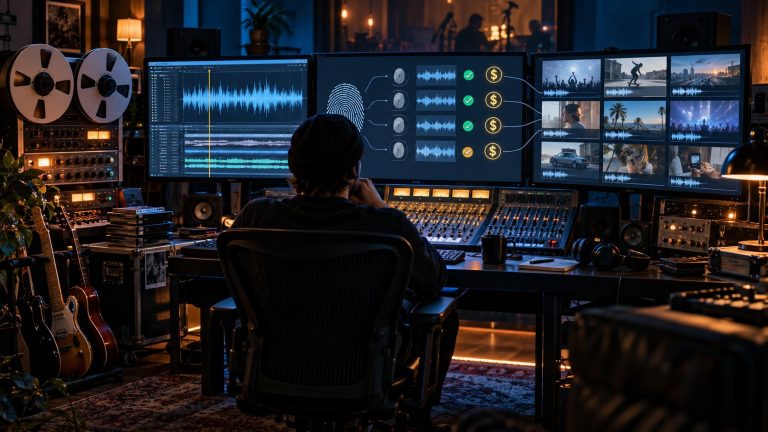
A fake stream skips that entire process. It may come from bots, click farms, incentivized listening networks, low-quality playlists, hacked accounts, or systems built only to manipulate play counts. Spotify says artificial streams are streams that do not reflect genuine user listening intent, including activity generated by bots or scripts. (Spotify for Artists – Artificial streaming)
This is why bought streams do not create real leverage. They can make a track appear more active for a short time, but they do not help you understand your audience, improve your music marketing, or build a fanbase that will support future releases.
The Vanity Metric Trap
A song with 50,000 fake streams and 20 saves is not stronger than a song with 5,000 real streams and 600 saves. The second song has actual listener intent behind it. The first song has a number that may collapse once the fake activity is detected or removed.
This is one of the most dangerous parts of buying streams: it gives artists a false baseline. Once an artist profile shows inflated numbers, every future release can feel like a failure unless the artist keeps paying for fake activity. Instead of building momentum, the artist becomes dependent on manipulation.
The result is a profile that looks busy but feels empty. There may be streams, but no fan comments. There may be monthly listeners, but no ticket interest. There may be playlist activity, but no saves or repeat listeners. That gap becomes obvious over time.
How Fake Streams Can Put Your Catalog at Risk
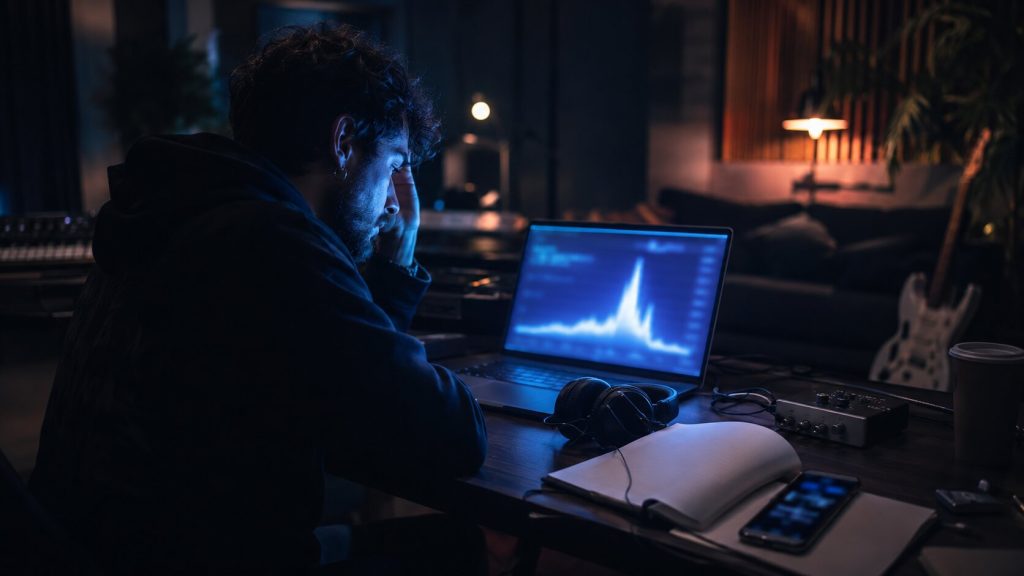
The worst outcome is not simply losing the streams. Platforms and distributors may take further action when artificial streaming is detected.
Spotify says detected artificial streams do not earn royalties, do not count toward public stream numbers or charts, and do not positively influence recommendation algorithms. Depending on the severity, consequences may include removal from Spotify playlists, distributor warnings, penalty fees, account suspension, or removal of music from Spotify. (Spotify for Artists – Artificial streaming policy)
Distributors also warn artists about artificial streaming. DistroKid states that if the majority of streams on a release are found to be artificial, the release may be removed from streaming services and royalties from artificial streams will not be paid. (DistroKid – What is artificial streaming?)
Royalties May Be Withheld
Fake streams do not create clean income. If streams are identified as artificial, royalties connected to those streams may be withheld. This matters even if the amount is small, because it affects accounting, collaborator splits, label conversations, and distributor trust.
If you are working with producers, featured artists, songwriters, or investors, suspicious royalties can create uncomfortable questions. A short-term attempt to look successful can become a long-term administrative problem.
Distributor Penalties Can Happen
Some distributors may pass platform penalties or fees to artists. TuneCore states that Spotify charges providers a per-track fee when tracks are identified in Spotify’s fraud reporting, and TuneCore passes that fee to the account holder in local currency. (TuneCore – Fees and penalties for artificial streaming)
Not every distributor handles these situations in the same way, so artists should read the current policy of the distributor they use. The important point is that artificial streaming can affect more than one song. It can damage your relationship with the companies that deliver your music to platforms.
Why Bought Streams Hurt Your Algorithmic Future
Many artists buy streams because they believe a larger number will trigger algorithmic discovery. This is a misunderstanding of how platform signals work.
Recommendation systems rely on patterns of real behavior. They need to understand who listens, what those listeners also like, whether they skip the song, whether they save it, whether they replay it, and whether similar listeners respond in similar ways. Fake streams interrupt that process.
Spotify says artificial streams do not positively influence recommendation algorithms. That means bot-driven plays are not a secret path to real discovery. They are more likely to be filtered, ignored, removed, or treated as suspicious.
Fake streaming also corrupts your own analytics. If your dashboard shows activity from countries or cities where you have no real audience, no ads, no social engagement, and no live history, you may waste future budget chasing fake markets.
Apple Music for Artists encourages artists to use analytics to understand listener actions, song performance, and audience location. That kind of data is useful only when it reflects real listening behavior. (Apple Music for Artists – Understand your analytics)
The Reputation Cost: People Notice Mismatched Numbers
Music careers are built on trust. Managers, labels, booking agents, playlist curators, publicists, brand partners, and serious collaborators all look for evidence that an artist has real momentum.
Large stream counts with weak supporting signals can create doubt. If a song has high plays but almost no saves, no comments, no social response, no live demand, and no growth across other platforms, the numbers may look suspicious rather than impressive.
This does not always lead to a direct accusation. More often, it creates hesitation. A manager may pass. A curator may avoid the track. A potential partner may decide the numbers are not reliable enough to justify investment.
The same principle applies beyond audio platforms. YouTube’s fake engagement policy says the platform does not allow artificial increases in views, likes, comments, or other metrics through automatic systems or by serving videos to unsuspecting viewers. YouTube also warns that if you hire someone to promote your channel, their methods can still affect your channel. (YouTube Help – Fake engagement policy)
Red Flags That a Music Promotion Service Is Unsafe
Not every music promotion service is a scam. PR outreach, content strategy, advertising, radio plugging, influencer campaigns, and legitimate playlist pitching can all be useful when they are transparent. The red flag is not promotion itself. The red flag is guaranteed listener behavior.
Avoid any service that promises a guaranteed number of streams, guaranteed followers, guaranteed Spotify playlist placement, guaranteed algorithmic playlisting, royalty profit through stream packages, or “undetectable” plays.
You should also be careful with vague language. Phrases like “secret network,” “industry method,” “real active listeners,” or “safe Spotify boost” mean very little unless the company can explain exactly how the campaign works.
Questions to Ask Before Paying a Promoter
- What exact channels will be used for the campaign?
- Are you running ads, pitching media, contacting curators, creating content, or using another method?
- Can I approve the campaign strategy before it starts?
- Will I receive reporting on spend, targeting, placements, and results?
- Do you guarantee streams, followers, or playlist placement?
- Do you use bots, incentivized listening, stream exchanges, or paid playlist networks?
- Can you show examples where engagement continued after the campaign ended?
A legitimate campaign can guarantee work, but it cannot ethically guarantee listener behavior. A publicist can guarantee pitching. An ad manager can guarantee campaign setup and reporting. A playlist pitching service can guarantee submissions. No honest promoter can guarantee that thousands of real listeners will stream your song a specific number of times.
What to Do If Your Song Gets Suspicious Activity
Sometimes artists are affected by fake streaming even when they did not knowingly buy fake streams. A suspicious playlist may add the track, a third-party marketer may use unsafe tactics, or a playlist network may manipulate activity without being transparent.
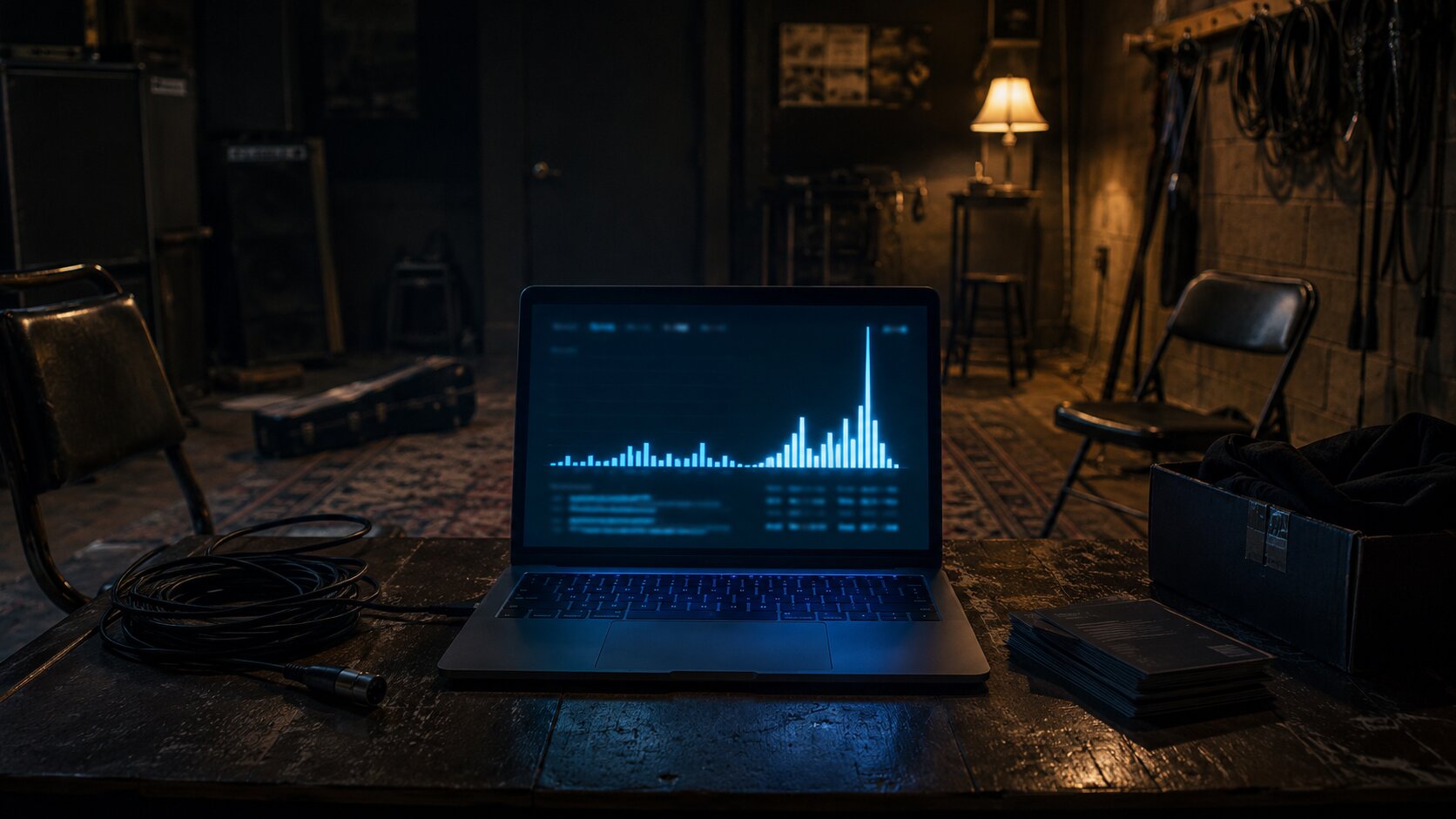
Warning signs include a sudden unexplained spike, a sharp drop after the spike, unexpected activity from locations where you have no audience, unusual stream sources, weak save rates, or sudden follower growth that disappears quickly.
If this happens, stop any risky campaign immediately. Do not keep paying while you “wait and see.” The longer suspicious activity continues, the harder it becomes to separate real audience behavior from artificial behavior.
Next, save evidence. Take screenshots of stream spikes, playlist additions, listener locations, source data, follower changes, campaign start dates, invoices, messages from promoters, and suspicious playlist URLs.
Then contact your distributor. DistroKid advises artists who receive an artificial streaming notice to be careful with paid services that add songs to playlists or promise guaranteed streams. It also notes that suspicious playlists can be reported through Spotify for Artists. (DistroKid – Artificial streaming notice from Spotify)
If the issue involves another platform, use that platform’s reporting tools where available. SoundCloud, for example, allows users to report fake activity and says its Trust and Safety Team can review accounts and remove accounts determined to be spam. (SoundCloud Help – Reporting fake activity)
What to Do Instead: Build Real Streaming Growth
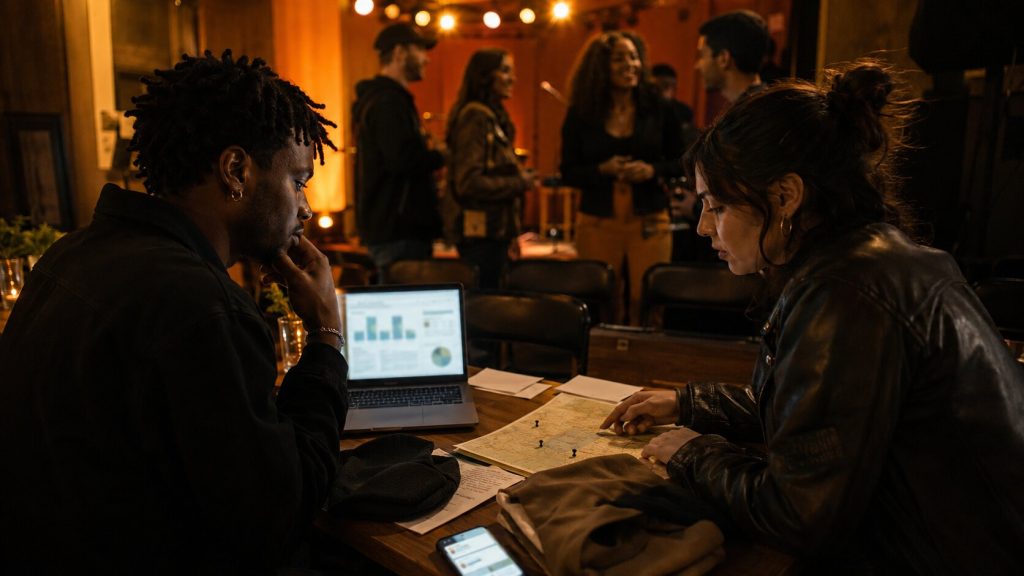
The alternative to buying streams is not simply posting once and hoping the algorithm saves the release. A safer strategy is to build a repeatable release system that creates real discovery points before, during, and after the song comes out.
Define the Audience Before Spending Money
Start by naming who the song is for. List three comparable artists, three listener communities, and three content angles. A dark R&B single, a pop-punk breakup anthem, and an Afro-house club track should not use the same campaign.
Once you know the audience, choose promotion channels based on where those listeners already spend attention. This could include short-form video, niche blogs, YouTube content, live clips, creator outreach, direct fan communities, or carefully targeted ads.
Use Ads for Discovery, Not Manipulation
Paid advertising is not the same as buying streams when it is transparent and compliant. A real ad campaign introduces your music to potential listeners. The listener still chooses whether to click, listen, save, follow, or ignore the song.
Keep the budget controlled. Test several short clips. Watch what happens after the click. Useful signals include saves, profile visits, follower growth, comments, playlist adds, repeat listening, and mailing-list signups.
Pitch Playlists Carefully
Playlisting can be useful, but it must be approached carefully. A healthy playlist opportunity usually has a clear genre fit, transparent curation, real engagement, no guaranteed streams, and no demand for payment in exchange for Spotify placement.
A playlist with a large follower count but no visible audience behavior may not be valuable. A smaller playlist with listeners who genuinely care about your genre can be more useful than a huge playlist filled with suspicious activity.
Build Fan Channels You Control
Streaming platforms are important, but you do not own the listener relationship there. Build channels where you can reach people directly: email, SMS where appropriate, Discord, Patreon, Bandcamp followers, website visitors, or a private fan community.
These channels make each release stronger. Instead of starting from zero every time, you can launch new music to people who have already chosen to hear from you.
How BlockTone Records Thinks About Sustainable Growth
For artists building a long-term release strategy, blocktonerecords.com should treat streaming numbers as only one part of a wider fan-development system. The goal is not to create a short spike that disappears when the campaign ends. The goal is to help each release produce cleaner data, stronger positioning, better content, and more direct listener relationships.
That means prioritizing ethical promotion, transparent reporting, platform-safe growth, and realistic expectations. A smaller campaign that finds real listeners is more valuable than a fake spike that puts your catalog, reputation, and distributor relationship at risk.
FAQs About Buying Streams
Is buying streams illegal?
Can Spotify detect fake streams?
Are paid playlist placements safe?
What if I did not know the promoter used bots?
How can I tell if a playlist is botted?
What should I spend money on instead of streams?
Can fake streams hurt future releases?
Sources Used
- Spotify Support – Third-party services that guarantee streams
- Spotify for Artists – Artificial streaming
- DistroKid – What is artificial streaming?
- DistroKid – Artificial streaming notice from Spotify
- TuneCore – Fees and penalties for artificial streaming
- Apple Music for Artists – Understand your analytics
- YouTube Help – Fake engagement policy
- SoundCloud Help – Reporting fake activity