Exploring Musical Similarities: Insights from Charlie Puth and Others
Recent debates on social media have reinvigorated discussions about the uniqueness and authenticity of new music tracks compared to classic hits. High-profile artists are stepping into the spotlight to shed light on the intricacies of musical composition and the inevitability of similarities between songs.
The Challenge of Originality in Music
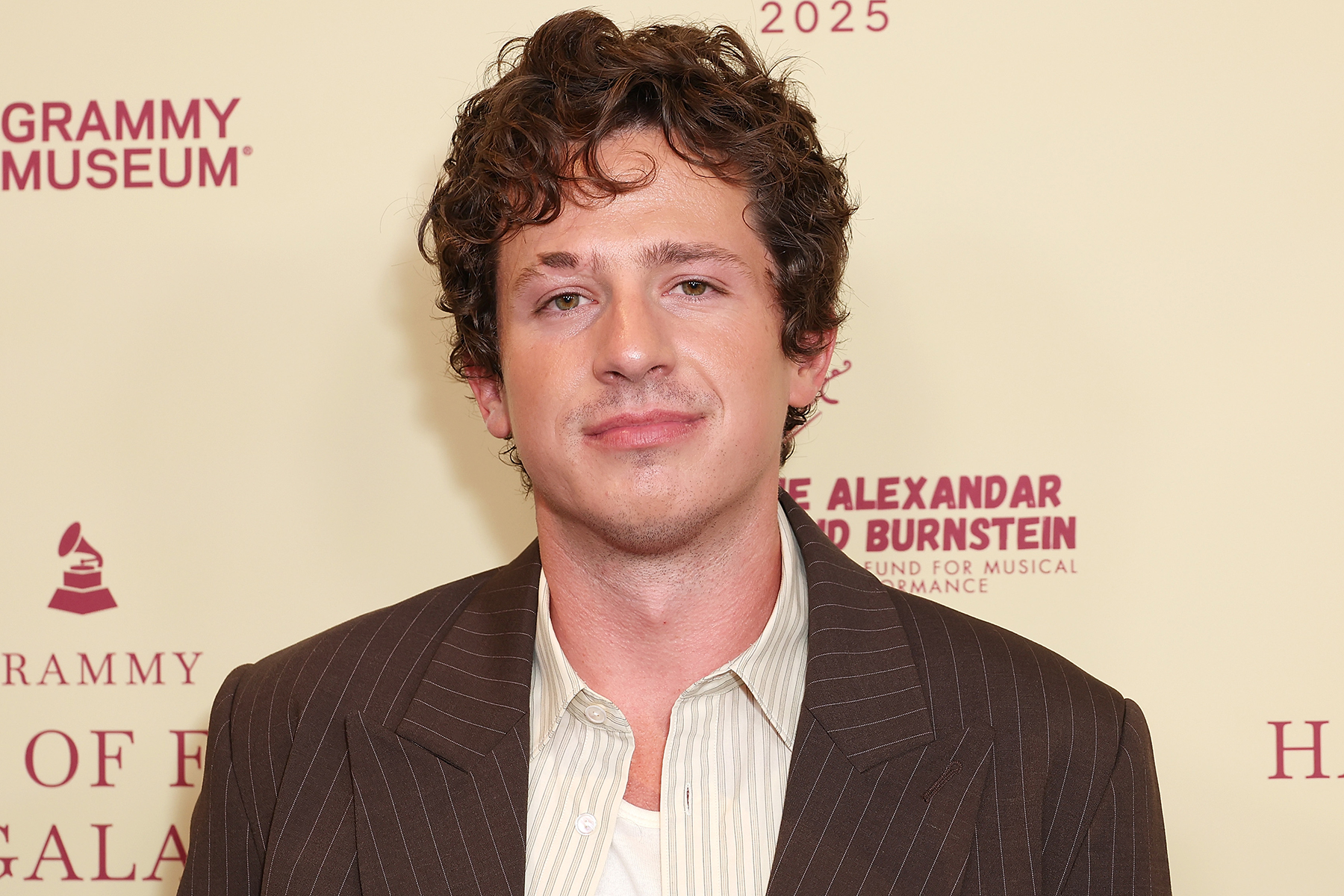
In a recent TikTok video, musician Charlie Puth discussed the unavoidable nature of similarities in music composition, emphasizing the limited number of notes available. Puth explained that with only 12 notes in a musical scale, overlaps in melody are not just possible but expected.
Interpolation vs. Sampling: A Creative Dilemma
Charlie Puth illustrated the difference between interpolation and sampling during his video. Sampling involves direct incorporation of sound snippets from existing tracks. In contrast, interpolation refers to the adoption and modification of musical elements, which can be subtle or extensive depending on the creation.
The nuanced explanation provided by Puth helps clarify why some songs may sound alike without necessarily infringing copyright. He used examples from mainstream music to show how songs might share similar notes without crossing into legal infringement.
Legal Challenges in Music Similarities
The music industry has witnessed notable legal battles over song similarities. High-profile cases, like the 2015 lawsuit involving Robin Thicke and Pharrell Williams versus Marvin Gaye’s estate over “Blurred Lines,” highlight the complexities and subjective nature of copyright laws concerning music.
Artists and producers often choose to secure interpolation licenses proactively to avoid potential legal disputes, as seen in cases with Olivia Rodrigo and Sam Smith crediting older songs to steer clear of copyright infringement claims.
Artist Perspectives on Musical Creation
Ed Sheeran and other artists have voiced concerns over the aggressive legal stance taken against songs with perceived similarities. The vast amount of music being produced today increases the likelihood of coincidental similarities, reinforcing the argument that not all resemblances in music are due to direct copying.
Charlie Puth, in his discussion, urged the music community and fans to consider these factors before judging the originality of new songs harshly.
Understanding the balance between inspiration and infringement continues to challenge artists and legal experts alike. As the music industry evolves, so too does the dialogue around these creative and legal intersections.