Bad Angel by Anyma and LISA: A Dark EDM Anthem About Power, Temptation and Self-Rule
What Is “Bad Angel” About?
“Bad Angel” is about turning an angelic image into something dangerous, glamorous, and impossible to control. Instead of using the angel symbol to represent innocence or purity, Anyma and LISA reshape it into a figure of power, temptation, rebellion, and self-possession.
The song’s core meaning is built on contradiction: LISA’s character can look divine while acting disruptive. She presents herself as beautiful but not obedient, seductive but not passive, and powerful enough to decide the terms of every interaction.
Background and Release Context
“Bad Angel” was released on April 8, 2026, as a single by Anyma and LISA. Apple Music lists the track as a Dance release with a runtime of 2:33, issued under Anyma with an exclusive license to Interscope Records. (Apple Music)
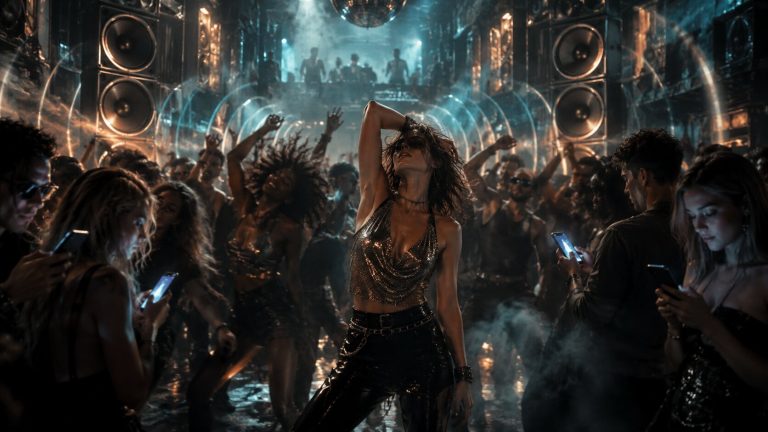
The single arrived just before Anyma’s 2026 Coachella performances and the launch of his ambitious ÆDEN live concept. Anyma’s official tour page connects the ÆDEN era with a global run of dates across cities including Shanghai, Brussels, Ibiza, London, Beirut, Gdańsk, Mexico City, Istanbul, Milan, Sydney, Mumbai, and Paris. (Anyma Official Website)
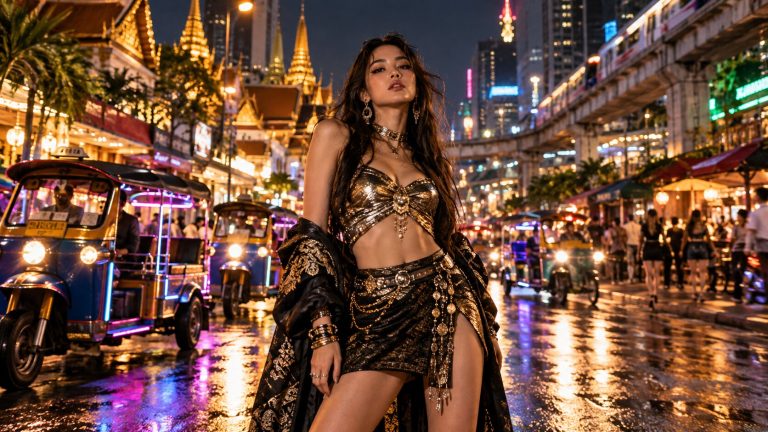
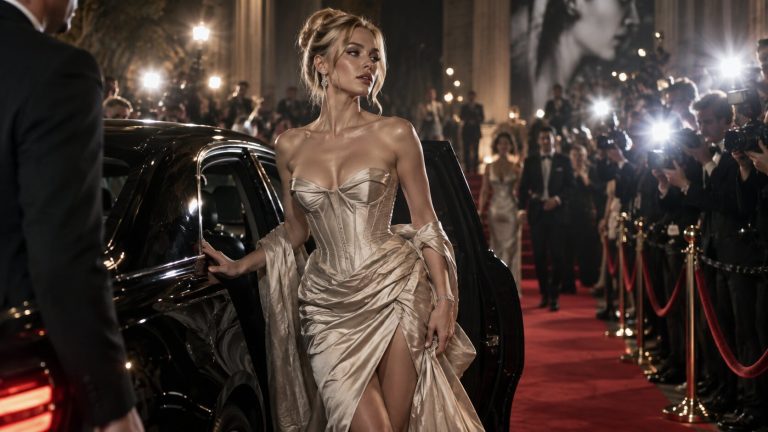
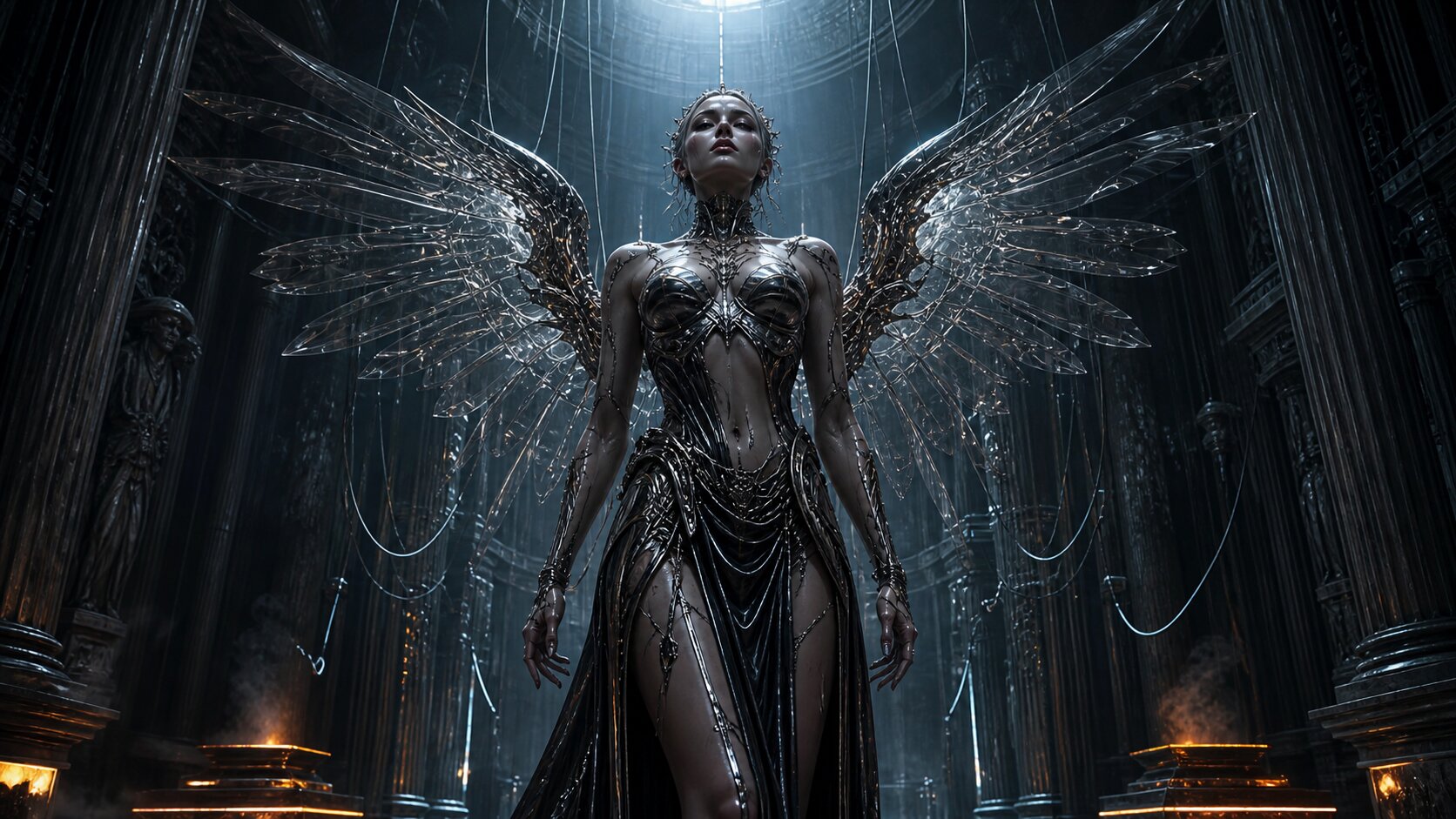
Vogue described the song and video as part of a larger futuristic world in which LISA becomes Beatrix, an alter ego who is part human, part angel, and seemingly part android. That visual framing is important because it gives the lyrics a wider mythological and cybernetic context rather than presenting the song as a simple romantic pop single. (Vogue)
In a public statement reported by DJ Mag, Anyma said the record lives between “human and digital, intimate and infinite” worlds and described LISA as his muse for the track. LISA said she had wanted to try EDM for a while and connected the energy of the song to Anyma’s immersive shows. (DJ Mag)
Public credit listings identify the writers as Matteo Milleri, LISA, BURNS, Johannes Klahr, Michael Tucker, Nija Charles, and Rogét Chahayed. Production is credited to Anyma, BURNS, BloodPop, Klahr, Andreas Wilman, and Dimitri Vangelis in available metadata and secondary credit summaries. Because full credits can vary slightly by platform display, those details should be treated as streaming-credit information rather than artist commentary.
The Meaning Behind “Bad Angel”
At its emotional center, “Bad Angel” is a song about control. LISA’s narrator is not asking to be admired, forgiven, rescued, or understood. She arrives already in command, using beauty as a weapon and desire as a stage on which she sets the rules.
The title is the key to the song’s meaning. An angel usually suggests light, moral purity, protection, and transcendence. The word “bad” pulls that image in the opposite direction, toward danger, luxury, rebellion, erotic confidence, and refusal. By combining the two, the song creates a persona who is visually angelic but emotionally untamable.
This is why the track feels less like a confession and more like a declaration. LISA is not explaining how she became a “bad angel.” She is announcing that this is what she is. The hook works almost like a brand name: short, memorable, stylish, and deliberately contradictory.
Anyma’s production strengthens that concept. The track does not place LISA inside a soft romantic arrangement. Instead, it surrounds her with sleek electronic pressure, cinematic atmosphere, and a club-ready pulse. The result is a vocal character who feels less like an everyday narrator and more like an avatar entering a digital ritual.
Lyrics Breakdown, Section by Section
Verse 1 Meaning
The first verse introduces LISA’s persona as someone who immediately controls the room. The emotional tone is not vulnerability but arrival. She knows she is being watched, and instead of shrinking under that gaze, she turns attention into a form of dominance.
This section presents glamour as power. The narrator does not describe herself in small, private terms; she builds a larger-than-life image around beauty, status, danger, and self-confidence. The point is not realism. It is persona construction.
The verse also sets up one of the song’s main tensions: people may look at her as if she is an object of desire, but she is the one controlling the exchange. The gaze does not weaken her. It becomes fuel for the character she is performing.
Pre-Chorus Meaning
The pre-chorus darkens the angel image. Attraction becomes risky, beauty becomes almost painful, and the narrator’s presence feels powerful enough to overwhelm whoever approaches her.
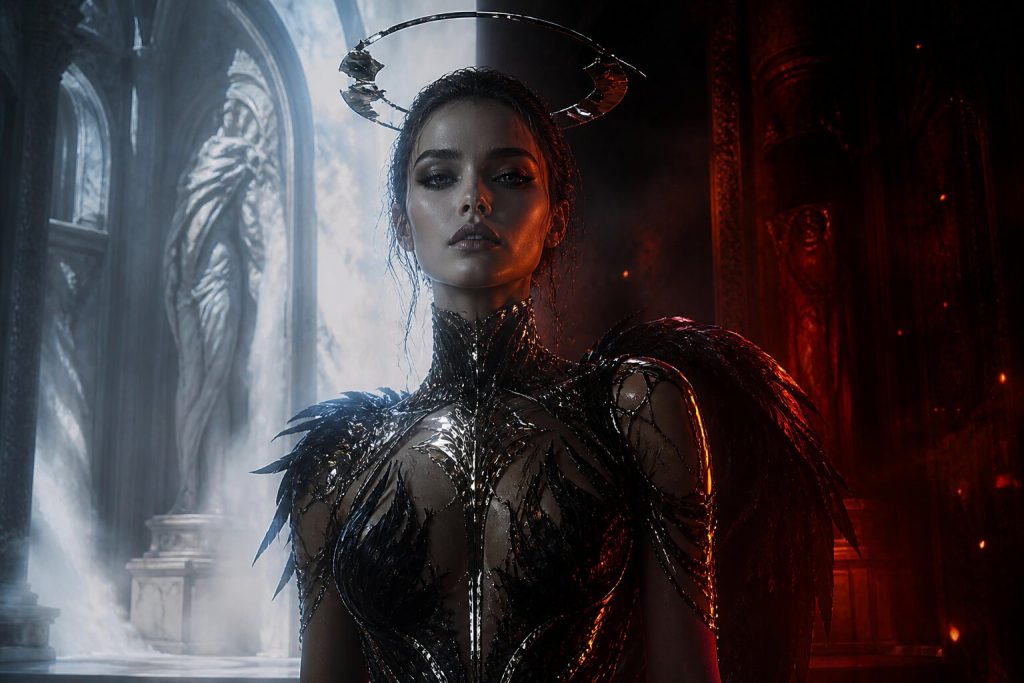
The contrast between Heaven and Hell gives this section its symbolic force. LISA’s character does not belong neatly to either side. She stands between them, suggesting that she can offer pleasure or punishment depending on how someone responds to her power.
Emotionally, this part of the song shifts from confidence to threat. The listener is no longer only admiring the narrator from a distance. They are being pulled into her orbit, where desire can become surrender.
Chorus Meaning
The chorus centers on the idea that she is “pretty bad for an angel.” That short phrase works because it compresses the entire concept of the song into one memorable contradiction.
On the surface, the chorus is playful and stylish. Underneath, it is a statement of self-rule. LISA’s character rejects the expectation that someone beautiful, feminine, or angelic should also be gentle, compliant, or easy to control.
The chorus also works like a festival chant. It is direct, repetitive, and built to feel larger than ordinary speech. Rather than giving the listener a detailed story, it gives them a symbol: the bad angel as a figure of beauty, power, temptation, and independence.
Verse 2 Meaning
The second verse expands the character through images of money, danger, mischief, and emotional risk. The narrator is not only glamorous; she is costly. Getting close to her may feel exciting, but the lyrics suggest that closeness comes with consequences.
This section connects with LISA’s broader solo image: confident, luxurious, sharp, and performance-driven. However, inside Anyma’s electronic world, those familiar pop-star flexes become more futuristic. She sounds less like a celebrity bragging in a club and more like a digital icon activating inside a mythic system.
The emotional logic of the verse is simple but effective: she can take control, create damage, and still remain irresistible. The song does not ask whether that is morally good. It presents the danger as part of the attraction.
Bridge Meaning
The bridge-like section turns the narrator from an image into a need. Desire becomes more physical and dependent, as if the person drawn to her now lives through her energy.
This is where the song’s angel symbolism becomes more complicated. Angels are often imagined as distant, protective figures. Here, the angel is addictive, intense, and almost elemental. She is not simply admired; she becomes something someone cannot breathe without.
In the context of ÆDEN, this can also be read as a digital metaphor. The character is not just a woman being desired. She feels like a presence inside a system, a figure who can possess attention, emotion, and perception.
Outro Meaning
The outro repeats the title idea until it feels like a final identity stamp. The song does not resolve into confession, regret, or explanation. It ends by leaving the character intact.
That lack of resolution is important. “Bad Angel” is not a story about why someone became dangerous. It is a performance of what that danger looks and sounds like once it has already become part of her identity.
Hidden Meanings, Metaphors, and Symbolism
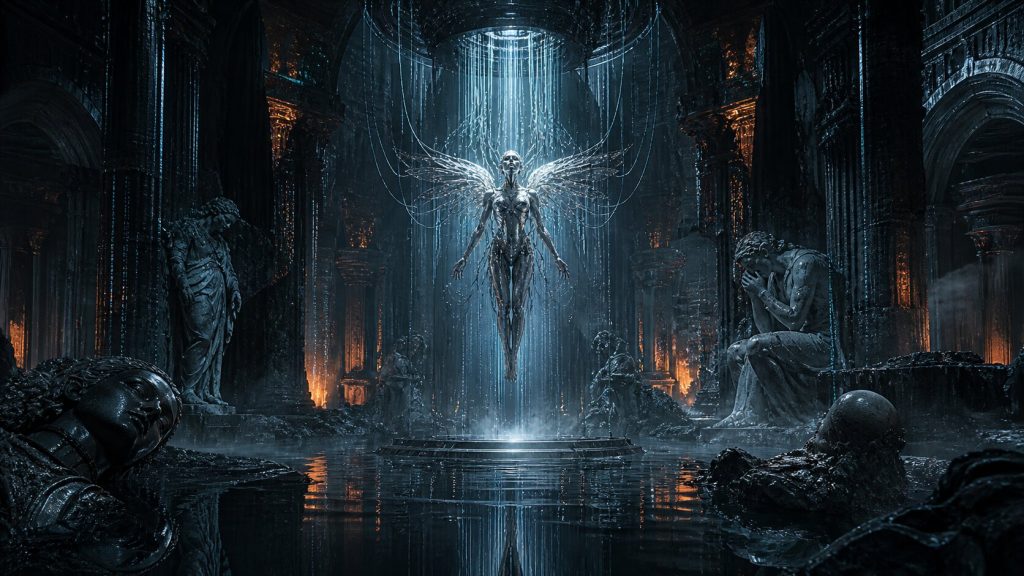
The angel is the song’s central metaphor. Traditionally, angels represent purity, guidance, beauty, protection, and divine order. “Bad Angel” distorts that familiar image by giving the angel independence, appetite, ego, and threat.
The Heaven-and-Hell contrast adds a moral charge to the song. LISA’s persona does not choose one side. She embodies both. That makes her feel unpredictable: she can be salvation, punishment, fantasy, or disaster depending on how close someone gets.
The music video strengthens this interpretation by placing LISA inside a futuristic visual mythology. Vogue’s description of Beatrix as part human, part angel, and part android suggests that the song is not only about seduction but also about transformation, artificial identity, and the merging of body, image, and technology. (Vogue)
Fire, breath, gaze, and beauty all work as symbolic tools. Fire suggests destruction and purification. Breath suggests dependency. The gaze suggests power over whoever is watching. Beauty becomes not a passive trait but an active force.
Is the Song Based on a Real Person or Event?
There is no verified evidence that “Bad Angel” is based on a specific real person, relationship, or private event. The available context points more strongly toward a conceptual song built around persona, performance, and Anyma’s ÆDEN visual universe.
The safest interpretation is that “Bad Angel” is character-driven rather than diary-driven. LISA is performing a stylized figure of beauty and danger, while Anyma’s production and visuals place that figure inside a larger world of technology, myth, and spectacle.
How This Song Fits Into Anyma and LISA’s Catalog
For Anyma, “Bad Angel” fits naturally into his interest in cinematic electronic music, immersive live visuals, and the boundary between human emotion and digital form. The ÆDEN era expands those ideas into a larger performance concept, making the song feel like both a single and a world-building piece.
The track also shows Anyma moving further into high-profile vocal collaboration. His production remains sleek and electronic, but LISA’s presence gives the song a sharper pop identity and a more immediate hook than many club-focused melodic techno tracks.
For LISA, the song extends her image as a performer who often treats confidence as theater. It connects with her established themes of glamour, self-possession, wealth, style, and dominance, but the musical setting is different. Instead of a conventional pop or hip-hop frame, she steps into a darker EDM environment.
That shift matters because LISA has publicly said she wanted to explore EDM, and “Bad Angel” gives her a track where performance, fashion, electronic production, and visual myth all operate together. It is not just a feature; it is a deliberate expansion of her sonic and visual range.
Final Thoughts
“Bad Angel” resonates because it understands the power of contradiction. It gives LISA a character who is elegant and threatening, divine and disobedient, seductive and self-governed.
The song’s most likely meaning is that beauty does not have to be gentle and power does not have to apologize. Inside Anyma’s futuristic world, the “bad angel” becomes more than a pop persona: she becomes a digital myth, an avatar of temptation, autonomy, and transformation.
FAQs About “Bad Angel”
What does “Bad Angel” mean?
Who sings “Bad Angel”?
Who wrote “Bad Angel”?
Is “Bad Angel” based on a true story?
What is the chorus of “Bad Angel” about?
What album is “Bad Angel” from?
What does the “Bad Angel” music video mean?
Sources Used
- Apple Music – Bad Angel – Single page
- Vogue – Anyma and LISA on creativity, technology, and collaborating on “Bad Angel”
- DJ Mag – Anyma and LISA share new single, “Bad Angel”
- Anyma Official Website – ÆDEN World Tour 2026
- YouTube – Anyma, LISA “Bad Angel” Official Music Video
- TIDAL – “Bad Angel” track and credit listing