

Eurovision Delays Decision on Israeli Ban After Trump Announces Gaza Peace Deal
In a significant turn of events, the Eurovision Song Contest has deferred its decision on Israel’s participation in the 2026 event. This delay follows the announcement of a groundbreaking peace deal between Israel and Hamas, brokered by President Trump, ending a two-year conflict.
The peace accord, announced on October 13, includes a ceasefire and the exchange of hostages and prisoners between the two groups. This development has led to a temporary halt in the discussions concerning Israel’s involvement in Eurovision, a popular global music competition that emphasizes non-political engagement despite the complex geopolitical affiliations of its participants.
Historically, Eurovision has been a platform for cultural expression under national banners, with entrants often using the stage to highlight broader social messages subtly. Israel has been a significant contender in Eurovision since 1973, achieving victory on four occasions and hosting the event multiple times.
Controversy and Cultural Diplomacy
The decision to potentially ban Israel from the upcoming Eurovision surfaced following widespread criticism of its military actions during the conflict with Hamas. Nations like Ireland and Spain, among others, have pushed for this ban as a form of protest, whereas countries like Germany and Austria have voiced their opposition to such a move.
The Eurovision board has now shifted this critical vote to their winter general assembly scheduled for December. This move allows for a broader discussion among the member countries of the European Broadcasting Union (EBU), ensuring that all perspectives are considered in a thorough and open dialogue.
According to The Hollywood Reporter, the controversy surrounding Israel’s participation reflects the broader tensions and the challenging balance Eurovision tries to maintain between celebrating cultural diversity and navigating political sensibilities.
Eurovision’s Political Neutrality
Despite the inherent political undertones at times, Eurovision insists on maintaining a non-political stance, focusing on unity and the celebration of music. The rules stipulate that all participating broadcasters must ensure that their acts do not politicize the event or harm its integrity. This principle has been tested various times throughout the contest’s history, reflecting the shifting political landscapes of Europe and beyond.
In light of recent developments, the conversation around Israel’s future in the Eurovision Song Contest remains nuanced, reflecting broader global political dynamics and the power of cultural events to bridge divides.
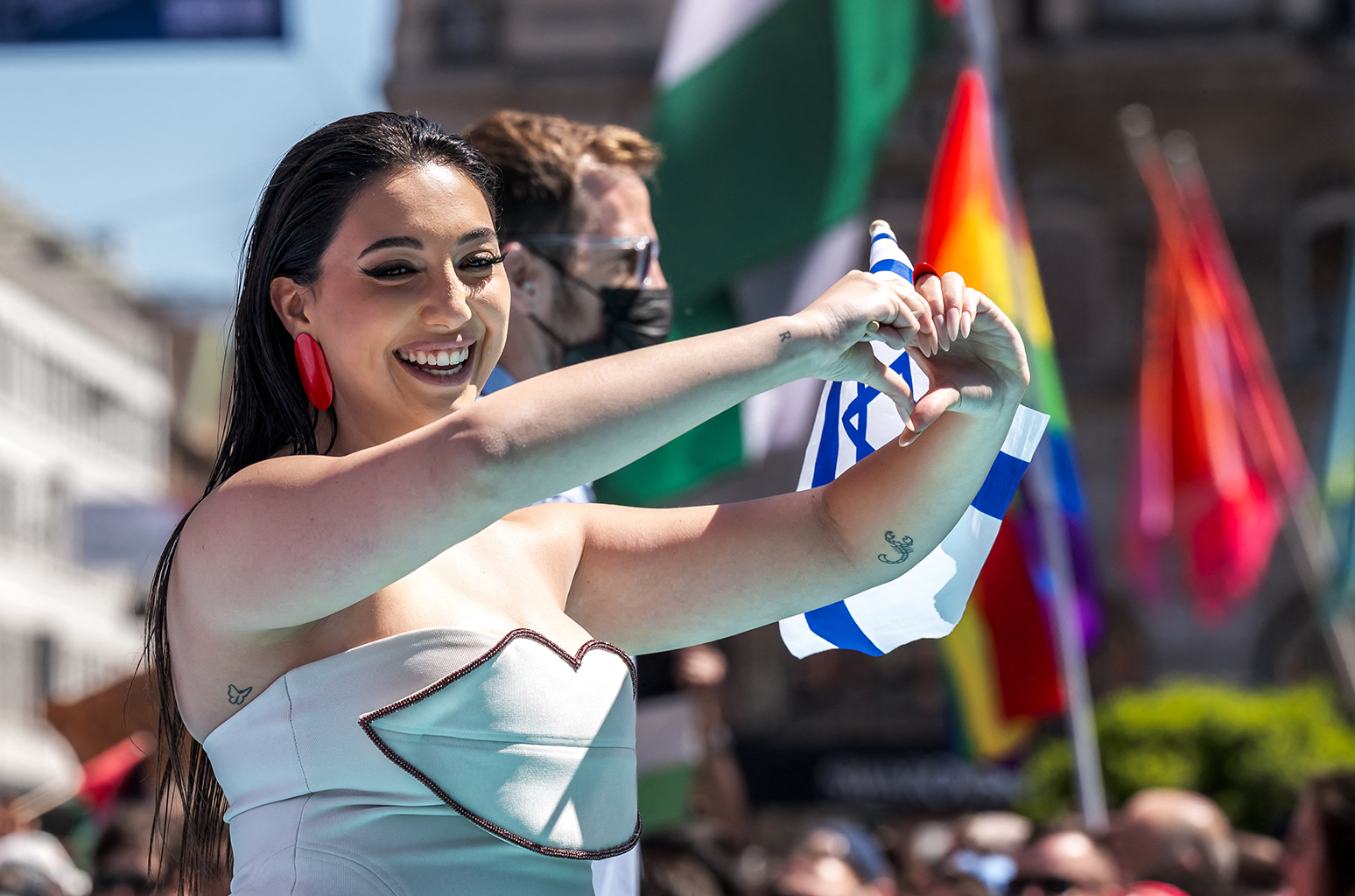
Last year’s runner-up, Yuval Raphael, notably impacted viewers with her performance of “New Day Will Rise,” an uplifting anthem that gained additional emotional depth given her personal experiences in the recent conflict.
As discussions continue and stakeholders from various nations voice their opinions, the final decision in December will be a significant moment not just for Eurovision, but for international cultural diplomacy as a whole.
The next Eurovision is set to be hosted in Vienna, Austria, promising another spectacular event filled with music, drama, and an ever-present undercurrent of political discourse.
Eurovision fans and cultural analysts alike await this decision with bated breath, as it could set a precedent for how the contest navigates complex international issues in the future.