

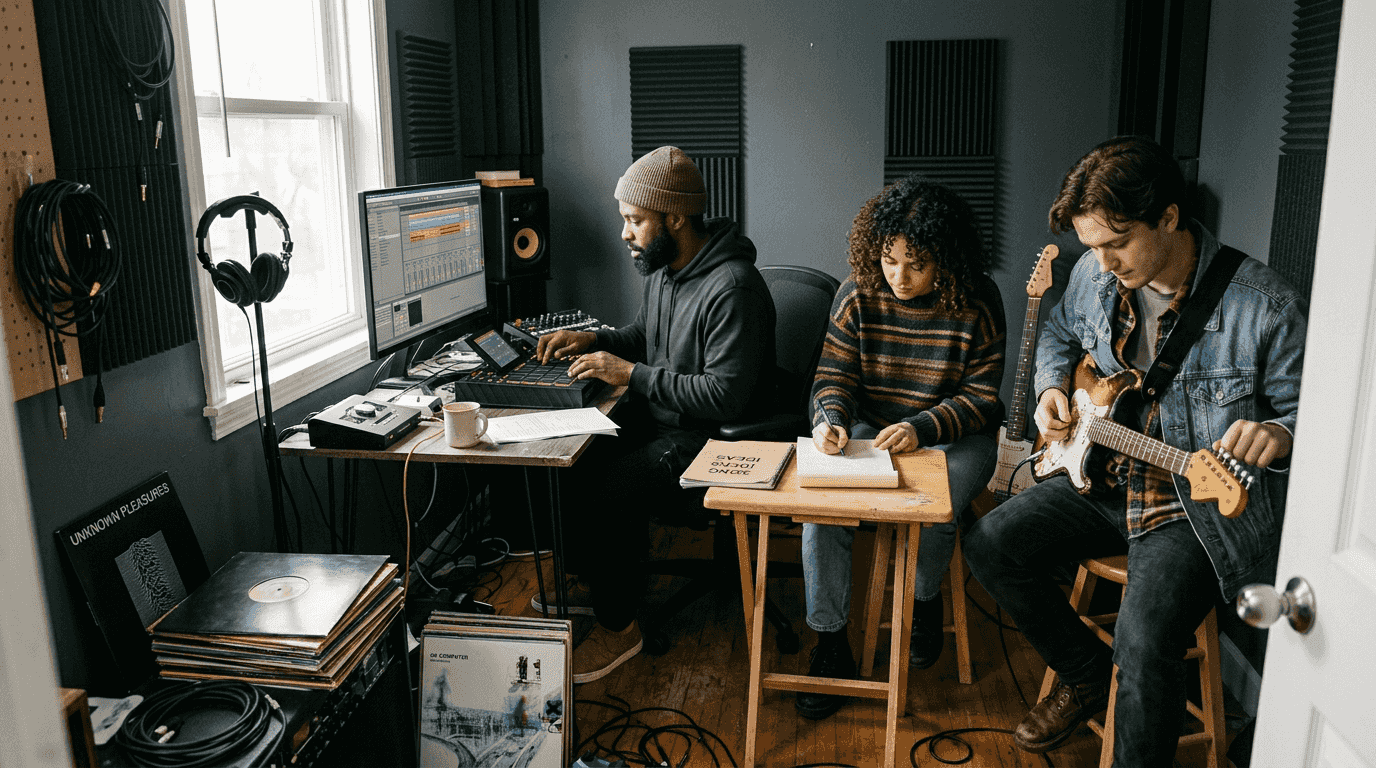
Explore 2026’s top music genres with clear examples
With thousands of music genres available, choosing the right one can feel overwhelming. Whether you’re searching for fresh sounds or defining your creative identity as an artist, this guide simplifies the decision with clear criteria and actionable examples. You’ll discover popular and emerging genres, comparison frameworks, and practical recommendations to match your listening or creative goals.
Table of Contents
- How To Choose A Music Genre To Explore Or Create
- Understanding Major Music Genres
- Exploring Emerging And Niche Genres
- Genre Comparison And Selection Criteria In Practice
- Use Cases And Situational Recommendations For Music Genres
- Discover And Create Music With BlockTone Records
- Frequently Asked Questions
Key takeaways
| Point | Details |
|---|---|
| Genre definition factors | Music genres differ mainly by tempo, instrumentation, vocal style, and cultural context. |
| Mainstream dominance | Pop and Hip-hop dominate streaming with distinct moods and recognizable production styles. |
| Emerging innovation | Genre fusion and cross-genre collaborations offer fresh creative paths for artists and fans. |
| Practical matching | Clear use cases help align genres with moods like relaxation, energy, or focused work. |
| Discovery simplification | Defined selection criteria ease genre exploration and support artistic identity formation. |
How to choose a music genre to explore or create
Selecting a music genre starts with understanding what defines each style. Mood and tempo form the foundation, dictating whether a genre feels energizing or calming. Instrumentation and vocal delivery shape the sonic identity, from guitar-driven rock to synthesizer-heavy electronic music. Cultural and historical context adds depth, revealing how genres evolved and who they resonate with most.
Matching a genre to your audience or intended use case is critical. Artists need genres that align with their creative vision and target listeners. Fans benefit from genres suited to specific activities or emotional states. Follow this stepwise approach: identify your purpose (relaxation, creativity, energy), compare key traits like tempo and instruments, evaluate cultural relevance, and consider emerging trends that blend traditional boundaries.
Pro Tip: Create a playlist sampling three to five genres you’re curious about, then note which ones align with your mood or creative direction after repeated listening.
Use these criteria throughout your exploration:
- Tempo: Does the beat per minute match your energy need?
- Instrumentation: Are you drawn to acoustic, electronic, or orchestral sounds?
- Vocal style: Do you prefer melodic singing, rhythmic rap, or instrumental focus?
- Cultural fit: Does the genre’s history or community resonate with your identity?
- Use case: Will you listen during work, workouts, or leisure?
Understanding major music genres
Major genres dominate the music landscape because they balance familiarity with broad appeal. Pop music accounts for over 60% of global consumption, driven by catchy hooks, polished production, and relatable lyrics. Artists like Taylor Swift and The Weeknd exemplify pop’s ability to cross demographic boundaries. Pop thrives on streaming platforms and offers versatility for both casual listening and background soundtracks.
Hip-hop combines rhythmic vocal flow with urban storytelling, making it ideal for listeners seeking lyrical depth and dynamic beats. The genre has experienced rapid streaming growth, particularly among younger audiences. Its production often layers samples, drum machines, and bass-heavy tracks. Jazz stands out with improvisation and complex chord progressions, creating mood-setting elegance perfect for late-night listening or intimate gatherings.
EDM (electronic dance music) powers dance floors and festivals with synthetic beats, drops, and high-energy crescendos. Producers manipulate digital sounds to craft immersive experiences that prioritize rhythm over lyrics. Classical music offers orchestral compositions with historical depth, making it a focus-friendly choice for studying or meditation. Its timeless appeal lies in intricate arrangements and emotional storytelling through instruments alone.
“Pop’s dominance reflects its adaptability, blending elements from rock, R&B, and electronic music to stay culturally relevant across generations.”
Each genre serves distinct listening needs:
- Pop: Wide accessibility, mood flexibility, streaming dominance
- Hip-hop: Lyrical storytelling, cultural commentary, rhythmic innovation
- Jazz: Sophisticated improvisation, intimate settings, instrumental mastery
- EDM: High energy, festival culture, electronic production
- Classical: Historical richness, focus enhancement, orchestral complexity
Exploring these major genres provides a foundation before diving into niche or emerging styles. For deeper discovery strategies, check out our how to discover new music guide.
Exploring emerging and niche genres
Beyond mainstream sounds, emerging genres offer innovation and cultural specificity. K-pop blends polished pop production with Korean cultural elements, creating a global phenomenon marked by synchronized choreography and visual storytelling. Latin trap fuses reggaeton rhythms with hip-hop flow, delivering bilingual tracks that dominate both Latin American and mainstream charts. These genres demonstrate how cultural identity enhances musical appeal.

Reggae’s distinctive offbeat rhythm and bass-heavy sound carry cultural resonance rooted in Jamaican history. Its laid-back tempo and socially conscious lyrics attract listeners seeking meaningful content and relaxation. Metal delivers aggressive guitar tones, rapid drumming, and intense vocals, cultivating a passionate fanbase drawn to its raw energy and technical complexity. Despite being niche, metal maintains strong community ties and live performance culture.
Genre fusion represents the fastest-growing trend, with cross-genre collaborations increasing by 25% in recent years. Artists blend rock with electronic, jazz with hip-hop, or country with pop to carve unique identities. This approach expands creative possibilities and attracts diverse listener bases. Experts recommend emerging artists explore cross-genre fusion to differentiate themselves in crowded markets.
Emerging genres worth exploring:
- K-pop: Visual storytelling, synchronized production, global fandoms
- Latin trap: Bilingual appeal, reggaeton roots, urban energy
- Reggae: Offbeat rhythms, cultural depth, relaxation focus
- Metal: Technical skill, passionate communities, live performance intensity
- Fusion styles: Genre-blending innovation, artistic flexibility, audience diversity
Niche and emerging genres provide opportunities for artists to stand out and for fans to discover fresh sounds. Platforms supporting multi-genre music artistic reach help artists navigate these evolving landscapes. Staying informed about industry trends through resources like why feature top releases keeps you ahead of shifting listener preferences.
Genre comparison and selection criteria in practice
Comparing genres with concrete data clarifies decision-making. Pop music reached 150 billion streams globally in 2025, almost doubling Rock’s 80 billion. This gap reflects pop’s mainstream accessibility versus rock’s loyal but smaller audience. Understanding these differences helps artists target appropriate listener demographics and informs fans about genre popularity trends.
Vocal styles create distinct listening experiences. Hip-hop’s rhythmic delivery emphasizes wordplay and flow over melody, engaging listeners intellectually and rhythmically. Jazz improvisation showcases spontaneous vocal or instrumental creativity, rewarding attentive listening with unpredictable moments. These contrasts matter when selecting genres for specific moods or creative expressions.
Instrumentation defines sonic character. EDM relies on synthetic beats, drops, and digital manipulation, creating futuristic soundscapes ideal for high-energy contexts. Classical music uses orchestration with strings, brass, woodwinds, and percussion, delivering rich textures suited for contemplative or formal settings. The table below compares key attributes:
| Genre | Avg Tempo (BPM) | Primary Instruments | Typical Mood | Best Use Case |
|---|---|---|---|---|
| Pop | 100-130 | Synths, guitars, drums | Upbeat, accessible | Background, casual listening |
| Hip-hop | 70-110 | Drum machines, samples, bass | Energetic, reflective | Workouts, commutes |
| Jazz | 80-140 | Piano, saxophone, bass | Sophisticated, moody | Evening relaxation, dining |
| EDM | 120-150 | Synths, drum machines | High-energy, euphoric | Parties, dancing |
| Classical | 60-120 | Orchestra, piano | Elegant, focused | Study, meditation |
Survey data reveals listener preferences vary by activity. For relaxation, 68% prefer Jazz or Classical. For energy and workouts, 72% choose EDM or Hip-hop. These insights guide genre selection aligned with lifestyle needs.
“Selecting genres isn’t about choosing the ‘best’ music, but finding sounds that match your emotional and situational needs.”
Pro Tip: Test three genres in the same use case (like studying or exercising) over a week to identify which genuinely enhances your experience versus which feels forced.
Selection tips based on goals:
- Discovery: Start with genre playlists on streaming platforms, noting what keeps your attention
- Artistic identity: Experiment with fusion, blending two genres you admire to create signature sounds
- Mood matching: Map genres to daily activities, building custom playlists for work, rest, and play
- Cultural connection: Explore genres tied to your heritage or communities you want to understand better
For personalized discovery strategies, explore our how to discover new music guide, which offers tools to refine your listening journey.
Use cases and situational recommendations for music genres
Aligning genres with activities maximizes enjoyment and productivity. EDM and Hip-hop excel during energetic workouts, with tempos that sync to physical movement and motivational lyrics that push performance. Party settings benefit from these genres’ infectious rhythms and crowd-friendly appeal. Their predictable structures make them ideal for sustained energy without demanding focused attention.
Jazz and Classical suit focus-intensive tasks like studying, writing, or deep work. Their instrumental nature minimizes lyrical distraction, while complex arrangements stimulate cognitive function without overwhelming concentration. Classical’s structured compositions provide steady background ambiance, whereas jazz’s improvisation offers subtle variety that keeps the mind engaged without pulling focus.
Country music delivers storytelling and traditional vibes, making it perfect for road trips, outdoor activities, or reflective moments. Its narrative-driven lyrics and acoustic instrumentation create emotional connections and nostalgic atmospheres. For artists seeking unique identities, cross-genre fusion opens creative possibilities by blending elements from multiple styles, attracting listeners across traditional genre boundaries.
Practical genre matching checklist:
- Workout/party: EDM, Hip-hop, Latin trap
- Study/focus: Classical, Jazz, instrumental versions
- Relaxation/meditation: Classical, Reggae, ambient electronic
- Road trips/outdoor: Country, Rock, Folk
- Creative work: Jazz, fusion genres, experimental electronic
Step-by-step genre selection for artists:
- Identify your core musical influences and emotional message
- Analyze streaming data for genres with growing listener bases in your demographic
- Experiment with production techniques from two to three complementary genres
- Test samples with target audiences through social platforms
- Refine your sound based on engagement metrics and authentic creative satisfaction
Platforms offering music discovery for artists provide data-driven insights to match your sound with receptive audiences. Combining genre knowledge with strategic distribution maximizes reach and impact. Our how to discover new music guide offers additional frameworks for both listeners and creators navigating the diverse music landscape.
Discover and create music with BlockTone Records
Now that you understand genre selection criteria and practical applications, BlockTone Records offers the tools to put this knowledge into action. Whether you’re an emerging artist exploring cross-genre fusion or a music enthusiast seeking fresh sounds, our platform supports diverse genres and connects creators with engaged communities.
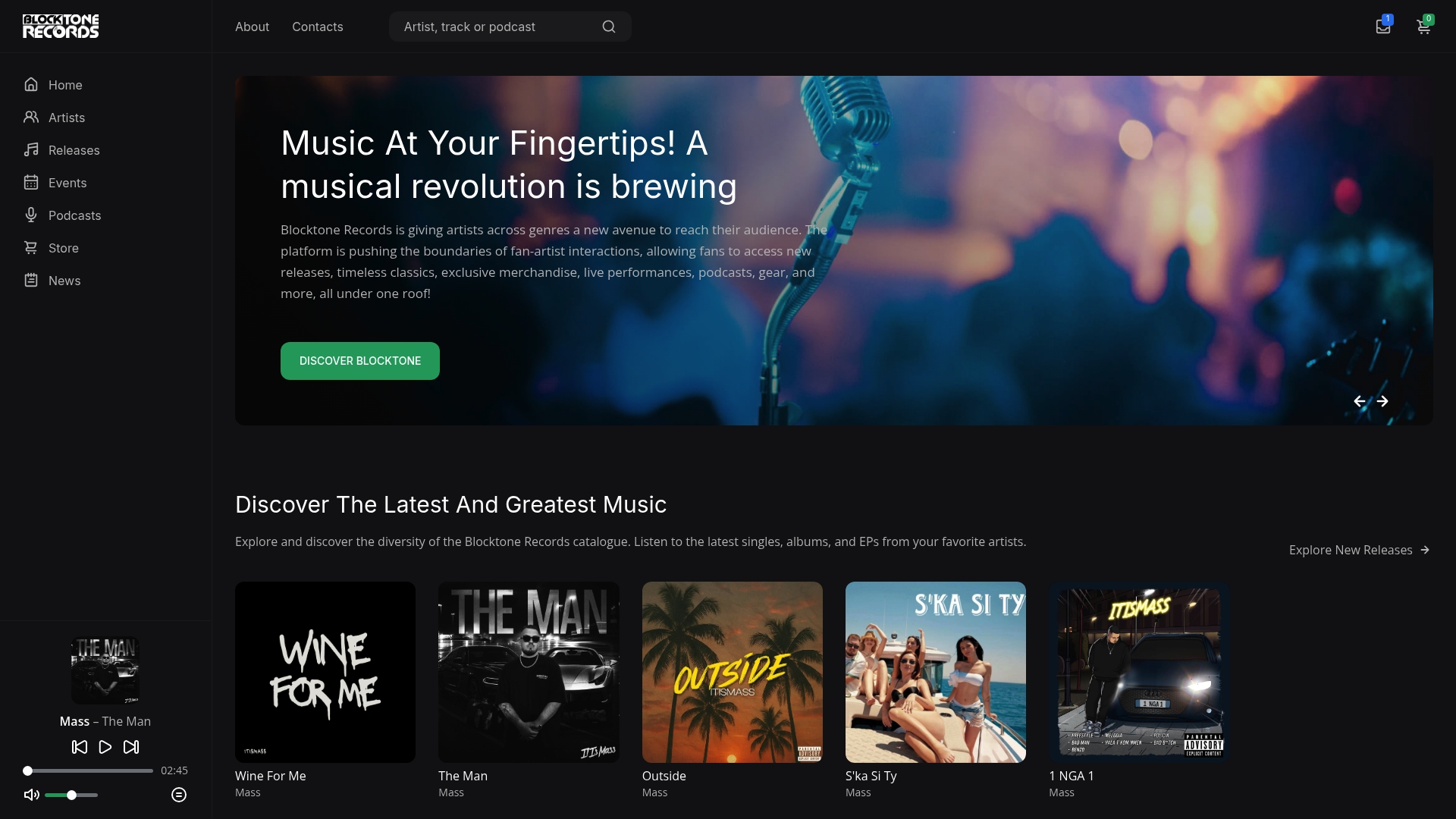
Explore how music discovery for artists can elevate your creative journey with data-driven insights and distribution channels tailored to your sound. Learn how multi-genre music artistic reach expands your audience by embracing innovative fusion approaches that define 2026’s music landscape.
Frequently asked questions
What are the main factors that define a music genre?
Genres are defined primarily by tempo, instrumentation, vocal style, cultural context, and typical use cases. Tempo determines energy level, instrumentation shapes sonic character, and cultural context provides historical meaning. Vocal delivery ranges from melodic singing to rhythmic rap to purely instrumental expression, while use cases align genres with specific activities or emotional needs.
How can emerging artists choose the right genre for their music?
Consider your creative vision, audience preferences, and willingness to experiment with cross-genre fusion to stand out. Research streaming trends to identify growing listener bases, then test production techniques from complementary genres. Platforms supporting multi-genre music artistic reach provide data and tools to connect your sound with receptive communities, helping you refine your artistic identity through audience feedback.
What are some examples of emerging music genres gaining popularity in 2026?
K-pop, Latin trap, and cross-genre fusion stand out as growing trends shaping music’s evolution today. Cross-genre collaborations grew by 25% from 2023 to 2025 in top chart hits. Reggae and Metal maintain strong niche communities with expanding influence, particularly through live performances and dedicated streaming channels that cultivate passionate fanbases.
How do genre fusion and cross-genre collaborations impact artist identity?
Fusion enables artists to blend influences, innovate sounds, and attract diverse listeners, enhancing distinctiveness. Experts recommend emerging artists explore cross-genre fusion to create unique identities that stand out in crowded markets. Cross-genre work broadens artistic flexibility and market appeal by combining the strengths of multiple styles, allowing creators to reach audiences who might not engage with traditional single-genre content. Platforms like multi-genre music artistic reach support this innovative approach.
Which genres are best suited for relaxation vs energetic activities?
For relaxation and focus, Jazz and Classical excel with their complex yet non-distracting instrumental arrangements. For energy-boosting workouts or parties, EDM and Hip-hop are ideal choices, offering high tempos and motivational rhythms that sync with physical activity. Our how to discover new music guide provides additional strategies for matching genres to specific moods and activities throughout your day.