
How Often Should Independent Artists Release Music
For most independent artists, the best release schedule is not “as often as possible.” A strong practical starting point is to release music every four to eight weeks, but only when each release has enough planning, promotion, and follow-up behind it.
A monthly single can work well for artists with finished music, consistent content, and a clear audience-building system. Newer artists, slower-moving artists, or artists working with limited time may get better results from releasing every six to twelve weeks instead.
The real question is not only how often you should release music. It is how often you can release music well.
Why Release Frequency Matters for Independent Artists
Independent artists are working in a music environment where new songs arrive constantly. Streaming has made distribution easier, but attention is harder to earn. IFPI reported that streaming represented 69.6% of global recorded music revenue in 2025, which shows how central digital listening has become to the music economy. (IFPI Global Music Report 2026)
That does not mean artists should rush songs onto platforms every week. A release is not just a file delivered to Spotify, Apple Music, YouTube Music, or other services. It is a marketing moment. It gives fans a reason to pay attention, gives algorithms new activity to read, and gives the artist a chance to learn what connects.
If releases are too far apart, momentum can disappear. If releases are too frequent, each song may receive too little attention. The strongest release rhythm sits between those two extremes.
The Best Default Schedule: Every Four to Eight Weeks
For many independent artists, releasing one song every four to eight weeks is the most realistic cadence. This gives each single enough space for pre-release promotion, release-week activity, and post-release content without forcing the artist into constant pressure.
A four-week schedule is best for artists who already have a finished backlog, reliable artwork, short-form video ideas, and a repeatable promotional process. A six-to-eight-week schedule is better for artists who are still building their content routine, audience, or team.
Releasing every eight to twelve weeks can also be a smart choice when the music needs deeper storytelling, higher-quality visuals, press outreach, live performance support, or collaboration coordination. Slower does not automatically mean weaker. A slower release schedule can work well when each song receives stronger execution.
Choose Your Release Cadence Based on Career Stage
A new artist should not use the same release strategy as an established independent artist with loyal fans. Your catalog size, audience activity, and promotional capacity all affect how often you should release music.
New artists should build a visible catalog
If you only have one or two songs out, your first goal is to give listeners enough music to understand your sound. Releasing a single every six to eight weeks can help you build a small but meaningful catalog without overwhelming yourself.
At this stage, singles are usually more useful than albums. Each single gives you another reason to post, pitch, email, collaborate, and test what listeners respond to. A full album can be valuable later, but many new artists lose opportunities by releasing too many songs before they have enough audience attention.
Growing artists should connect releases into a story
If you already have regular listeners, playlist activity, social engagement, or live-show interest, a four-to-six-week release rhythm may work well. The important part is to connect the songs into a larger arc.
Instead of treating every song like a separate experiment, build a season around your releases. You might connect three singles through similar artwork, a shared visual theme, a short-form video series, or an EP rollout. This helps listeners feel that something bigger is happening.
Established independent artists can create bigger moments
Artists with loyal fanbases may not need to release as often. For them, an EP, album, deluxe edition, remix, acoustic version, live session, or direct-to-fan campaign may create more impact than another quick single.
The more engaged your fanbase becomes, the more important depth becomes. Frequent releases still matter, but they should support the artist’s world rather than simply fill the calendar.
Do Not Release Faster Than You Can Promote
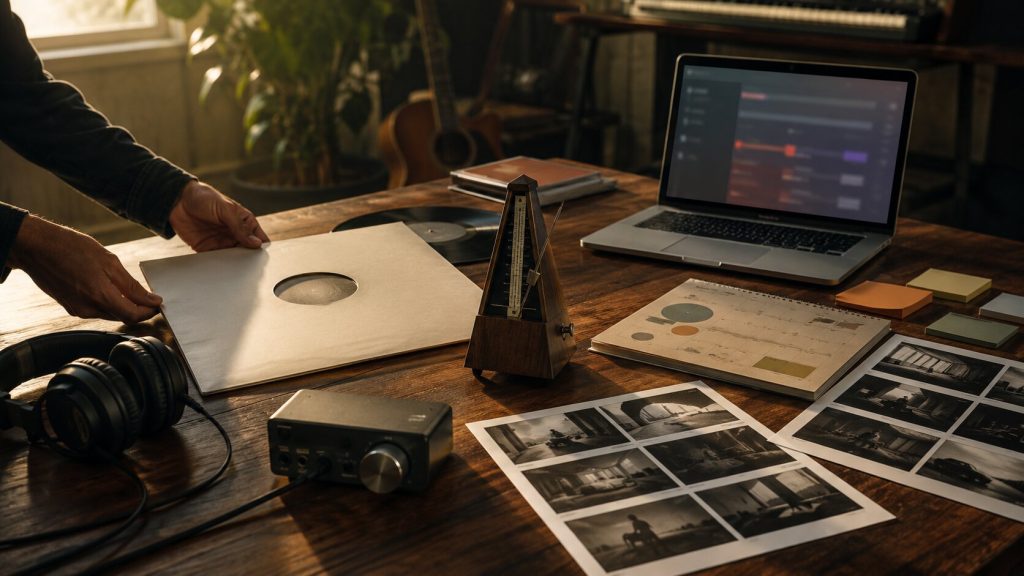
A release schedule only works if you can support it. Before choosing a monthly or bi-monthly cadence, ask whether each release can receive proper preparation.
- Is the master finished and approved?
- Is the cover art ready?
- Has the song been delivered to your distributor early enough?
- Do you have a Spotify pitch prepared?
- Do you have short-form video ideas?
- Do you have a plan for release-week posts?
- Do you have a post-release content plan?
- Do you know what audience signal you want to measure?
Spotify says artists can pitch one unreleased song at a time through Spotify for Artists, and the track must be delivered at least seven days before release to be considered for editorial playlist pitching. Once the song is live, it is no longer eligible for that pitch. (Spotify for Artists – Pitching Music to Playlist Editors)
This is why releasing too quickly can hurt your strategy. If songs are arriving before you have time to pitch, promote, and analyze them, the release schedule is moving faster than the campaign.
Singles, EPs, and Albums Need Different Release Timelines
Not every format should follow the same timing. A single, an EP, and an album each play a different role in an independent artist’s growth.
Singles are best for consistency and discovery
Singles are usually the strongest format for independent artists who want to build momentum. They are easier to promote, easier to explain, and easier to test. Each single gives you one clear message: one hook, one mood, one visual direction, and one call to action.
A single every four to eight weeks can create regular discovery moments while keeping the workload manageable. This is especially useful for artists who are still learning which songs, visuals, and stories attract the strongest response.
EPs are best for shaping identity
An EP works well when several songs belong to the same creative world. Instead of releasing five tracks at once with no buildup, many artists should release one or two singles first, then use the EP as the larger statement.
This gives listeners a way into the project before the full release arrives. It also gives the artist multiple chances to promote the same creative era.
Albums need longer runway
Albums still matter, especially for artists with a concept, live audience, physical product, or dedicated fanbase. However, releasing a full album too early can bury strong songs that might have worked better as individual singles.
Apple Music pre-adds allow fans to add an upcoming release to their library before it becomes available, and Apple notes that independent artists should work with their distributor to meet pre-add requirements. (Apple Music for Artists – Pre-adds)
Spotify Countdown Pages can also support larger release campaigns. Spotify says fans can pre-save from Countdown Pages, receive a notification when the release goes live, and have the music added to their library. (Spotify for Artists – Countdown Pages)
Three Practical Release Schedules Independent Artists Can Use
The right schedule depends on your goals, catalog, and workload. These three models give independent artists realistic starting points.
The steady singles plan
This model works well for new and growing artists. Release one single every six to eight weeks, aiming for six to eight singles across the year. This keeps you active without forcing every month into a rushed campaign.
A simple version could look like this: one single in January, another in March, another in April or May, another in June, another in August, another in October, and a bonus release, acoustic version, remix, or live version near the end of the year.
The EP arc
This model works for artists with a cohesive batch of songs. Release a lead single, then a second single four to six weeks later, then the EP four to eight weeks after that.
This creates a stronger sense of movement than dropping an EP with no setup. Fans get multiple entry points, and the artist gets more than one chance to tell the story behind the project.
The album runway
This model is best for artists with an established audience or a strong concept. Release three or four singles before the album, beginning several months ahead of the full project.
After the album arrives, continue the campaign with live sessions, videos, behind-the-scenes clips, interviews, remixes, or tour-related content. The album release should be the center of the campaign, not the end of it.
Platform Lead Times Should Shape Your Calendar
Independent artists should avoid uploading music at the last possible moment. Distributor and platform processing times can vary, and late delivery may limit playlist pitching, pre-save setup, profile preparation, and promotional planning.
DistroKid says releases can take several days to be reviewed, approved, and sent to streaming services, with timing varying by platform. (DistroKid Help Center – Music Availability Timing)
TuneCore says its review process generally takes about two business days before delivery to stores, but it recommends distributing music more than three weeks before a required release date. (TuneCore Help Center – Store Delivery Timing)
CD Baby recommends allowing enough lead time for inspection, processing, and delivery, especially when setting up pre-orders. (CD Baby Help Center – Release Date and Distribution Timing)
A safe workflow is to finish the master and artwork five to six weeks before release, upload to the distributor around four weeks before release, confirm delivery, pitch eligible platforms, then begin public promotion two to three weeks before the release date.
What to Measure Before Releasing the Next Song

Do not judge a release only by first-day streams. Early activity matters, but it does not tell the full story. Independent artists should measure whether the song created real audience behavior.
- Saves: Are listeners keeping the song for later?
- Repeat listens: Are people coming back?
- Playlist adds: Are listeners putting the song into their own routines?
- Comments and messages: Is the song creating emotional response?
- Short-form video performance: Is there a hook, lyric, or moment people want to reuse?
- Email or text signups: Are casual listeners becoming reachable fans?
- Ticket or merch clicks: Is interest turning into deeper support?
TikTok launched TikTok for Artists globally in 2025, giving artists access to data around songs, posts, followers, creator engagement, and performance insights. This kind of data can help artists understand which content is actually supporting a release. (TikTok Newsroom – TikTok for Artists)
YouTube also encourages artists to think across pre-release, release-day, and post-release activity rather than treating a song or video as a one-day event. (YouTube for Artists)
The next release should be shaped by what the last one taught you. If fans responded to the story behind the song, lead with storytelling next time. If a chorus clip performed best, build more content around that moment. If a specific city or country showed unusual activity, consider local targeting, press, shows, or collaborations.
Common Release Frequency Mistakes to Avoid
The first mistake is releasing music only because it is finished. A finished master is not the same as a finished campaign. If the artwork, pitch, short-form content, and messaging are not ready, the song may be better served by a later date.
The second mistake is waiting too long between releases with no audience activity in between. If you disappear for a year, fans may not be ready when the next song arrives. Even if you are not releasing monthly, you still need regular communication through live clips, demos, behind-the-scenes posts, newsletters, or community updates.
The third mistake is dropping too many songs at once before you have enough attention. For many new artists, a ten-song album gives listeners less focus than a sequence of singles. Releasing songs one at a time often creates more opportunities to learn and promote.
The fourth mistake is copying another artist’s schedule without understanding their resources. A weekly or monthly release plan may work for someone with a producer, editor, manager, designer, and content system. It may not work for an artist doing everything alone.
A Simple Rule for Deciding When to Release Again
Release again when three things are true: the next song is ready, the campaign is ready, and the previous release has produced enough insight to guide the next move.
If only the song is ready, wait. If only the marketing plan is ready, finish the music properly. If the last release still has active momentum, consider extending the campaign before moving on.
For most independent artists, a four-to-eight-week cadence is the best starting point. From there, adjust based on your actual capacity and audience response. The goal is not constant output. The goal is consistent growth.
Plan Your Next Release With BlockTone Records
A strong release schedule is easier to maintain when you have a repeatable system. BlockTone Records helps independent artists think beyond simply uploading songs by connecting release timing, promotion strategy, audience development, and long-term positioning.
If you are planning your next single, EP, or album cycle, use blocktonerecords.com as a resource for building a smarter campaign around the music, not just choosing a date on the calendar.
FAQs About How Often Independent Artists Should Release Music
How often should a new independent artist release music?
Is releasing a song every month too much?
Should independent artists release singles or albums first?
How far in advance should I upload my music?
How long should I promote a song after release?
Can releasing too much music hurt an artist?
What is the best day to release music?
Sources Used
- IFPI – Global Music Report 2026
- Spotify for Artists – Pitching Music to Playlist Editors
- Spotify for Artists – Countdown Pages
- Apple Music for Artists – Pre-adds
- YouTube for Artists
- TikTok Newsroom – TikTok for Artists Launch
- DistroKid Help Center – Music Availability Timing
- TuneCore Help Center – Store Delivery Timing
- CD Baby Help Center – Release Date and Distribution Timing