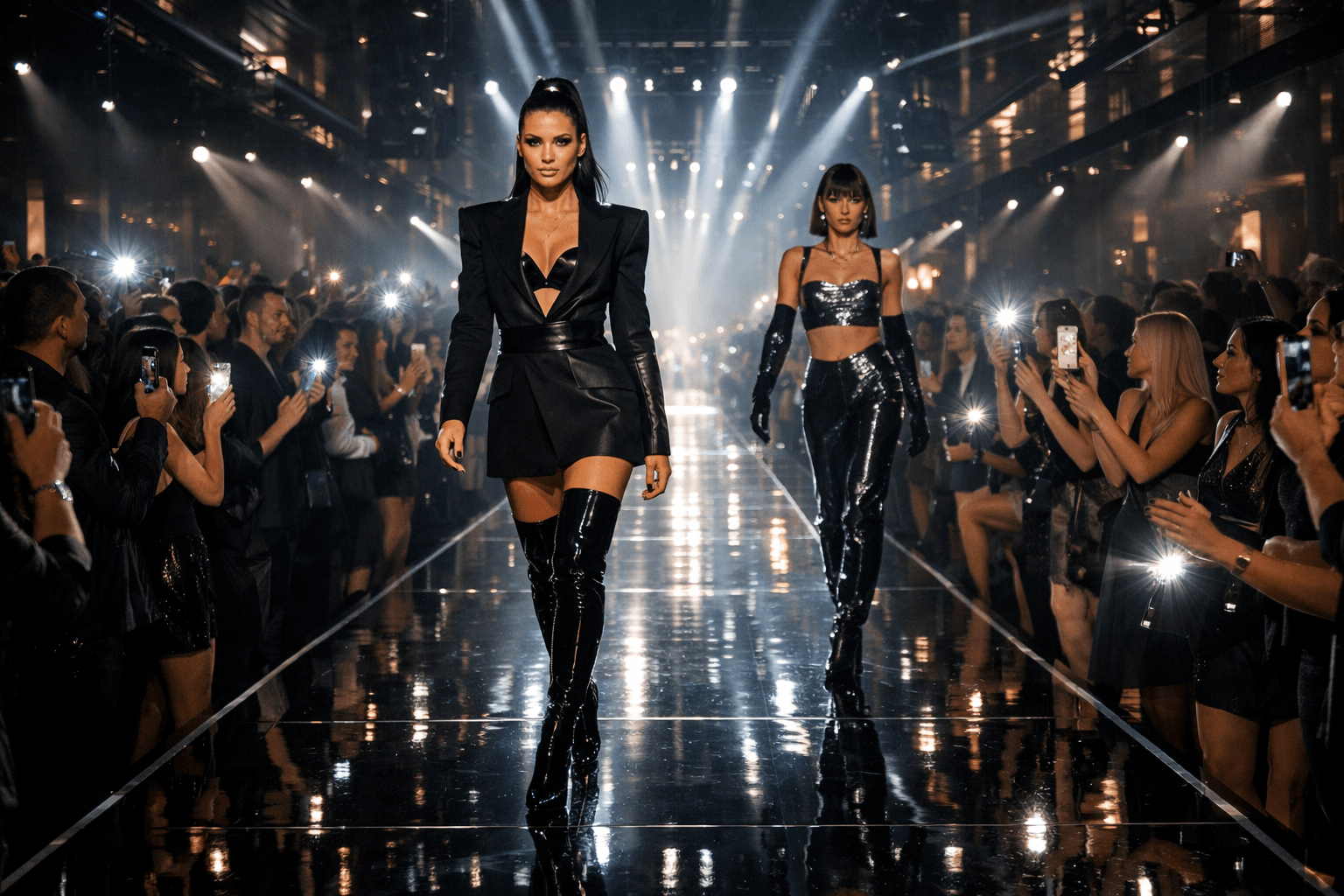
Lady Gaga and Doechii’s “Runway” Turns Confidence Into Performance
What Is “Runway” About?
Lady Gaga and Doechii’s “Runway” is a confidence anthem that turns fashion imagery into a larger statement about self-definition, visibility, and control. The song uses the idea of a runway not just as a glamorous setting, but as a metaphor for any space where a person chooses to be seen on their own terms.
That is why the track feels bigger than a movie tie-in. On the surface, it fits the fashion-world energy of The Devil Wears Prada 2, but underneath that glossy style, it is really about walking into attention without apologizing for it. (People – “Lady Gaga and Doechii Team Up for ‘Runway’”)
Background and Release Context
“Runway” was previewed in the final trailer for The Devil Wears Prada 2, where 20th Century Studios introduced it as an original song performed by Lady Gaga and Doechii. That immediately positioned the track inside the sequel’s fashion-media universe and made the title feel doubly meaningful, since Runway is also the name of the fictional magazine at the center of the story. (20th Century Studios – official press release)
Apple Music lists the single as a one-song release dated April 10, 2026, with a runtime of 2:51. The release is credited to Lil Monsters, LLC and Top Dawg Entertainment, LLC, under exclusive license to Interscope Records and Capitol Records. (Apple Music – RUNWAY – Single)
Credits published by Shazam list the songwriters as Bruno Mars, Andrew Watt, D’Mile, Jayda Love, Jaylah Hickmon, Stefani Joanne Angelina Germanotta, and Henry Russell Walter. The production credits include Bruno Mars, Andrew Watt, Cirkut, and D’Mile. (Shazam – “Runway” credits)
Early commercial signs were strong. Official Charts reported that “Runway” was on course for the highest new entry on the UK singles chart during its release week, showing that the collaboration connected quickly beyond the film campaign. (Official Charts – early chart update for “Runway”)
The Meaning Behind “Runway”
The core meaning of “Runway” is empowerment through performance. Gaga and Doechii are not pretending that public life is easy or gentle; instead, they turn performance, fashion, and attitude into tools of self-possession. The song suggests that confidence is not something people wait to feel naturally. It is something they step into, repeat, and embody until it becomes real.
That idea is what makes the song more interesting than a standard “look at me” pop track. “Runway” understands that being seen can feel risky, especially in spaces where people judge appearance, status, and image. Rather than resisting that tension, the song transforms it. The spotlight becomes a place of authorship, not exposure.
There is also a subtle tension between spectacle and identity. A runway is built for display, but the song treats display as a form of control. Gaga and Doechii do not frame style as something shallow. They treat it as a public language: how you move, how you present yourself, and how you force the room to read you on your own terms.
Lyrics Breakdown, Section by Section
Verse 1 Meaning
The opening section establishes the song’s emotional posture immediately. Gaga enters with a tone of self-assurance that is playful but also defensive in a strategic way. She sounds as if she already knows judgment is coming and has decided that it does not matter.
That first verse works because it combines glamour with resistance. The mood is stylish and polished, but beneath that polish is a refusal to shrink. Instead of asking to be accepted, the narrator announces herself as already complete.
Pre-Chorus Meaning
There is not a long, reflective pre-chorus in the traditional sense. The song moves quickly into its central hook, which creates a feeling of momentum rather than hesitation. That structural choice reinforces the meaning: “Runway” is not about second-guessing, it is about stepping forward before doubt can slow you down.
The speed of that transition matters emotionally. It makes the song feel instinctive, almost like confidence is being performed in real time rather than slowly explained to the listener.
Chorus Meaning
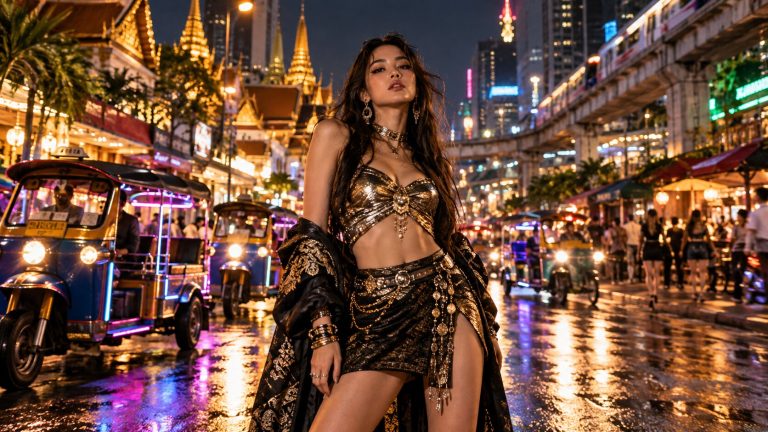
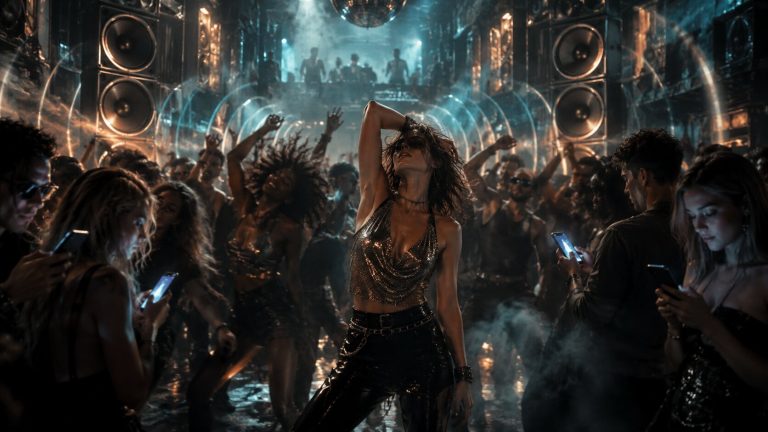
The chorus contains the song’s clearest metaphor: turning a dance floor into a runway. This is the moment where fashion language opens into something larger. A dance floor is communal, messy, and alive; a runway is elevated, curated, and watched. By collapsing the two, the song says that glamour is not limited to elite spaces. Confidence can transform any room.
The hook also widens the song’s appeal. Even though the imagery comes from couture, cameras, and public pose culture, the message is familiar: carry yourself like you belong, and the room starts responding differently. In that sense, the chorus is less about literal fashion than about self-permission. (People – lyrical overview of “Runway”)
Verse 2 Meaning
Doechii’s verse sharpens the song. Where Gaga’s opening feels like self-assertion, Doechii’s section feels like command. She expands the runway metaphor into something more territorial, as if visibility itself can be used strategically.
That shift gives the duet real balance. Gaga brings theatrical confidence, while Doechii adds edge, bite, and competitive force. The result is not just a glamorous anthem, but one that understands the politics of attention. It is not enough to be seen; the song wants to decide how that visibility works.
Bridge Meaning
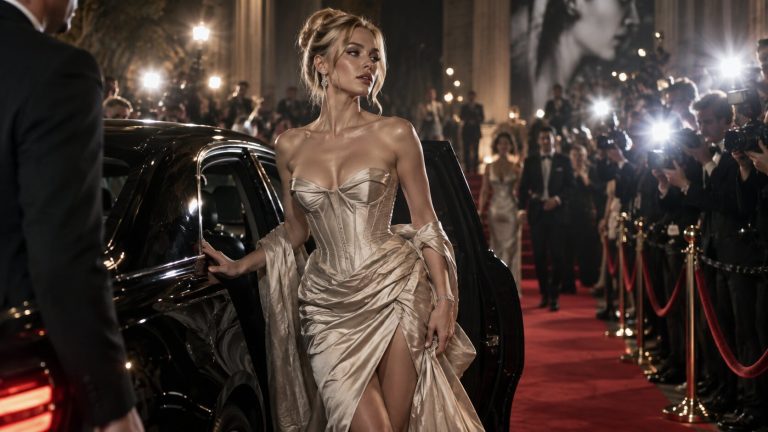
The bridge leans fully into cameras, posing, and the pleasure of being looked at. This could have felt superficial in a weaker song, but here it works because it is self-aware. Gaga and Doechii understand the theatricality of the world they are invoking, and they use that excess intentionally.
This is where “Runway” starts sounding almost mythic. The song suggests that some people are not merely surviving attention; they were built for it. That line of thought turns self-confidence into destiny, which is exactly the kind of enlarged pop fantasy the track wants to deliver.
Outro Meaning
By the end, the song narrows its message into repetition and affirmation. The effect is almost mantra-like. The listener is left with the idea that confidence is not borrowed from clothes, cameras, or applause. Those things magnify it, but they do not create it.
That closing move is what keeps “Runway” from feeling disposable. Beneath the fashion-camp energy, the song lands on a simple claim: the most powerful entrance starts with self-belief.
Hidden Meanings, Metaphors, and Symbolism
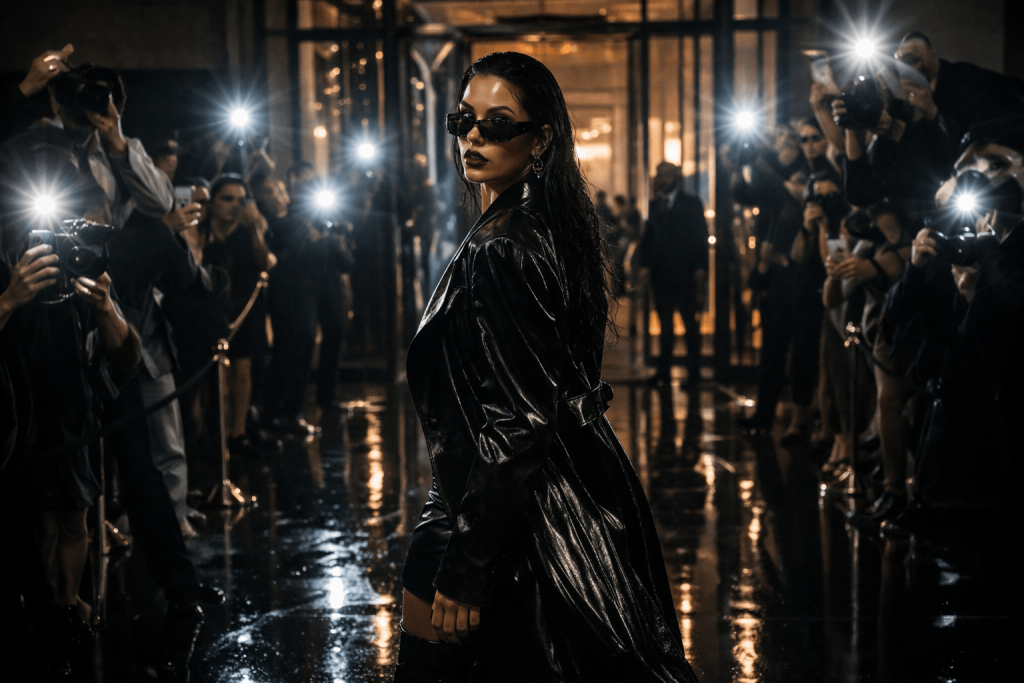
The runway is the song’s central symbol, but it works on more than one level. It is a literal fashion reference, a direct link to The Devil Wears Prada, a public stage, and a metaphor for exposure under judgment. A runway is glamorous, but it is also a place where every detail is evaluated. By claiming it, the song turns scrutiny into power. (20th Century Studios – official press release)
The dance floor is just as important symbolically. It represents the everyday version of the runway: less elite, more social, but still full of eyes, performance, and risk. When the song says the dance floor can become a runway, it democratizes glamour. You do not need access to the fashion industry to become the center of a room.
Cameras also carry a double meaning. They can symbolize pressure, surveillance, or objectification, but “Runway” flips that logic. Here, the camera becomes proof of presence. To pose without fear is to reject shame and choose visibility on purpose.
Is the Song Based on a Real Person or Event?
There is no verified evidence that “Runway” is about one specific real person. The confirmed context is its connection to The Devil Wears Prada 2 and the use of the fictional Runway magazine as a thematic anchor. (20th Century Studios – official press release)
The most reasonable interpretation is that this is a concept-driven song rather than a personal confession. It may reflect both artists’ broader relationship to fame, image, and self-invention, but that remains interpretation, not confirmed fact.
How This Song Fits Into Lady Gaga and Doechii’s Catalogs
For Lady Gaga, “Runway” fits neatly into the side of her catalog that treats fashion, performance, and public image as serious artistic material. She has long used theatricality not as decoration, but as a way of talking about identity, power, and reinvention. This song continues that tradition in a lighter, soundtrack-friendly form.
For Doechii, the collaboration feels equally natural. Her music often turns persona into something flexible, intelligent, and confrontational. On “Runway,” she does not simply guest on Gaga’s idea. She intensifies it, making the track feel more controlled, more dangerous, and more dynamic.
Together, they make a song that treats confidence as choreography. That is why the collaboration works: both artists understand how style can function as meaning, not just appearance.
Final Thoughts
“Runway” works best as a song about converting attention into authority. Its fashion imagery is flashy on purpose, but the emotional message underneath is more universal: entering public space without apology can itself be a form of power.
That is why the track resonates beyond its film connection. It offers fantasy, but it also offers a recognizable emotional truth. Many people know what it feels like to be watched, judged, or measured. “Runway” answers that pressure with attitude, movement, and self-definition rather than retreat.
FAQs About “Runway”
What does “Runway” mean in Lady Gaga and Doechii’s song?
Who wrote “Runway”?
Who produced “Runway”?
What movie is “Runway” connected to?
Is “Runway” based on a true story?
What is the chorus of “Runway” about?
When was “Runway” released?
Sources Used