

Music marketing tips for indie artists: grow your audience in 2026
TL;DR:
- Data-driven marketing helps indie artists stand out in a crowded industry.
- Strategic playlist pitching and authentic content build loyal fan bases.
- Building and owning direct fan relationships ensures long-term music career success.
Getting heard as an independent musician in 2026 feels like trying to sing over a stadium crowd. With millions of tracks uploaded every week and 46.7% of the U.S. market now captured by indie artists, the competition is real and growing fast. The good news? Smart, data-driven marketing gives you a genuine edge. This article walks you through the most effective strategies for building your audience this year, from knowing your fans deeply to leveraging playlists, creating content that connects, and building direct relationships that last well beyond any single release.
Table of Contents
- Know your audience and set clear goals
- Leverage playlists and music platforms strategically
- Create engaging content and collaborate effectively
- Measure, adapt, and build direct fan relationships
- Why slow, steady growth beats chasing the next viral hit
- Take your next step: Music marketing support from BlockTone
- Frequently asked questions
Key Takeaways
| Point | Details |
|---|---|
| Define your fans | Successful indie artists know exactly who their listeners are and set clear goals. |
| Maximize platforms | Strategic playlisting and optimized profiles drive steady, sustainable plays. |
| Consistency wins | Regular, authentic content and releases outperform short-term viral chasing. |
| Direct connections matter | Building your own channels and relationships leads to loyal, lasting fans. |
Know your audience and set clear goals
Now that we’ve set the scene, let’s build a strong marketing foundation. Before you spend a single dollar or hour on promotion, you need to know exactly who you’re trying to reach. This sounds obvious, but most indie artists skip it entirely and wonder why their efforts feel scattered.
Start by identifying your genre niche and the geographic pockets where your sound resonates most. Are you a bedroom pop artist with a loyal following in college towns? A reggae fusion act with fans in coastal cities? Knowing this shapes every decision you make, from which playlists to pitch to which cities to tour. Platform analytics on Spotify for Artists, Apple Music for Artists, and even Instagram Insights give you real data on age, location, and listening habits.
Once you understand your audience, set goals that are specific and achievable. Vague goals like “get more fans” lead nowhere. Instead, aim for something like “reach 10,000 monthly Spotify listeners by Q3” or “grow my email list by 500 subscribers before my next release.” These benchmarks let you measure what’s working and adjust quickly.
Here’s what a solid foundation looks like in practice:
- Define your core listener: age range, location, genre preferences, and lifestyle
- Set streaming milestones: monthly listeners, saves, and playlist adds
- Track fanbase growth: social followers, email subscribers, and show attendance
- Monitor ticket sales and merch revenue as indicators of real fan loyalty
- Review analytics monthly and adjust your strategy based on what the data shows
One thing worth saying clearly: chasing virality is a trap. The 2026 music industry trends show that sustainable careers are built on consistent, honest engagement, not one lucky moment. A spike in streams from a viral clip rarely translates into loyal fans who buy tickets and merch.
Pro Tip: Use Spotify for Artists’ “Audience” tab to find your top cities. Then focus your social media ads and local press outreach on those exact markets for a higher return on your investment.
Leverage playlists and music platforms strategically
Once you’ve defined your fans and goals, it’s time to boost your exposure. Playlists remain one of the most powerful discovery tools available to indie artists, and playlist placements offer high ROI when used with intention rather than desperation.

The key word there is “intentionally.” Pitching to the wrong playlists wastes time and can actually hurt your algorithmic standing if listeners skip your tracks. Instead, research playlists that genuinely fit your sound. Look for independent curator playlists on Spotify and Apple Music with engaged followings in the 1,000 to 50,000 listener range. These curators are more reachable than editorial teams and often more passionate about discovery.
Here’s a step-by-step approach to playlist pitching that actually works:
- Research playlists that match your genre and mood using tools like Chartmetric or Soundcharts
- Optimize your artist profile with a compelling bio, high-quality photos, and updated links
- Submit to Spotify editorial playlists through Spotify for Artists at least seven days before release
- Reach out to independent curators via email or social media with a personalized, brief pitch
- Follow up once if you don’t hear back within two weeks, then move on gracefully
- Release consistently to build momentum, since algorithms favor artists who stay active
“The artists who grow steadily on playlists are the ones who treat each release as a building block, not a lottery ticket.”
Beyond playlists, your platform profiles are your digital storefronts. A blurry press photo and an empty bio signal that you’re not serious. Update everything: artist photos, links to your website, social handles, and a bio that tells your story in a way that makes a stranger want to listen. Good music distribution tips always start with presentation, because first impressions on streaming platforms matter enormously.
Understanding the full scope of music platform benefits also helps you choose where to focus your energy, since not every platform serves every genre equally well.
Pro Tip: Pitch your next single to Spotify editorial playlists before it goes live. Use the pitch notes to describe the mood, tempo, and story behind the song in plain language. Curators respond to specificity, not hype.
Create engaging content and collaborate effectively
With platform foundations in place, content and partnerships come into play. You don’t need a film crew or a massive budget to create content that builds real fan loyalty. What you need is authenticity and consistency.
Consistent, authentic content wins over chasing viral trends every single time. Behind-the-scenes clips of your recording process, short videos of live rehearsals, and honest storytelling about what inspired a song all perform well because they invite fans into your world. People connect with people, not polished personas.
Here are content types that drive strong engagement for indie artists:
- Behind-the-scenes studio content: shows your process and builds anticipation
- Live performance clips: even phone-recorded sets show energy and authenticity
- Short-form video on TikTok, Instagram Reels, and YouTube Shorts for discovery
- Fan Q&A sessions: builds community and shows you value your audience
- Lyric breakdowns and song stories: deepens emotional connection with your music
Collaboration is equally powerful. When you work with another indie artist whose audience overlaps with yours, both of you benefit. A feature on each other’s tracks, a co-written song, or even a shared live stream can introduce you to hundreds of new potential fans overnight. Cross-promotion costs nothing but goodwill and creativity.
| Content type | Average engagement rate | Best platform |
|---|---|---|
| Behind-the-scenes video | High | Instagram, TikTok |
| Live performance clip | High | YouTube, Instagram |
| Static post (photo) | Medium | Instagram, Facebook |
| Text-only update | Low | Twitter/X |
| Collaborative content | Very high | All platforms |
For more ideas on showcasing new music effectively, and a deeper look at promotion tips 2026 that are working right now, both resources offer practical frameworks you can apply immediately.
Measure, adapt, and build direct fan relationships
The final piece is building lasting, adaptable connections with your audience. Marketing without measurement is just guessing. The artists who grow year over year are the ones who treat their career like a small business, reviewing data regularly and adjusting their approach based on what it tells them.
Look at your social analytics weekly. Which posts got the most saves and shares? Which email subject lines had the highest open rates? Which cities are streaming your music most? These answers tell you where to double down and where to pull back.
Artists who prioritize direct fan connections have greater long-term career stability, and the reason is simple: you own your email list. You don’t own your Instagram followers or your Spotify listeners. A platform can change its algorithm tomorrow and cut your reach in half. Your email list is yours forever.
| Channel type | Ownership | Reach reliability | Best use |
|---|---|---|---|
| Email list | Owned | Very high | Announcements, presales |
| Personal website | Owned | Very high | Hub for all content |
| Social media | Rented | Variable | Discovery, engagement |
| Streaming platforms | Rented | Variable | Passive discovery |
Here are best practices for building direct fan relationships that hold:
- Send a monthly newsletter with personal updates, behind-the-scenes content, and early access offers
- Use DMs thoughtfully: respond to fan messages genuinely, not with copy-paste replies
- Create a fan community on Discord or a private Facebook group for your most loyal supporters
- Offer email-only perks like early ticket access or exclusive demos to reward subscribers
- Ask your fans questions and actually use their answers to shape your next release or tour
For a clear breakdown of how platforms compare, the distribution channel guide is a great resource. And if you want to understand how a strong artist profile impact shapes fan perception, that’s worth exploring too.
Why slow, steady growth beats chasing the next viral hit
Let’s step back and consider what experience and data really say about music marketing in 2026. The music industry loves a viral story. One TikTok clip, one celebrity share, one moment of algorithmic luck, and suddenly everyone knows your name. It’s tempting to build your entire strategy around chasing that moment.
But here’s what we’ve seen over and over: viral moments rarely convert into lasting careers. The fans who find you through a meme or a trending sound often don’t stick around when the trend fades. They were there for the moment, not the music.
Steady, honest growth delivers more sustainable, loyal fanbases for indie artists. The compound effect of showing up consistently, releasing quality music regularly, and genuinely engaging with your audience builds something that no algorithm can take away. One fan who buys every album, attends every show, and tells their friends about you is worth a thousand passive streamers.
The 2026 industry trends confirm this shift. Platforms are increasingly rewarding consistent activity and genuine engagement over spikes. The artists thriving right now are not necessarily the ones who went viral. They’re the ones who kept going, kept releasing, and kept connecting. That’s the strategy worth betting on.
Take your next step: Music marketing support from BlockTone
Ready to take your marketing further? Here’s how BlockTone can help.
BlockTone Records was built for independent artists who are serious about growing their careers with the right tools and the right community behind them. Whether you’re just starting out or looking to scale what’s already working, we offer resources designed to meet you where you are.
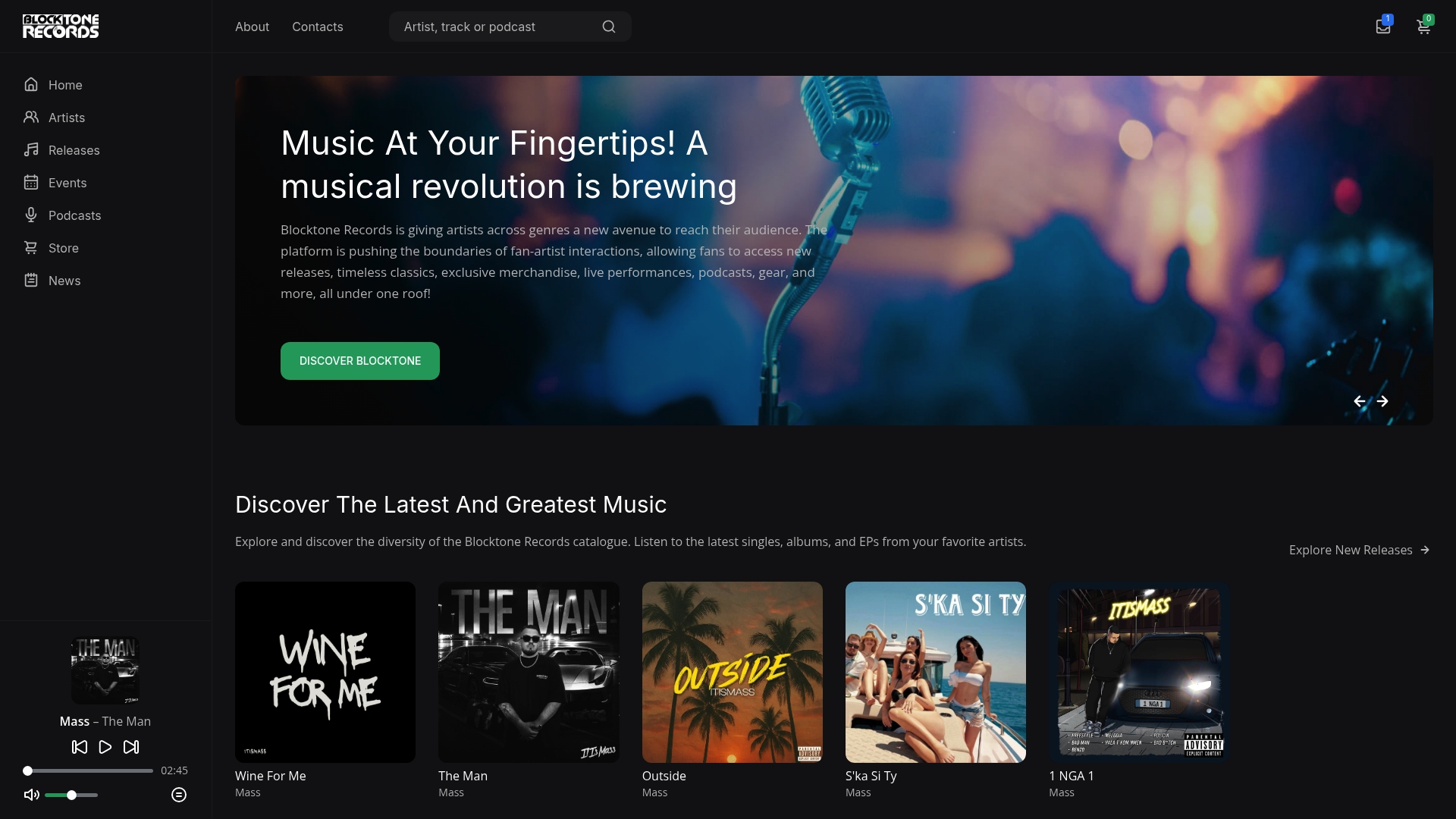
From music discovery for artists to hands-on distribution tips that help your music reach the right ears, BlockTone gives you a platform to showcase your work, connect with fans, and build the kind of career that lasts. Join a growing community of artists who are choosing consistency, authenticity, and smart strategy over shortcuts.
Frequently asked questions
How can independent musicians get on playlists in 2026?
Build genuine relationships with niche playlist curators and submit your music early through platform tools like Spotify for Artists. Playlist placements offer high ROI when you target the right lists for your genre rather than casting a wide net.
Should indie artists prioritize social media or email for fan engagement?
Use both, but lean on email for long-term reliability since you own that relationship fully. Direct fan connections lead to more stable careers because no platform change can erase your list.
How often should an independent artist release new music?
Aiming for a consistent release every two to three months works well for most indie artists. Consistent releases and honest growth outperform infrequent big drops because algorithms and fans both reward regular activity.
Are collaborations useful for music marketing?
Absolutely. Collaborations introduce you to an entirely new audience that already trusts your collaborator’s taste. Collaboration and cross-promotion drive organic fan growth in ways that paid ads often can’t replicate.