

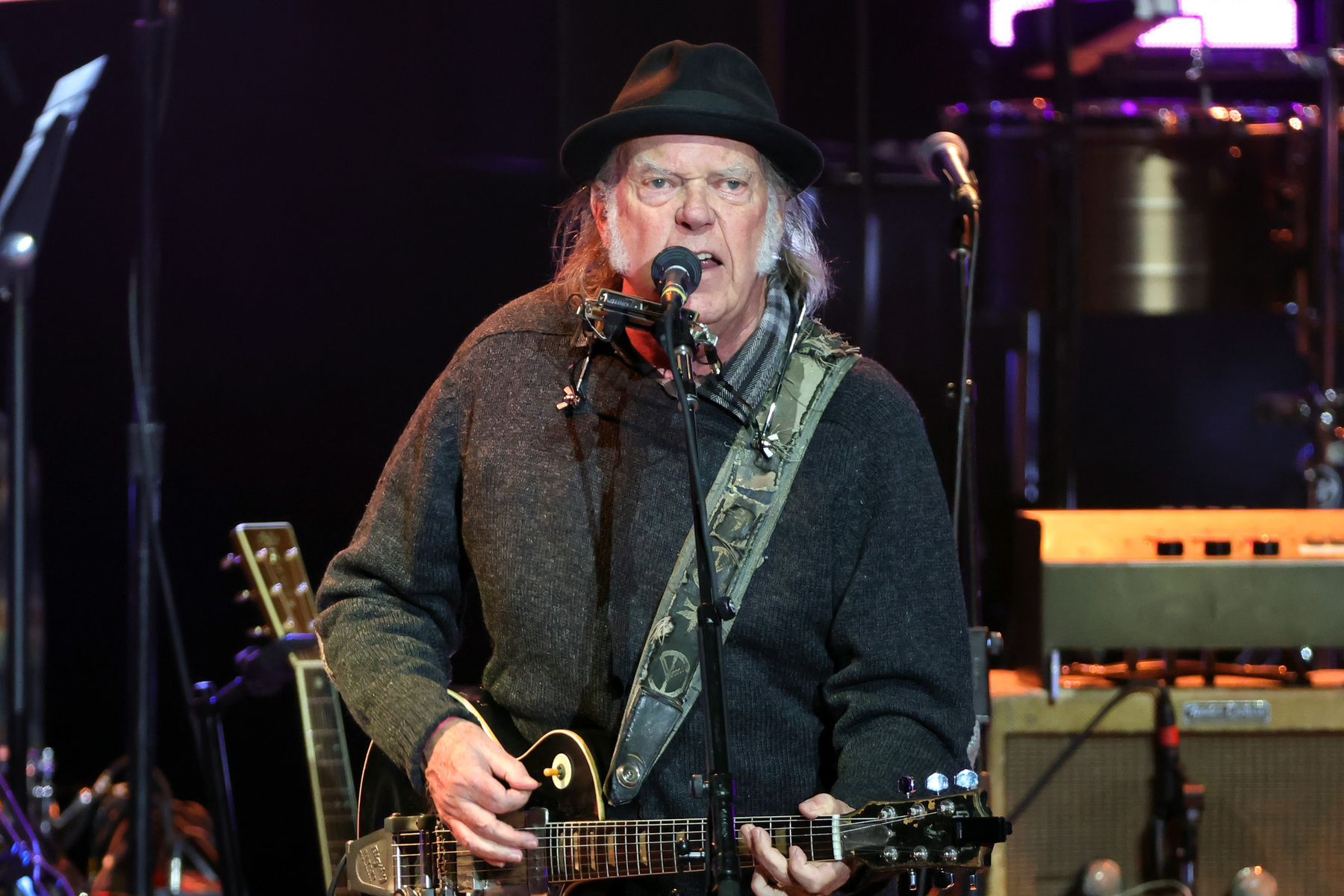
Neil Young Takes a Stand Against Amazon and Big Tech
Legendary musician Neil Young has decided to remove his music from Amazon Music, citing concerns over the platform’s corporate practices and its support for governmental policies under the Trump administration. This move was detailed in a fiery blog post on his personal website, where Young expresses his disillusionment with large corporations and encourages his fans to support local businesses instead.
Neil Young’s Advocacy Against Corporate America
In his blog post, Neil Young emphasizes the importance of local communities and small businesses in sustaining the American economy and social fabric. He argues that supporting local stores over multinational corporations can contribute to a more equitable society. Young’s post reads as a passionate call to “FORGET AMAZON” and avoid supporting a corporation that, in his view, upholds governmental policies that he disagrees with. The post features a bold statement about Amazon founder Jeff Bezos, accusing him of supporting the current U.S. administration.
Young’s Broader Criticism of Tech Giants
Neil Young’s criticism isn’t limited to Amazon. He has also targeted other tech giants like Facebook, now known as Meta. Young has previously abandoned Facebook, following a Reuters report alleging that the platform allowed inappropriate communication methods towards minors. His decision to leave Amazon Music parallels his earlier departure from Spotify over disagreements regarding content and partnerships, specifically their deal with podcaster Joe Rogan. Young’s stances often encourage other artists to reconsider their associations with these platforms as well.
Impact on Young’s Music Distribution
Despite his decision, as of the latest updates, Young’s music was still accessible on Amazon Music. There has been no official response from Amazon Music or Young’s record label, Warner Music/Reprise, regarding this recent development. Historically, Neil Young’s protests have influenced other artists and the music industry’s approach to partnerships and platform use. For instance, his withdrawal from Spotify led to several other artists, including his Crosby, Stills, Nash & Young bandmates, pulling their music as well in support of Young’s stand against misinformation.
Financial Implications and Future Prospects
Neil Young’s choice to remove his music from major streaming services has had financial repercussions. For example, his Spotify boycott was estimated to cost him around $300,000 in lost royalties. However, his music was reinstated on Spotify after the end of their exclusive contract with Joe Rogan in March 2024. This highlights the complex balance artists must maintain between their principles and financial realities.
Conclusion
Neil Young remains a prominent voice in the debate over corporate ethics in music distribution. His actions reflect a broader movement within the music industry where artists demand greater control over their work and its ethical implications. Young’s commitment to these ideals continues to influence his career decisions and his legacy as an artist concerned with more than just his music, but also the impact of where and how it is available.