


Role of Top Singles and Albums: Boosting Artist Reach
Many indie artists wonder how to balance powerful singles with meaningful albums when sharing their music online. The divide between short, punchy releases and full-length collections often shapes an artist’s visibility and connection with fans. Knowing how to use singles for quick audience response while leveraging albums for deeper storytelling can be a game-changer for your strategy. This guide unpacks the core differences between singles and albums, showing how each format can boost engagement across digital platforms.
Table of Contents
- Defining Singles And Albums In Music
- Varieties Of Releases: Singles Versus Albums
- Characteristics Of Successful Music Drops
- Fan Engagement And Visibility Benefits
- Monetization Strategies For Indie Artists
- Common Mistakes And Best Practices
Key Takeaways
| Point | Details |
|---|---|
| Understanding Release Formats | Singles, EPs, and albums serve distinct purposes, impacting artist strategy and audience engagement. Artists should balance their releases for optimal visibility. |
| Strategic Music Drops | Successful music releases require careful timing and a comprehensive promotional strategy to maximize audience connection and engagement. |
| Diverse Monetization Strategies | Independent artists should explore multiple revenue streams, such as digital products and crowdfunding, to ensure financial sustainability in the evolving music landscape. |
| Avoiding Common Pitfalls | Consistency in marketing and production quality is crucial; emerging artists must establish a cohesive brand strategy to succeed in the competitive music industry. |
Defining Singles and Albums in Music
Musical formats have undergone significant transformations since the mid-20th century, with singles and albums emerging as fundamental structures for artists to share their creative work. Concept album research reveals that the introduction of the Long Play (LP) record in 1948 dramatically expanded musical storytelling possibilities by increasing audio duration and enabling more integrated listening experiences.
Understanding the core differences between singles and albums helps emerging artists strategically plan their music releases:
- Singles: Short-form musical releases
- Typically contain 1-2 tracks
- Designed to generate immediate audience interest
- Often used as promotional tools for upcoming albums
- Faster to produce and distribute
- Albums: Comprehensive musical collections
- Contain multiple tracks (usually 8-15 songs)
- Represent a more cohesive artistic statement
- Allow deeper exploration of musical themes
- Provide a complete narrative or emotional journey
The evolution of these musical formats reflects changing listener preferences and technological capabilities. Where vinyl records once limited musical expression, digital platforms now enable unprecedented creative flexibility. Artists can now release singles strategically, building anticipation for full-length albums or experimenting with different sonic landscapes without committing to extensive production cycles.
Pro tip: Consider releasing singles as strategic “breadcrumbs” that progressively reveal your album’s musical narrative and build audience engagement before the full release.
Varieties of Releases: Singles Versus Albums
The contemporary music industry is experiencing a profound transformation in how artists share their creative work, particularly in the dynamics between music release strategies. Singles and albums represent two distinct approaches to musical distribution, each serving unique artistic and marketing purposes in the digital landscape.
Modern musical releases encompass several key formats:
- Singles: Quick, targeted musical statements
- Typically 1-3 tracks
- Faster production and release cycle
- High streaming platform visibility
- Lower financial investment
- Immediate audience engagement
- Extended Play (EP): Intermediate release format
- 4-6 tracks
- Bridges gap between singles and full albums
- Allows more artistic exploration
- Lower commitment than full albums
- Full-Length Albums: Comprehensive artistic statements
- 8-15 tracks
- Deeper narrative and thematic exploration
- Higher production complexity
- Traditional format with cultural significance
Streaming platform trends are dramatically reshaping musical consumption, with singles now representing a significant portion of global music engagement. This shift reflects listeners’ evolving preferences for immediate, digestible content that can be quickly shared and consumed across digital platforms.

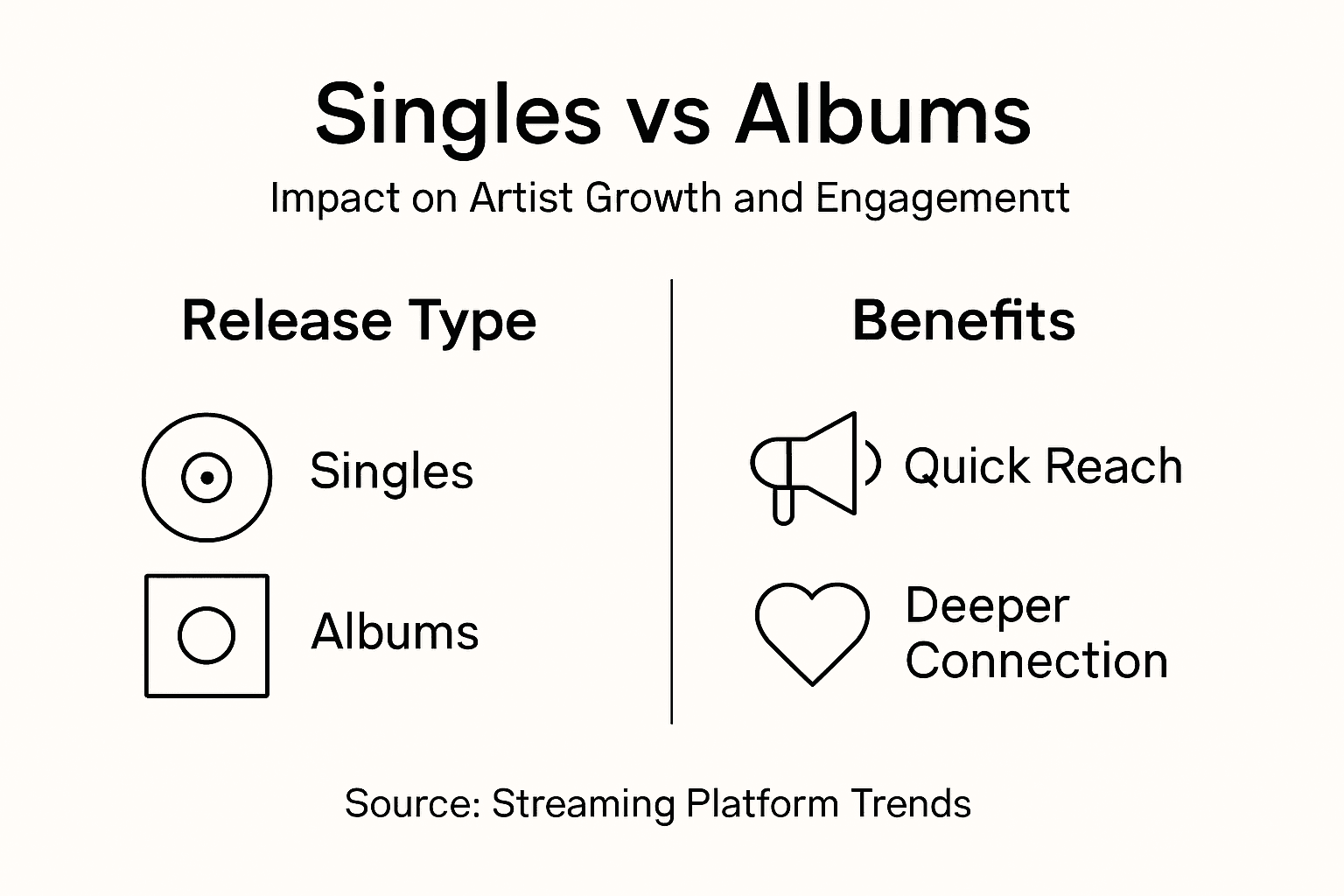
The following table summarizes how singles, EPs, and albums differ in their effect on artist strategy and fan engagement:
| Release Type | Impact on Artist Growth | Effect on Fan Engagement |
|---|---|---|
| Single | Quick visibility boost | Fast-paced audience response |
| EP | Showcases artistic range | Sustains medium-term interest |
| Album | Establishes creative identity | Deepens long-term connection |
Pro tip: Develop a strategic release schedule that balances singles and album tracks to maintain consistent audience interest and maximize digital platform algorithmic exposure.
Characteristics of Successful Music Drops
In today’s rapidly evolving digital music landscape, music release strategies have become increasingly sophisticated, requiring artists to develop nuanced approaches to engaging their audience. Music drops now represent far more than simple track releases – they are strategic moments of audience connection and brand development.
Successful music drops typically encompass several critical characteristics:
- Strategic Timing
- Align with audience peak engagement periods
- Consider platform-specific algorithmic trends
- Avoid oversaturated release windows
- Maintain consistent release momentum
- Comprehensive Promotional Framework
- Multi-platform social media teaser campaigns
- Behind-the-scenes content
- Playlist submission strategies
- Fan interaction and anticipation building
- Technical Production Quality
- High-fidelity audio recording
- Professional mixing and mastering
- Visually compelling accompanying content
- Seamless digital distribution
The modern music ecosystem demands more than traditional release models. Artists must now craft immersive experiences that transcend mere audio consumption, creating narrative arcs that keep audiences continuously engaged and excited about upcoming content.
Successful music drops are less about individual tracks and more about building sustained audience relationships through strategic, interconnected content experiences.
Pro tip: Create a comprehensive release calendar that strategically spaces your music drops, allowing each release to generate momentum while maintaining audience anticipation.
Fan Engagement and Visibility Benefits
Artist visibility strategies have transformed dramatically in the digital era, creating unprecedented opportunities for musicians to connect directly with their audience. Fan engagement now goes beyond traditional marketing, becoming a complex, interactive ecosystem where artists must continuously cultivate meaningful connections across multiple digital platforms.
Key strategies for maximizing fan engagement include:
- Digital Interaction Channels
- Social media direct messaging
- Live streaming performances
- Interactive comment sections
- Fan-driven content creation
- Content Diversity
- Behind-the-scenes footage
- Acoustic/alternative versions of tracks
- Personal storytelling
- Collaborative fan projects
- Algorithmic Visibility Tactics
- Consistent release schedules
- Strategic playlist submissions
- Cross-platform content sharing
- Engaging metadata and track descriptions
Modern audiences crave authenticity and connection. Musicians who understand this fundamental shift can transform passive listeners into active, passionate community members who not only consume music but actively participate in an artist’s creative journey.
Successful fan engagement transcends traditional marketing – it’s about creating a shared narrative where fans feel genuinely connected to the artist’s creative process.
Pro tip: Design an engagement strategy that treats fans as collaborators, not just consumers, by creating interactive experiences that make them feel integral to your musical narrative.
Monetization Strategies for Indie Artists
The contemporary music landscape offers indie artists unprecedented opportunities to create diverse revenue streams, moving beyond traditional streaming income. Digital monetization has transformed from a linear model to a multifaceted ecosystem where creativity and strategic thinking determine financial success.
Key monetization strategies for independent musicians include:
- Digital Product Offerings
- Online music production courses
- Virtual songwriting workshops
- Exclusive tutorial content
- Digital sheet music and stems
- Direct-to-Fan Revenue Channels
- Membership platforms
- Personalized coaching sessions
- Limited edition merchandise
- Crowdfunding project support
- Performance and Content Monetization
- Virtual concert ticketing
- Sponsored livestream events
- Patreon and fan subscription models
- YouTube content monetization
Streaming platform strategies demonstrate that frequent single releases can maintain audience momentum and generate consistent revenue. By diversifying income sources, indie artists can create a more sustainable financial model that doesn’t rely exclusively on streaming royalties.
Financial success in music now requires artists to be entrepreneurs, leveraging multiple platforms and creating value beyond traditional recording contracts.
Pro tip: Develop a comprehensive monetization strategy that integrates at least three different revenue streams, ensuring financial resilience and continuous audience engagement.
Here is a quick reference for digital-era monetization options available to indie artists:
| Monetization Channel | Revenue Potential | Fan Connection Level |
|---|---|---|
| Online courses | High recurring | Direct skill sharing |
| Merchandise sales | Moderate per item | Builds brand loyalty |
| Virtual concerts | Variable, event-based | Real-time interaction |
| Crowdfunding campaigns | Lump sum/project | High emotional investment |
Common Mistakes and Best Practices
Navigating the complex landscape of music releases requires understanding both critical pitfalls and strategic approaches. Music distribution demands nuanced awareness of industry dynamics and audience expectations, with emerging artists often encountering significant challenges in their early career stages.
Common mistakes indie artists frequently make include:
- Marketing Missteps
- Inconsistent release schedules
- Neglecting social media engagement
- Poorly targeted promotional efforts
- Lack of cohesive branding strategy
- Technical Production Errors
- Low-quality audio recordings
- Insufficient metadata optimization
- Overlooking platform-specific requirements
- Inadequate mixing and mastering
- Strategic Oversights
- Overreliance on single revenue streams
- Ignoring audience feedback
- Failing to diversify content offerings
- Underestimating importance of fan relationships
Successful artists distinguish themselves by treating music not just as an art form, but as a strategic business endeavor. Understanding platform algorithms, maintaining consistent quality, and developing a holistic approach to audience engagement are critical components of sustainable musical careers.
True artistic success emerges from a balanced approach that combines creative integrity with strategic, business-minded execution.
Pro tip: Create a comprehensive content and release calendar that integrates creative planning with systematic marketing and audience engagement strategies.
Amplify Your Reach with Strategic Singles and Albums on Blocktone Records
The article highlights the challenges artists face in balancing singles and albums to maximize audience engagement and visibility. Understanding the importance of strategic release schedules, high-quality music drops, and fan connection can transform your music career. At Blocktone Records, we provide a dedicated platform designed to help you showcase your top singles and albums, connect with fans through exclusive content, and monetize your creative efforts effectively.
Whether you aim to drop impactful singles that build hype or launch a cohesive album that tells your story, our platform supports every step of your journey. Benefit from features like live performances, podcasts, and merchandise sales that deepen fan engagement and expand your reach in a competitive digital landscape.
Explore how you can leverage singles and albums to boost your artist profile today.
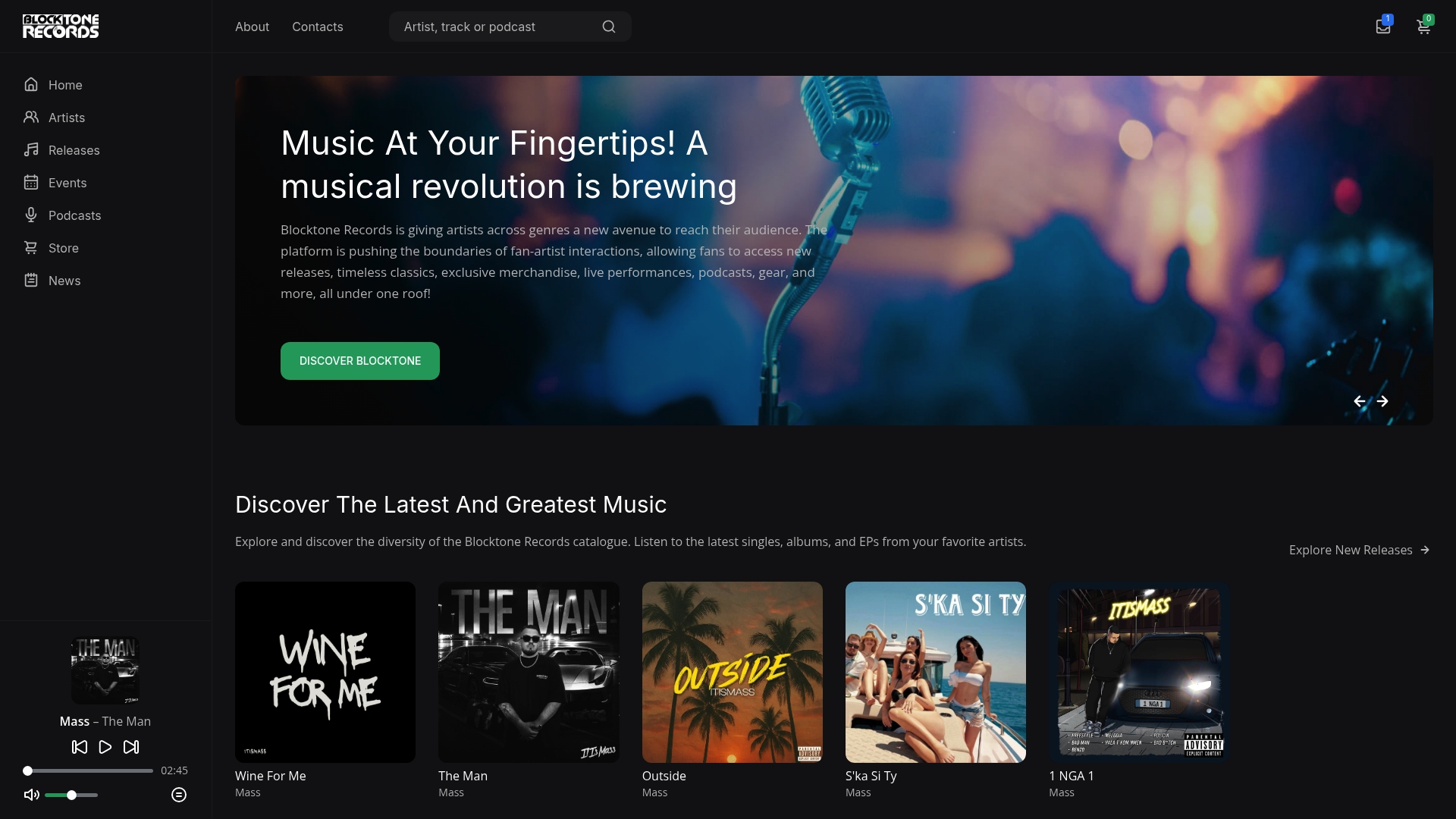
Start growing your fanbase and monetizing your music now at Blocktone Records. Visit our landing page to discover the full suite of tools tailored for emerging and established artists. Take control of your music career and turn your releases into lasting connections.
Frequently Asked Questions
What are the main differences between singles and albums in music?
Singles are short-form musical releases typically containing 1-2 tracks and aimed at generating immediate audience interest, while albums are comprehensive collections of 8-15 tracks representing a more cohesive artistic statement that allows for deeper exploration of musical themes.
How can releasing singles benefit an artist’s career?
Releasing singles can provide quick visibility and immediate audience engagement, acting as promotional tools for upcoming albums while allowing artists to experiment with their sound without committing to extensive production cycles.
What are some key strategies for successful music drops?
Successful music drops should include strategic timing aligned with audience engagement peaks, a comprehensive promotional framework across multiple platforms, and high-quality audio production to enhance listener experience and maintain interest.
How can independent artists monetize their music effectively?
Independent artists can diversify their revenue streams by offering digital products, creating direct-to-fan revenue channels, and monetizing performances through virtual concerts and subscriptions, ensuring financial resilience beyond traditional streaming income.