
The Nighttime Pull of Michael Jackson’s “Human Nature”
What Is “Human Nature” About?
“Human Nature” by Michael Jackson is about the instinctive pull toward desire, freedom, curiosity, and emotional risk. The narrator is drawn into the city at night, where attraction feels less like a planned decision and more like something built into being human.
The song does not explain desire in a neat, moral, or logical way. Instead, it circles around a simple question: why do people follow feelings they cannot fully control? The answer, as the title suggests, is human nature.
Background and Release Context
“Human Nature” appears on Michael Jackson’s 1982 album Thriller, where it sits between “Billie Jean” and “P.Y.T. (Pretty Young Thing)” on the official track list. The album was produced by Quincy Jones and became one of the defining pop albums of the 1980s. (MichaelJackson.com – Thriller album page)
The story behind the song is unusually accidental. Steve Porcaro of Toto originally wrote the musical idea, but Toto did not use it. According to the official Thriller 40 song page, Porcaro later gave Quincy Jones a tape of demos for Michael Jackson. After the marked side of the tape failed to impress Jones, the tape auto-reversed and played the early version of “Human Nature.” Jones heard something special in it and brought in lyricist John Bettis to revise the verses. (Official Thriller 40 – “Human Nature” page)
The verified songwriting credits belong to Steve Porcaro and John Bettis, with Quincy Jones credited as producer. The track is often associated with pop, R&B, soft rock, and quiet storm because of its smooth keyboards, suspended atmosphere, and gentle but emotionally restless vocal performance.
“Human Nature” was released as a single in 1983 and became another major hit from Thriller. The RIAA lists it among Michael Jackson’s certified Epic singles, confirming its lasting commercial legacy. (RIAA – Michael Jackson Gold & Platinum database)
The Meaning Behind “Human Nature”
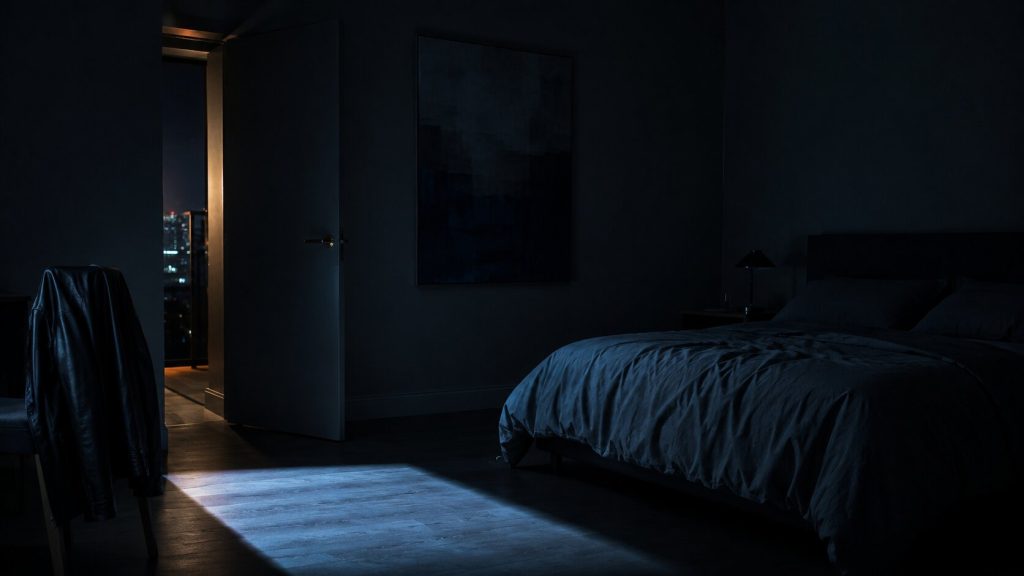
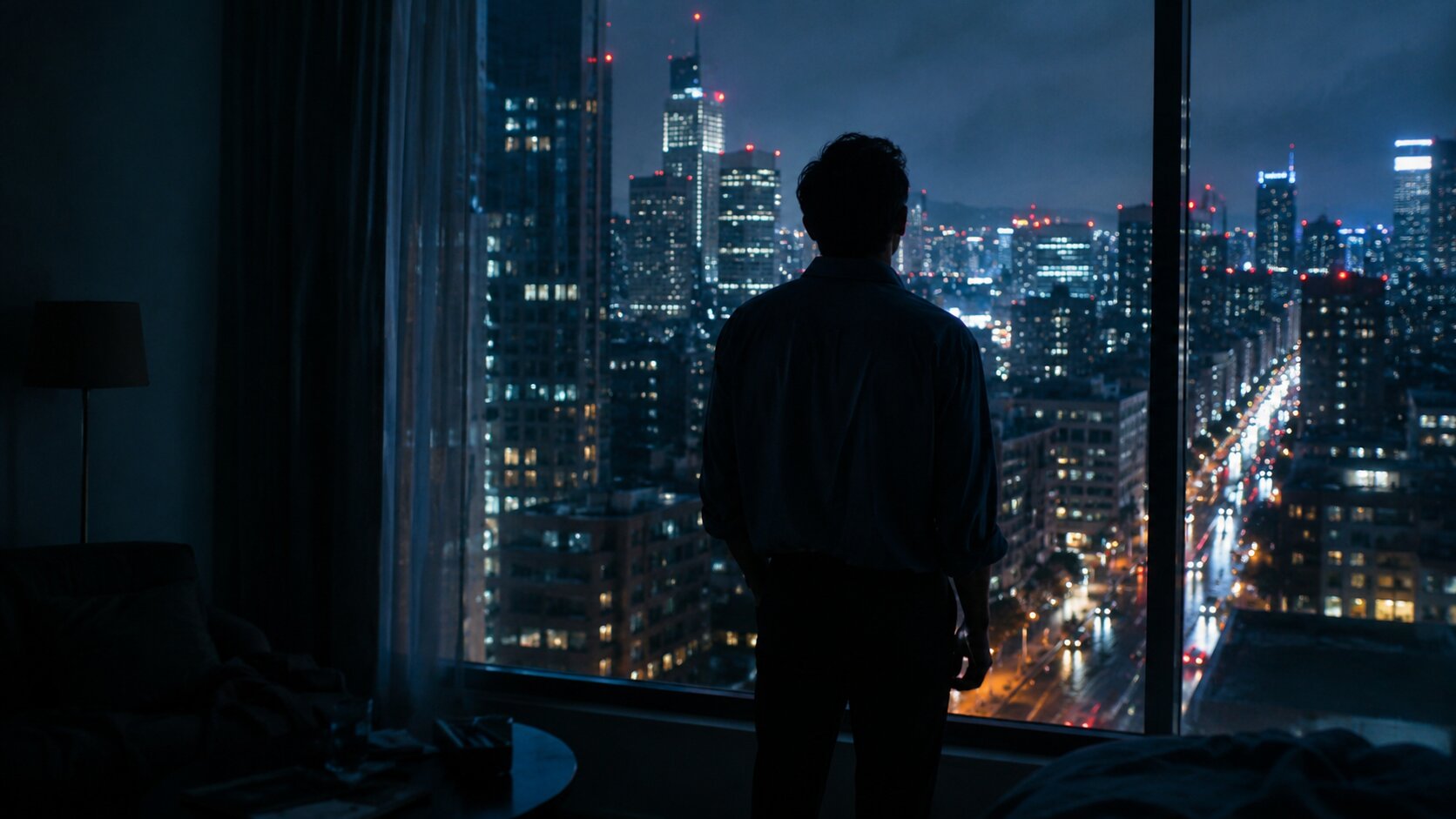
The main meaning of “Human Nature” lies in the tension between control and instinct. The narrator appears to begin from a place of separation: he is inside, looking out at the city, hearing the world call to him. The night feels alive, seductive, and impossible to ignore.
This makes the song more complicated than a simple romantic ballad. Michael Jackson is not just singing about wanting someone. He is singing about the strange force that makes people move toward temptation, contact, freedom, and risk even when they cannot explain themselves clearly.
John Bettis later described the lyric as an allegorical way of writing toward Michael Jackson’s situation: a superstar surrounded by walls, expectations, and control, but still longing for real human contact and freedom. That does not mean the song is only about fame, but it adds a powerful layer to the interpretation. (Brice Najar – John Bettis interview)
The beauty of “Human Nature” is that it never gives the listener a heavy explanation. It lets atmosphere carry meaning. The city, the night, the repeated question of “why,” and Jackson’s delicate vocal all suggest a person pulled by something older than reason.
Lyrics Breakdown, Section by Section
Verse 1 Meaning
The opening verse places the narrator near the city at night. He is not fully part of the action yet; he is watching, listening, and sensing the world beyond his room. The city lights create a feeling of invitation, as if the outside world is calling him into movement.
The emotional meaning is one of restlessness. The narrator is not content to remain still. The night becomes a symbol of everything beyond routine: desire, anonymity, danger, possibility, and escape.
The window-like perspective is important because it creates a boundary. The narrator can see the world he wants, but he has not fully stepped into it yet. That boundary gives the first verse its quiet tension.
Pre-Chorus Meaning
The pre-chorus shifts the song from observation into action. The narrator wants to leave the safety of the room and enter the city. The walls around him no longer feel protective; they feel restrictive.
This part of the song turns curiosity into appetite. The city is not just something to look at. It is something to experience physically and emotionally. The narrator wants to taste life rather than merely watch it from a distance.
That movement is central to the song’s meaning. “Human Nature” is not about a perfectly rational choice. It is about the moment when desire becomes stronger than hesitation.
Chorus Meaning
The chorus is built around the question of why. Why does someone follow desire? Why does attraction override caution? Why do people move toward experiences they cannot fully justify?
The answer is simple but not shallow: it is human nature. The song suggests that some impulses arrive before logic. People can explain them afterward, but in the moment, they feel almost automatic.
Michael Jackson’s vocal makes this idea feel vulnerable rather than arrogant. He does not sound like someone proudly defending bad behavior. He sounds like someone caught inside the same mystery everyone else is trying to understand.
Verse 2 Meaning
The second verse brings the narrator closer to contact with other people. The city is no longer only a distant image. It becomes a place of passing bodies, glances, movement, and possible intimacy.
This is where “Human Nature” becomes more sensual, but still not explicit. The song is less interested in telling a detailed romantic story than in capturing the emotional charge of a night where anything might happen.
The lack of a clearly named person matters. The desire in the song is not only about one individual. It is also about the broader human urge to connect, wander, risk, and feel alive.
Bridge Meaning
“Human Nature” does not depend on a dramatic bridge in the traditional pop sense. Instead, the later sections keep circling the same question and emotional atmosphere.
That repetition is meaningful. The narrator cannot fully solve the question because the feeling itself is unresolved. Desire does not become simple just because someone asks why it exists.
The music supports this suspended feeling. The smooth synth textures and floating rhythm make the song feel as if it is hovering above the city rather than landing in one fixed conclusion.
Outro Meaning
The outro leaves the listener inside the same mystery. There is no confession, punishment, or final explanation. The narrator remains caught between attraction and uncertainty.
This open ending helps the song remain timeless. “Human Nature” does not reduce human desire to innocence, guilt, romance, or rebellion. It lets all of those emotions exist at once.
Hidden Meanings, Metaphors, and Symbolism
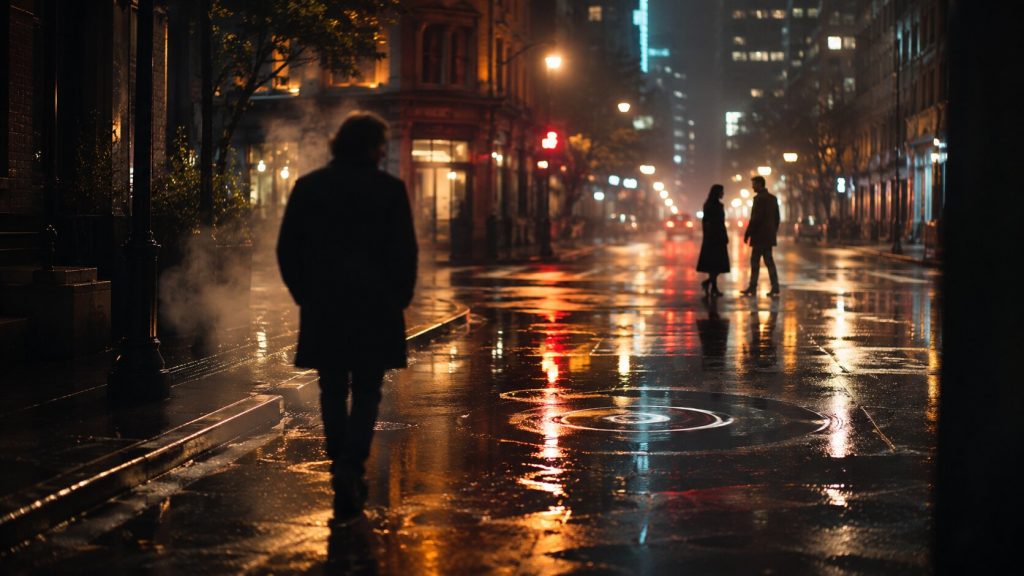
The most important symbol in “Human Nature” is the nighttime city. It represents freedom, temptation, adult experience, and emotional possibility. During the day, the city is practical and visible. At night, it becomes dreamlike and charged with secrecy.
The idea of walls is another key metaphor. The room can be read literally, but it also suggests emotional restriction, social pressure, and the limits placed around a person’s life. In Michael Jackson’s case, this symbolism can also be read through the lens of fame: being watched by everyone, yet still wanting ordinary human experience.
The repeated “why” is the song’s deepest device. It is not just a question about one relationship. It is a question about human behavior itself: why people desire, why they wander, why they risk comfort, and why they sometimes follow feelings that do not come with clear explanations.
There is also a powerful contrast between the softness of the production and the restlessness of the lyric. The song sounds calm, but its emotional movement is unsettled. That contrast gives “Human Nature” its hypnotic quality.
Is the Song Based on a Real Person or Event?
“Human Nature” has a real creative origin, but the finished song is not confirmed to be about one specific romantic partner. The original idea came from Steve Porcaro, and the official Thriller 40 page confirms that the song existed before Quincy Jones discovered it on a demo tape. (Official Thriller 40 – “Human Nature” page)
John Bettis’s later comments suggest that the completed lyric was shaped with Michael Jackson’s public and emotional situation in mind. That makes the song feel partly personal, partly symbolic, and partly universal.
The safest interpretation is this: “Human Nature” began from a real creative moment, but the final Michael Jackson recording is not a confirmed autobiographical story about one person or one documented event.
How This Song Fits Into Michael Jackson’s Catalog
On Thriller, “Human Nature” works as a quiet nighttime counterweight to the album’s more dramatic songs. “Billie Jean” is tense and paranoid, “Beat It” is confrontational, and “Thriller” is theatrical. “Human Nature” is more interior, intimate, and atmospheric.
That difference is exactly why the song stands out. It shows Michael Jackson’s ability to create drama through restraint. He does not need to over-sing; he lets breath, tone, and phrasing carry the emotional charge.
The song also connects to recurring themes in Jackson’s broader catalog: loneliness, freedom, longing, innocence, desire, and the emotional cost of being watched. But unlike some later songs, “Human Nature” does not make those themes explicit. It lets them glow beneath the surface.
Final Thoughts
“Human Nature” remains powerful because it understands that some feelings cannot be explained cleanly. The song captures the moment when the night calls, the walls feel too close, and desire becomes stronger than control.
Its meaning is not simply that people do whatever they want. It is more delicate than that. The song suggests that human beings are moved by loneliness, curiosity, attraction, beauty, and the need to feel alive.
Michael Jackson’s performance turns that idea into something weightless and haunted. “Human Nature” feels like walking through a city at night, unsure whether you are chasing someone else or trying to find yourself.
FAQs About “Human Nature”
What does “Human Nature” by Michael Jackson mean?
Who wrote “Human Nature”?
What album is “Human Nature” from?
Is “Human Nature” based on a true story?
What is the chorus of “Human Nature” about?
When was “Human Nature” released as a single?
Why is “Human Nature” considered one of Michael Jackson’s best ballads?
Sources Used