

When Love Finds a Locked Room: Noah Kahan’s “Doors” Explained
Noah Kahan’s “Doors” is a song about wanting to be loved while fearing that love will expose too much. The narrator does not simply push someone away because he does not care; he pushes them away because intimacy feels dangerous, revealing, and almost impossible to manage.
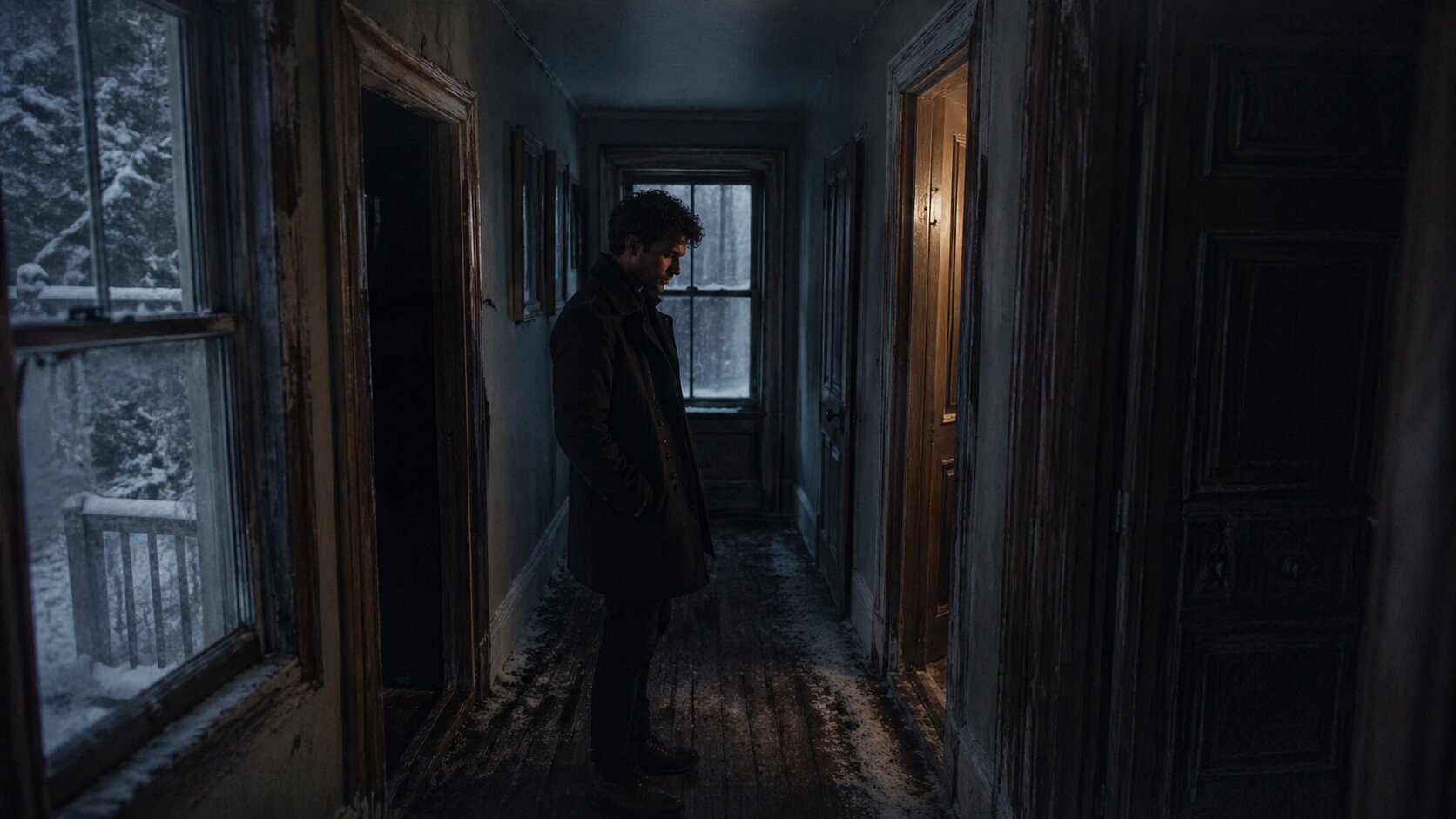
The title image is simple but emotionally loaded. A door usually suggests access, privacy, escape, or invitation. In this song, Kahan turns it into a metaphor for guardedness: the narrator can show someone where the entrances are, but that does not mean he knows how to let them in.
What Is “Doors” About?
“Doors” is about emotional distance, self-sabotage, and the fear of becoming a burden to someone who wants to love you. The song’s speaker seems painfully aware of his own patterns: he can recognize his damage, name his warning signs, and still fail to fully open himself to another person.
That makes the song more complex than a standard breakup confession. It is not only about losing someone. It is about watching someone try to understand you and realizing that the closer they come, the more unreachable you may feel.
Background and Release Context
“Doors” appears as the second track on Noah Kahan’s 2026 album The Great Divide. The album was released on April 24, 2026, and Kahan’s official store lists “Doors” in the album tracklist immediately after the title track. (Noah Kahan Official Store)
Apple Music also lists “Doors” under The Great Divide, confirming its placement within the album era. The record follows the massive success of Stick Season, but it is not simply a repetition of that sound or emotional world. The Great Divide expands Kahan’s writing into questions of distance, fame, family, memory, and the difficulty of staying connected after life changes. (Apple Music)
The available public credits list Noah Kahan and Sam Westhoff as the songwriters of “Doors,” with Noah Kahan and Gabe Simon credited as producers. Shazam also lists Gabe Simon on bass, Carrie K on drums, Dylan Jones on background vocals, and Nina de Vitry on violin. (Shazam)
Musically, “Doors” leans into Kahan’s folk-rock and Americana instincts, but it carries a heavier, more urgent energy than some of his quieter acoustic material. The Associated Press highlighted the song’s “blistering guitars” and heavy emotional subject matter in its review of The Great Divide. (Associated Press)
The Meaning Behind “Doors”

The emotional core of “Doors” is the conflict between confession and avoidance. The narrator is honest about his flaws, but that honesty does not automatically make him available. In fact, the song suggests that warning someone about your damage can sometimes become another way of keeping them at a distance.
This is what gives “Doors” its quiet tension. The speaker is not hiding behind false confidence. He seems to know exactly how difficult he can be. He understands that love requires openness, patience, and trust, but he also seems convinced that anyone who gets too close will eventually be hurt.
The song’s central metaphor works because doors are not walls. A wall says there is no way through. A door suggests possibility. That distinction matters: Kahan’s narrator is not completely sealed off. He gives signs, openings, warnings, and glimpses of vulnerability. But those openings do not become true access.
In that sense, “Doors” is about the painful gap between being explainable and being reachable. The narrator can describe his wounds, but he cannot necessarily hand someone the key to them.
Lyrics Breakdown, Section by Section
Verse 1 Meaning
The opening verse reaches back toward childhood and formation. Kahan uses imagery connected to early play, fear, anger, and weather to suggest that the narrator’s emotional defenses did not appear suddenly. They were built over time.
The childhood images are not merely nostalgic. They feel like the origin point of a pattern. The narrator seems to understand himself as someone shaped by old conditions: family atmosphere, inherited tension, regional harshness, and memories that still echo inside adult relationships.
The Vermont imagery is especially important because place has always been central to Kahan’s writing. Here, landscape becomes psychology. Cold weather and storm imagery do not simply describe where the speaker comes from; they help explain the emotional climate he carries with him.
Pre-Chorus Meaning
The pre-chorus functions like a warning before the emotional damage fully arrives. The narrator appears to tell the other person that loving him will not be easy. He sees trouble ahead and wants the other person to understand the risk.
But the warning is complicated. On one level, it is honest and even protective. On another level, it may also be a defensive move. If the speaker tells someone in advance that he is difficult, he can avoid the vulnerability of truly changing. He can say he was transparent, even while keeping his most painful rooms closed.
This is one of the song’s strongest emotional ideas: self-awareness is not the same as healing. The narrator knows what is wrong, but knowledge alone does not free him from the pattern.
Chorus Meaning
The chorus gives the song its defining image. The narrator keeps showing doors, but the other person still cannot fully enter. The metaphor suggests emotional invitations that never become complete access.
Those doors may represent memories, fears, past wounds, exits, or moments of partial vulnerability. They may also represent chances for the other person to leave before things become worse. The brilliance of the image is that it can mean both invitation and escape at the same time.
The chorus is devastating because it reverses the usual promise of intimacy. Love is supposed to make someone clearer. In “Doors,” closeness seems to make the narrator harder to see. The more the other person tries to understand him, the more he feels hidden behind his own defenses.
Verse 2 Meaning
The second verse appears to move deeper into separation and consequence. The narrator imagines distance, resentment, and the possibility that the other person may eventually move on. The emotional tone is not clean relief; it is a painful recognition that leaving may be necessary even when love remains.
This section shifts the song away from simple heartbreak. The speaker is not only afraid of being abandoned. He is afraid of what happens if he stays close to someone while still unable to offer real openness.
That is why “Doors” feels so heavy. The narrator may genuinely care about the other person, but care does not automatically make him safe, available, or emotionally clear. The song lives inside that uncomfortable truth.
Bridge Meaning
The bridge intensifies the fear of being truly known. Kahan’s writing often treats visibility as both a desire and a threat, and “Doors” uses that tension carefully. The narrator wants to be understood, but understanding also means losing control over how much of himself is seen.
The bridge makes the song feel less like a direct conversation and more like an internal reckoning. The speaker is confronting not only the other person’s pain, but his own inability to become fully reachable.
What makes this section powerful is that it does not offer an easy breakthrough. The narrator does not suddenly open every door. Instead, the bridge deepens the sense that his defenses are built into the architecture of who he is.
Outro Meaning
By the end of the song, the repeated door imagery feels like a locked emotional cycle. The narrator can keep naming the problem, but he has not escaped it. The song ends in awareness rather than resolution.
That unresolved quality is part of the song’s realism. “Doors” does not pretend that one confession can repair years of emotional distance. Instead, it captures the stage before healing: the moment when someone finally understands their pattern, but still does not know how to break it.
Hidden Meanings, Metaphors, and Symbolism
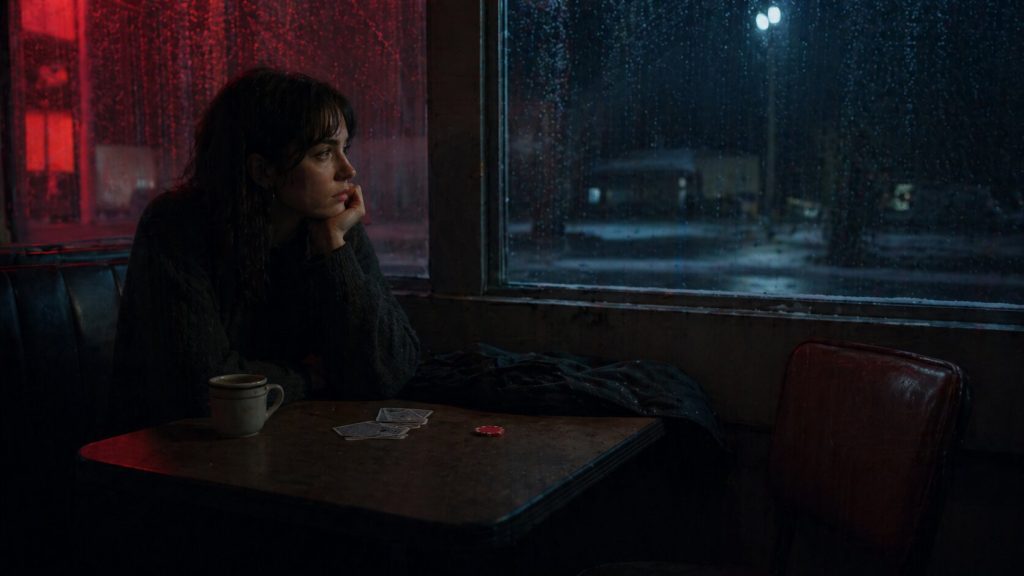
The door is the song’s most important symbol. It suggests access, transition, privacy, and choice. In “Doors,” it also becomes a symbol of emotional contradiction. The narrator can point toward intimacy without being able to fully participate in it.
Weather imagery adds another layer. Kahan often uses place and climate as emotional language, and here the coldness associated with Vermont becomes more than setting. It suggests a personality shaped by harshness, survival, and long emotional winters.
There is also a strong tension between warning and pleading. The narrator seems to tell the other person that loving him is dangerous, but the song does not sound indifferent. Beneath the warning is a desire to be chosen anyway. That makes the emotional message more painful: he wants someone to stay, but he may not know how to stop making staying difficult.
Sleep, fear, and restlessness also matter. When a song links emotional distress to nighttime or unconscious behavior, it suggests pain that cannot be fully controlled. The narrator may manage his words while awake, but his deeper anxiety still leaks through.
Is “Doors” Based on a Real Person or Event?
There is no verified public statement confirming that “Doors” is about one specific real person or one specific event. The song feels personal, but it should not be treated as a literal biography unless Kahan directly identifies its subject.
The broader context of The Great Divide does support a personal reading. In interviews around the album era, Kahan has discussed the distance between his present life and his past, including relationships, family, and earlier versions of himself. Still, “Doors” is best understood as emotionally autobiographical rather than as a confirmed story about a named person. (People)
How “Doors” Fits Into Noah Kahan’s Catalog
“Doors” fits naturally beside Noah Kahan songs that explore self-knowledge, shame, home, and emotional inheritance. Like “Growing Sideways,” it understands that being able to diagnose your own pain does not mean you have solved it. Like “Stick Season,” it lets landscape become part of the emotional story.
At the same time, “Doors” feels connected to the more expansive world of The Great Divide. The song is not only about a relationship; it is about distance itself. That distance may exist between two people, between past and present, or between the person the narrator wants to be and the person he still fears he is.
In that way, “Doors” advances one of Kahan’s signature themes. His songs often ask what it means to come from somewhere, carry that place with you, and still try to become someone new. Here, the question becomes even more intimate: what happens when the old rooms inside you make love difficult to enter?
Final Thoughts
“Doors” resonates because it treats emotional unavailability with unusual honesty. It does not glamorize distance, but it also does not flatten the narrator into a villain. Instead, the song shows how frightening intimacy can feel for someone who has built their identity around self-protection.
The most likely meaning of “Doors” is that love cannot always unlock someone who does not yet know how to be opened. Kahan’s narrator wants connection, but he is trapped inside the very defenses that once helped him survive. That is what makes the song so affecting: it is not about the absence of love, but about the tragedy of love meeting a locked room.
FAQs About “Doors” by Noah Kahan
What does “Doors” by Noah Kahan mean?
Who wrote “Doors” by Noah Kahan?
Who produced “Doors”?
What album is “Doors” from?
Is “Doors” based on a true story?
What is the chorus of “Doors” about?
Why is “Doors” resonating with Noah Kahan fans?
Sources Used