

What is music genre diversity? A 2026 guide for artists
Over 45% of top-charting songs in 2026 blend two or more distinct genres, reflecting how hybrid music dominates listener preferences worldwide. Music genre diversity is the presence and integration of multiple distinct styles shaped by culture, geography, and history. This guide unpacks what genre diversity means, why it matters for discovery and innovation, and how emerging artists can strategically leverage it to expand reach and engagement on platforms like Blocktone Records.
Table of Contents
- Understanding Music Genre Diversity: Definition And Components
- The Cultural And Historical Roots Of Genre Diversity
- Why Music Genre Diversity Matters: Industry And Listener Impact
- Common Misconceptions About Music Genres And Diversity
- Frameworks For Understanding And Categorizing Music Genre Diversity
- Practical Applications: Leveraging Genre Diversity For Emerging Artists And Platforms
- Tradeoffs, Limitations, And Future Trends In Music Genre Diversity
- Explore Genre Diversity With Blocktone Records
- Frequently Asked Questions
Key takeaways
| Point | Details |
|——-|———||
| Music genre diversity reflects global cultures | Thousands of genres exist worldwide, shaped by distinct regional and historical influences. |
| Drives innovation and discovery | Genre blending creates new subgenres and increases playlist inclusion for artists. |
| Genres are fluid, not fixed | Over 60% of musicians experiment across styles, making rigid categories outdated. |
| Three-dimensional framework aids understanding | Analyzing style, origin, and audience helps artists and listeners navigate diverse music. |
| Emerging artists gain broader reach | Strategic genre blending expands discovery without diluting brand identity. |
Understanding music genre diversity: definition and components
Music genre diversity is defined as the presence and integration of multiple distinct music styles, reflecting cultural, regional, and historical differences worldwide. Thousands of genres exist today, from Afrobeat rooted in West African rhythms to K-pop shaped by South Korean urban culture. Each genre carries unique stylistic features, instrumentation, and production techniques. Understanding this diversity helps you appreciate music’s global richness and identify opportunities for creative experimentation.
Several core components define genre diversity. Stylistic features include tempo, melody, harmony, and instrumentation. Cultural origin traces a genre’s geographic and ethnic roots, such as reggae from Jamaica or flamenco from Spain. Historical context reveals how genres evolved through social movements, technological advances, and cross-cultural exchange. Audience context considers who listens, where, and why, shaping how genres are marketed and discovered.
Main components include:
- Stylistic features like rhythm patterns, vocal delivery, and harmonic structures
- Cultural origin reflecting regional traditions, languages, and social histories
- Audience context encompassing demographics, listening habits, and platform preferences
- Production techniques and technology shaping sound quality and genre evolution
Grasping these components equips you to navigate and leverage genre diversity strategically, whether discovering new sounds or crafting your artist identity.
The cultural and historical roots of genre diversity
Cultural hybridity drives the creation of fusion genres by blending traditions from different regions and communities. Jazz emerged in early 20th-century New Orleans through African rhythms, European harmony, and Caribbean influences. Reggaeton fused Jamaican dancehall with Latin American hip hop and electronic beats in the 1990s. These genres illustrate how migration, trade, and technology facilitate cross-cultural musical exchange, producing entirely new sonic identities.
Historical events accelerate genre evolution and diversification. The transatlantic slave trade spread African musical traditions to the Americas, birthing blues, gospel, and jazz. The British Invasion of the 1960s introduced rock and roll globally, spawning countless subgenres. Digital streaming in the 2000s democratized music production and distribution, enabling niche genres to find global audiences instantly. Each era’s technological and social shifts reshape genre boundaries and possibilities.
Key historical influences on genre diversity include:
- Migration and diaspora spreading musical traditions across continents
- Technological innovations like recording, radio, and streaming platforms
- Social movements linking music to identity, protest, and cultural pride
- Economic globalization enabling instant cross-border collaboration and discovery
- Youth culture driving experimentation and rejection of rigid genre labels
Understanding these roots clarifies why multi-genre music and cultural hybridity are not trends but natural outcomes of human creativity and connection. Genres continuously evolve as artists draw from diverse influences.
Why music genre diversity matters: industry and listener impact
Genre diversity directly boosts listener engagement and platform growth. Streaming services with broader genre catalogs report higher user retention and longer listening sessions. Listeners exposed to varied styles discover more artists, follow more playlists, and share content more frequently. This cycle benefits platforms and artists alike, creating opportunities for emerging musicians to reach audiences beyond their primary genre.

For artists, genre diversity fuels innovation and creative freedom. Blending styles opens doors to new subgenres and collaborative opportunities. Musicians who incorporate multiple influences often stand out in crowded markets, attracting attention from curators and tastemakers. Music discovery and genre diversity go hand in hand, as algorithmic playlists and recommendation engines favor artists with unique sonic profiles.
Listeners gain cognitive and cultural benefits from diverse musical exposure. Studies show that engaging with varied genres enhances emotional intelligence, cultural empathy, and auditory processing skills. Discovering unfamiliar styles broadens perspectives and reduces cultural biases. Platform growth through genre diversity creates ecosystems where fans and artists connect across traditional boundaries, fostering vibrant global communities.
Key benefits include:
- Higher engagement metrics for platforms offering diverse catalogs
- Increased playlist inclusion for artists blending genres strategically
- Enhanced discovery algorithms favoring unique sonic identities
- Cognitive growth for listeners exposed to unfamiliar musical traditions
Pro Tip: Emerging artists should identify two to three complementary genres that align with their core sound, then subtly integrate elements to differentiate without confusing audiences.
Common misconceptions about music genres and diversity
Many believe genres are fixed categories with strict boundaries, but reality proves otherwise. Genres evolve constantly through artist experimentation, cultural exchange, and listener preferences. What started as niche fusion styles often become mainstream genres within years. Rigid classification systems fail to capture the fluid nature of modern music creation and consumption.
Some dismiss genre diversity as a marketing gimmick designed to sell more music. However, cultural hybridity has shaped music for centuries, long before modern marketing existed. Fusion genres arise organically when artists draw inspiration from multiple traditions. The commercial success of genre-blending music reflects genuine listener demand for fresh, innovative sounds, not industry manipulation.
Over 60% of musicians today identify with multiple genres or resist genre labels entirely. Artist genre fluidity and streaming platforms have normalized experimentation, making single-genre careers increasingly rare. Listeners also consume music across genres more than ever, thanks to algorithmic recommendations and global access to diverse catalogs.
Common misconceptions debunked:
- Genres are not static boxes but evolving cultural expressions shaped by ongoing innovation.
- Genre diversity reflects authentic artistic creativity, not superficial marketing tactics.
- Musicians frequently shift styles throughout careers, challenging outdated classification norms.
- Listeners benefit from diverse exposure, gaining broader cultural and emotional perspectives.
Genre labels serve as rough maps, not rigid borders. Artists and listeners navigate music landscapes freely, creating and discovering sounds that defy simple categorization.
Recognizing these truths empowers you to approach music with curiosity rather than limiting assumptions.
Frameworks for understanding and categorizing music genre diversity
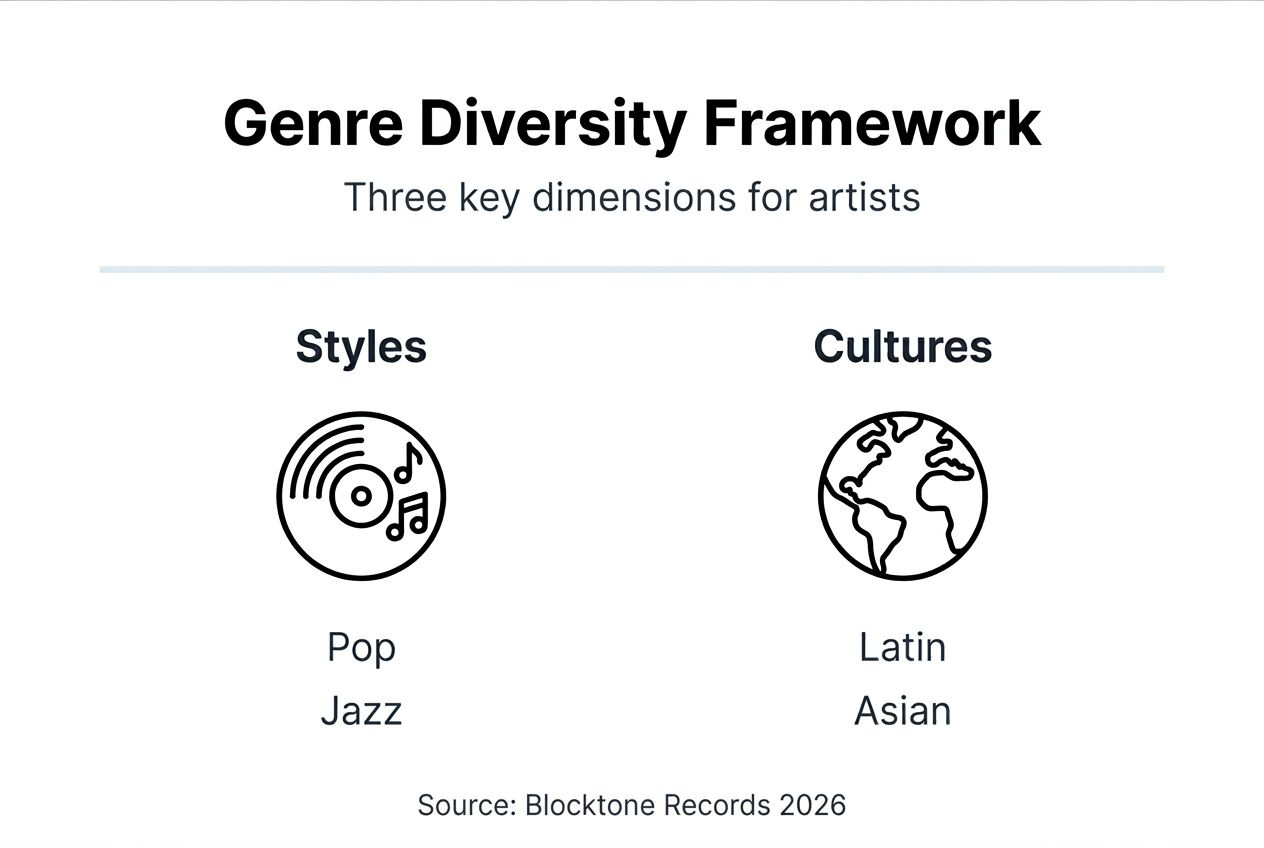
A three-dimensional framework simplifies navigating complex genre landscapes. The first dimension, style, examines musical elements like tempo, instrumentation, and vocal techniques. The second, origin, traces cultural and geographic roots. The third, audience, considers who listens and how they engage. This model provides clarity without oversimplifying the richness of genre diversity.
Comparing fixed versus fluid classification approaches reveals important tradeoffs:
| Approach | Strengths | Limitations |
|---|---|---|
| Fixed classification | Clear categories for marketing and curation | Fails to capture evolving hybrid genres |
| Fluid, hybrid model | Reflects real-world artist creativity and listener behavior | Can confuse audiences seeking familiar labels |
| Three-dimensional framework | Balances clarity with flexibility for nuanced understanding | Requires more effort to apply consistently |
This framework benefits artists by clarifying how to position themselves strategically. If your music blends electronic production with folk storytelling, you can target audiences interested in either dimension while carving a unique niche. Platforms gain smarter curation tools, grouping music by shared dimensions rather than forcing single-genre tags.
Examples of classification models include mood-based playlists, era-focused collections, and culture-specific catalogs. Each offers unique utility depending on listener intent. Combining multiple dimensions creates richer discovery experiences, helping fans find music that matches specific contexts and preferences.
Pro Tip: Use the three-dimensional framework to audit your current music catalog. Identify which dimensions your tracks emphasize, then strategically diversify to reach broader audiences without losing coherence.
Practical applications: leveraging genre diversity for emerging artists and platforms
Emerging artists can increase playlist inclusion by thoughtfully blending genres that share audience overlap. If you create indie rock with electronic elements, target playlists in both categories. Curators appreciate fresh takes on familiar styles, making strategic blends more discoverable than pure genre plays. Balance experimentation with consistency to avoid confusing your core fans.
Maintaining clear brand identity while embracing diversity requires intentional choices. Define your sonic core, then layer complementary influences sparingly. Fans should recognize your signature sound across tracks, even as you explore new territory. Strategies for emerging artists emphasize building a cohesive narrative around your genre experimentation, framing it as evolution rather than randomness.
Digital platforms should curate diverse yet coherent genre catalogs. Group music by mood, energy, or cultural context alongside traditional genre tags. This approach respects genre diversity while guiding listeners to content that matches their current intent. Using genre diversity to boost discovery requires smart algorithms that recognize subtle stylistic connections beyond surface-level labels.
Actionable tips include:
- Identify two to three genres that naturally complement your core sound and artistic vision
- Test genre blends in singles before committing full albums to unfamiliar territory
- Collaborate with artists from different genres to learn production techniques and expand networks
- Use metadata and tags strategically to appear in multiple genre-specific playlists and searches
- Monitor engagement metrics to identify which genre combinations resonate most with your audience
Successful artist success with genre diversity often involves gradual evolution rather than abrupt pivots, building listener trust while exploring new creative directions.
Tradeoffs, limitations, and future trends in music genre diversity
Excessive genre segmentation risks confusing listeners and diluting artist brands. When musicians jump between radically different styles without clear narrative, fans struggle to form lasting connections. Platforms face similar challenges curating catalogs with thousands of micro-genres, overwhelming users with choices. Balancing diversity with clarity remains an ongoing challenge for the music industry.
Emerging trends point toward further hybridization and global cultural influences. Latin, African, and Asian musical traditions increasingly shape mainstream Western genres, creating rich fusion styles. Generative AI tools enable artists to experiment with diverse genres more easily, accelerating cross-pollination. Expect niche subgenres to proliferate while umbrella categories blur even further.
Future digital platform opportunities include smarter curation and discovery tools powered by machine learning. Algorithms will better recognize subtle stylistic connections, helping listeners discover music across genre boundaries. Augmented reality and spatial audio technologies may create immersive genre experiences, deepening emotional engagement. Artists who embrace these tools early will gain competitive advantages.
Key considerations include:
- Risks of listener confusion when artists lack clear sonic identity across diverse releases
- Brand dilution from excessive genre experimentation without strategic cohesion
- Platform opportunities to innovate curation using AI and contextual listening data
- Growing global influences reshaping traditional genre boundaries and hierarchies
- Need to balance broad diversity with focused messaging for effective audience building
Navigating these tradeoffs requires intentionality. Artists should diversify thoughtfully, platforms should curate intelligently, and listeners should remain open to discovery beyond familiar categories.
Explore genre diversity with Blocktone Records
Now that you understand how genre diversity drives discovery and innovation, take action with Blocktone Records. Our platform empowers emerging artists to distribute music across multiple genres, reaching global audiences through strategic placement and promotion. We provide proven music distribution tips tailored to genre-blending musicians seeking broader reach without sacrificing artistic identity.
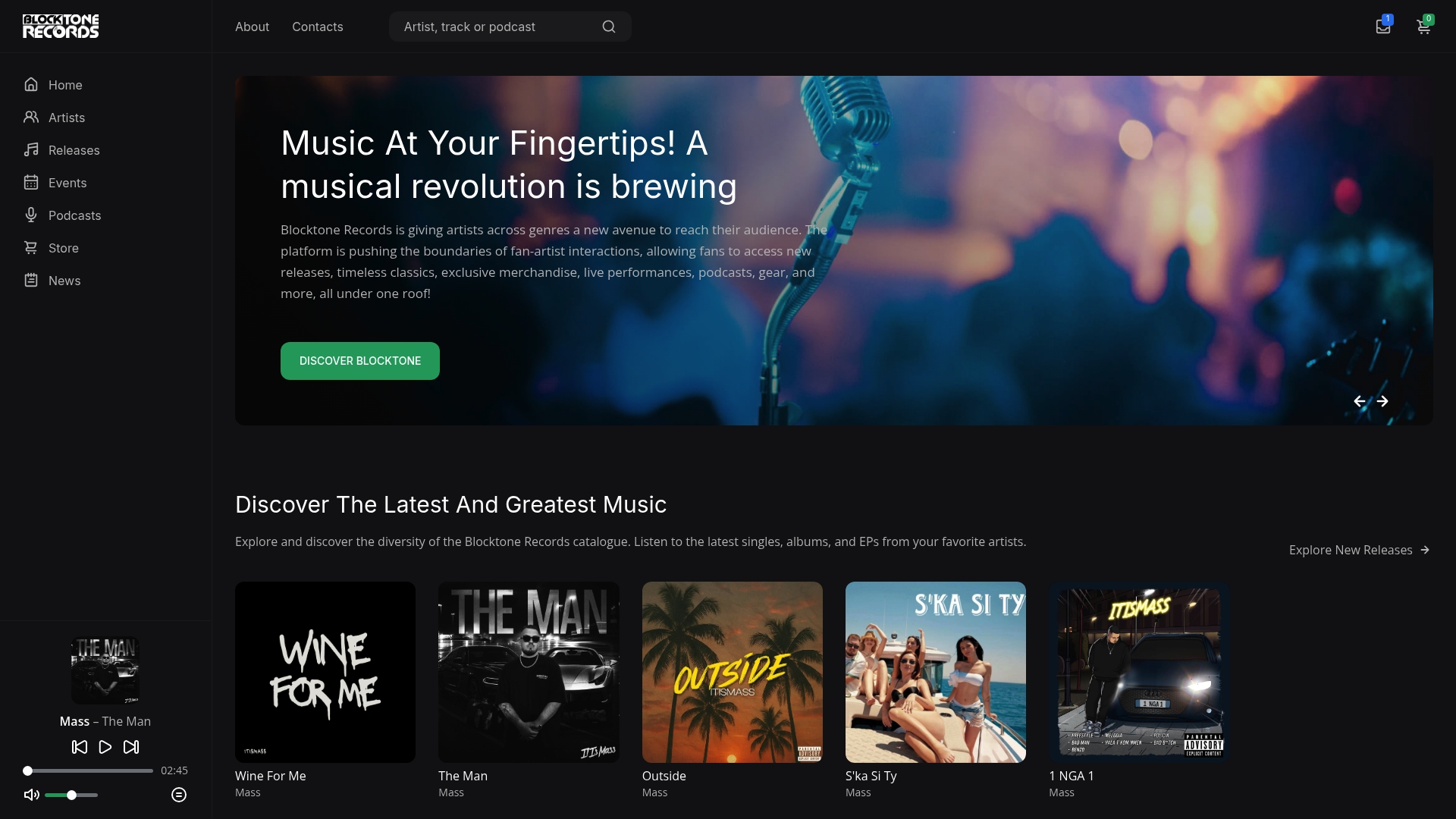
Blocktone offers music discovery services designed to maximize playlist inclusion and fan engagement. Our tools help you analyze listener behavior, optimize metadata, and craft compelling narratives around your genre experimentation. Whether you’re launching your first single or expanding an established catalog, we deliver resources that translate genre diversity into measurable results. Ready to amplify your music? Boost your music plays by applying insights from this guide with our industry-leading support.
Frequently asked questions
What is music genre diversity?
Music genre diversity is the presence and integration of multiple distinct musical styles shaped by cultural, regional, and historical factors. It reflects how genres evolve through cross-cultural exchange and artist experimentation. Understanding genre diversity helps listeners appreciate global music traditions and enables artists to strategically blend influences for broader reach.
How does genre diversity benefit emerging artists?
Genre diversity increases playlist inclusion by positioning artists across multiple categories, expanding discovery opportunities. It fuels creative innovation, helping musicians stand out in crowded markets with unique sonic identities. Strategic blending attracts attention from curators and algorithms that favor distinctive styles. However, artists must balance experimentation with clear branding to avoid confusing audiences.
Are music genres becoming less important in 2026?
Genres remain relevant as navigational tools but function more fluidly than in past decades. Over 60% of musicians resist single-genre labels, reflecting how streaming platforms prioritize mood and context over rigid categories. Genres still guide discovery and marketing, but their boundaries blur as hybrid styles dominate charts. The shift favors artists who thoughtfully integrate diverse influences.
What are common examples of genre fusion?
Reggaeton blends Jamaican dancehall with Latin hip hop and electronic production. Country rap merges rural storytelling with urban beats and flow. Afro-house combines traditional African rhythms with electronic dance music structures. Jazz fusion incorporates rock, funk, and world music elements. These examples show how cultural exchange and artistic creativity produce entirely new sonic identities.
How can platforms use genre diversity to improve user experience?
Platforms should curate music using multi-dimensional frameworks beyond traditional genre labels, grouping tracks by mood, energy, or cultural context. Smart algorithms can recognize subtle stylistic connections, recommending diverse music that matches listener intent. Offering coherent yet varied playlists keeps users engaged longer while exposing them to unfamiliar genres. This approach respects diversity without overwhelming audiences with excessive choice.