
Why live performances online boost engagement and revenue
Most independent musicians believe online live performances generate less revenue and weaker fan connections than traditional concerts. This misconception stops artists from tapping into one of the most powerful tools for audience growth and income diversification available today. Online live shows actually unlock multiple revenue streams simultaneously while enabling real-time interaction that deepens fan loyalty. The key is understanding how to leverage interactive features, hybrid models, and sustainable streaming practices. This guide reveals exactly how online performances expand your reach and earnings in ways physical venues cannot match.
Table of Contents
- Unlocking Multiple Revenue Streams With Online Live Performances
- Maximizing Audience Engagement Through Interactive Online Features
- Comparing Online Performances With Physical Concerts: Advantages And Trade-Offs
- Practical Tips For Sustainable And Effective Online Live Performances
- Discover Tools And Tips To Level Up Your Music Career
Key takeaways
| Point | Details |
|---|---|
| Revenue diversification | Online shows enable tiered tickets, merch, tips, sponsorships, and digital products beyond single ticket sales. |
| Interactive engagement | Live chat, polls, and paid requests create intimacy and community that strengthen fan connections. |
| Hybrid advantage | Combining online accessibility with occasional physical shows maximizes emotional impact and revenue potential. |
| Sustainable streaming | Consistent weekly schedules with quality production prevent burnout while building loyal audiences. |
Unlocking multiple revenue streams with online live performances
Relying solely on ticket sales leaves independent artists missing 50 to 70% of potential earnings from online performances. The real financial power comes from layering multiple income sources into a single event. Tiered ticket pricing ranging from $5 for basic access to $15 for premium experiences attracts fans across different budget levels, but this represents just the foundation.
Successful artists integrate merchandise sales, digital tip jars, exclusive track downloads, and brand sponsorships directly into their streaming setup. Each revenue channel serves a different fan segment. Casual listeners might purchase a $5 ticket, engaged fans buy limited edition merch, and superfans pay premium prices for personalized song requests or backstage access. This approach transforms a single performance into a comprehensive monetization ecosystem.
The technical integration matters as much as the strategy. Embedding sales mechanisms directly into your streaming platform reduces friction and captures impulse purchases during emotional performance peaks. Platforms offering native checkout experiences convert significantly better than external links requiring viewers to leave the stream. Understanding music distribution channels helps artists identify which platforms support seamless multi-revenue integration.
| Revenue Stream | Potential Earnings | Best Practice |
|---|---|---|
| Tiered Tickets | $5 to $15 per viewer | Offer 3 tiers with clear value differences |
| Merchandise | $200 to $800 per show | Display items visually during performance |
| Digital Tips | $50 to $300 per show | Enable one-click tipping with suggested amounts |
| Exclusive Tracks | $100 to $500 per show | Limit availability to create urgency |
| Sponsorships | $500+ per show | Partner with brands aligned with your audience |
Pro Tip: Set up automated email sequences that deliver digital products immediately after purchase, then follow up 24 hours later with exclusive behind-the-scenes content to maintain engagement beyond the live event.
The artists earning substantial income from online performances treat each show as a complete business event rather than just a musical performance. They plan merchandise reveals, time sponsorship mentions naturally, and create purchase incentives tied to specific songs or moments. This strategic approach, combined with insights from music distribution tips for independent artists, turns casual viewers into paying customers across multiple categories.
Maximizing audience engagement through interactive online features
Interactive features transform passive viewers into active participants who feel personally connected to your performance. Real-time chat, polls, and paid song requests create intimacy and community that physical venues struggle to match at scale. Platforms like StageIt and Twitch built their entire ecosystems around these engagement mechanics because they measurably increase watch time, repeat attendance, and revenue per viewer.

The psychology behind interactive features is straightforward. When fans influence setlist choices through polls or see their chat messages acknowledged live, they transition from observers to collaborators. This emotional investment creates memorable experiences that drive word-of-mouth promotion and long-term loyalty. Artists who master these tools build communities rather than audiences, fundamentally changing the artist-fan relationship dynamic.
Implementing interactive features requires intentional planning rather than just turning on chat. Successful artists designate specific moments for interaction, ask questions that spark conversation, and create rituals fans anticipate. A weekly poll determining the encore song or a segment where top tippers choose covers gives structure to participation. These predictable interactive moments become reasons fans show up live rather than watching replays.
- Live chat moderation: Assign a team member or use automated tools to filter spam while highlighting quality fan comments for on-screen response
- Strategic polling: Ask questions with 3 to 4 options during natural breaks between songs to maintain flow without disrupting performance energy
- Tiered request systems: Offer song requests at multiple price points, from $10 basic requests to $50 personalized dedications with shoutouts
- Recognition mechanics: Create leaderboards for top supporters, monthly contributor badges, or exclusive Discord access for engaged community members
- Call and response moments: Design specific songs or segments where audience participation through chat creates collective experiences
Pro Tip: Monitor chat sentiment and poll results in real time to gauge audience energy, then adjust your setlist or performance intensity accordingly to maintain peak engagement throughout the show.
The platforms you choose determine which interactive tools you can access. Twitch excels at gaming-style engagement with emotes and channel points, while StageIt focuses on intimate ticketed performances with tipping integration. Understanding music event updates and why artists need music platforms helps you select tools aligned with your audience preferences and revenue goals. The key is consistency, using the same features across shows so fans know how to participate effectively.
Comparing online performances with physical concerts: advantages and trade-offs
Research demonstrates that live physical presence yields higher appreciation and emotional valence compared to livestreamed performances. The psychological benefits of shared physical space, collective energy, and sensory immersion create experiences online formats cannot fully replicate. Attendees at in-person concerts report stronger feelings of connection, elevated heart rates during peak moments, and more profound emotional responses that contribute to overall well-being.
However, this emotional advantage comes with significant accessibility and revenue limitations. Physical venues restrict audience size to room capacity, require geographic proximity, and generate income primarily through tickets and on-site sales. Online performances eliminate these constraints, reaching global audiences simultaneously while layering multiple revenue streams that physical shows cannot easily support. The trade-off is clear: emotional intensity versus scalability and financial diversification.
“Liveness is key to the psychological well-being benefits of live music. The shared physical presence during concerts creates emotional experiences and social connections that recorded or streamed performances struggle to match, even with high production quality.”
The hybrid model emerges as the optimal strategy for independent artists seeking both emotional impact and financial sustainability. Occasional physical concerts create peak experiences that deepen fan relationships and generate social proof through attendee testimonials and content. Regular online shows maintain consistent engagement, provide steady income, and expand reach to fans who cannot attend in-person events due to distance or budget constraints.
| Performance Type | Emotional Impact | Revenue Potential | Accessibility | Sustainability |
|---|---|---|---|---|
| Physical Only | Highest | Limited by capacity | Geographic constraints | Touring burnout risk |
| Online Only | Moderate | Multiple streams | Global reach | Schedule flexibility |
| Hybrid Model | High (when combined) | Maximized | Best of both | Balanced workload |
This comparison reveals why successful artists in 2026 rarely choose exclusively online or physical approaches. They use online performances as the foundation for consistent fan engagement and revenue, then schedule strategic physical shows in key markets to create memorable experiences that justify premium pricing. The online shows fund the physical tours, while physical concerts generate content and emotional connections that drive online attendance.
Understanding why support emerging artists unlocks value and the role of music platforms for artists helps you design a hybrid strategy aligned with your career stage and resources. Early-career artists might focus 80% on online shows while building audience size, then gradually increase physical performances as demand justifies venue costs. Established artists might reverse the ratio, using online shows to maintain connection between tours.
Practical tips for sustainable and effective online live performances
Maintaining consistent streaming schedules prevents burnout while building audience habits that drive attendance. Artists who stream sporadically struggle to build momentum because fans never know when to show up. A predictable weekly or biweekly schedule trains your audience to block time for your performances, dramatically increasing live viewership compared to random streaming.
- Establish a fixed schedule: Choose a specific day and time each week, then communicate it consistently across all promotional channels and social media profiles.
- Invest in quality production: Use dedicated lighting, clean audio interfaces, and reliable internet connections to ensure professional presentation that justifies ticket prices.
- Create pre-show promotion routines: Post countdown reminders 7 days, 3 days, 24 hours, and 1 hour before each show across email lists and social platforms.
- Design setlist variety: Rotate between fan favorites, new material, and special requests to keep regular attendees engaged across multiple shows.
- Implement technical redundancy: Maintain backup internet connections, pre-recorded segments for technical failures, and alternative streaming platforms if primary services fail.
- Schedule post-show engagement: Spend 15 to 20 minutes after performances thanking attendees, answering questions, and previewing next week’s show to build anticipation.
The technical setup determines whether your production quality matches audience expectations. Using OBS Studio or similar broadcasting software enables multi-platform streaming simultaneously, reaching audiences on YouTube, Twitch, and Facebook Live without additional effort. RTMP integration allows professional-grade streaming with scene transitions, overlays, and sponsor graphics that elevate perceived value.
Pro Tip: Record every live performance and repurpose segments as promotional content for social media, email newsletters, and platform highlights to extend the value of each show beyond the live broadcast.
Burnout prevention requires intentional boundaries around streaming frequency and production complexity. Artists attempting daily shows quickly exhaust creative energy and audience interest. Weekly performances provide enough frequency to maintain momentum while allowing time for promotion, technical preparation, and creative development between shows. Understanding what is music streaming helps you set realistic expectations for audience growth timelines.
The production quality baseline continues rising as technology becomes more accessible. Viewers in 2026 expect clear audio, stable video, and professional presentation even from independent artists. This doesn’t require expensive equipment, but it does demand attention to basics like proper microphone placement, adequate lighting, and background aesthetics. Learning how to showcase new music and boost plays provides additional strategies for maximizing the impact of your streaming content.
Discover tools and tips to level up your music career
Online live performances represent just one component of a comprehensive artist development strategy. BlockTone Records provides resources specifically designed to help independent musicians navigate distribution, streaming, and fan engagement challenges. The platform offers practical guides on maximizing your music’s reach across digital channels while building sustainable revenue streams.
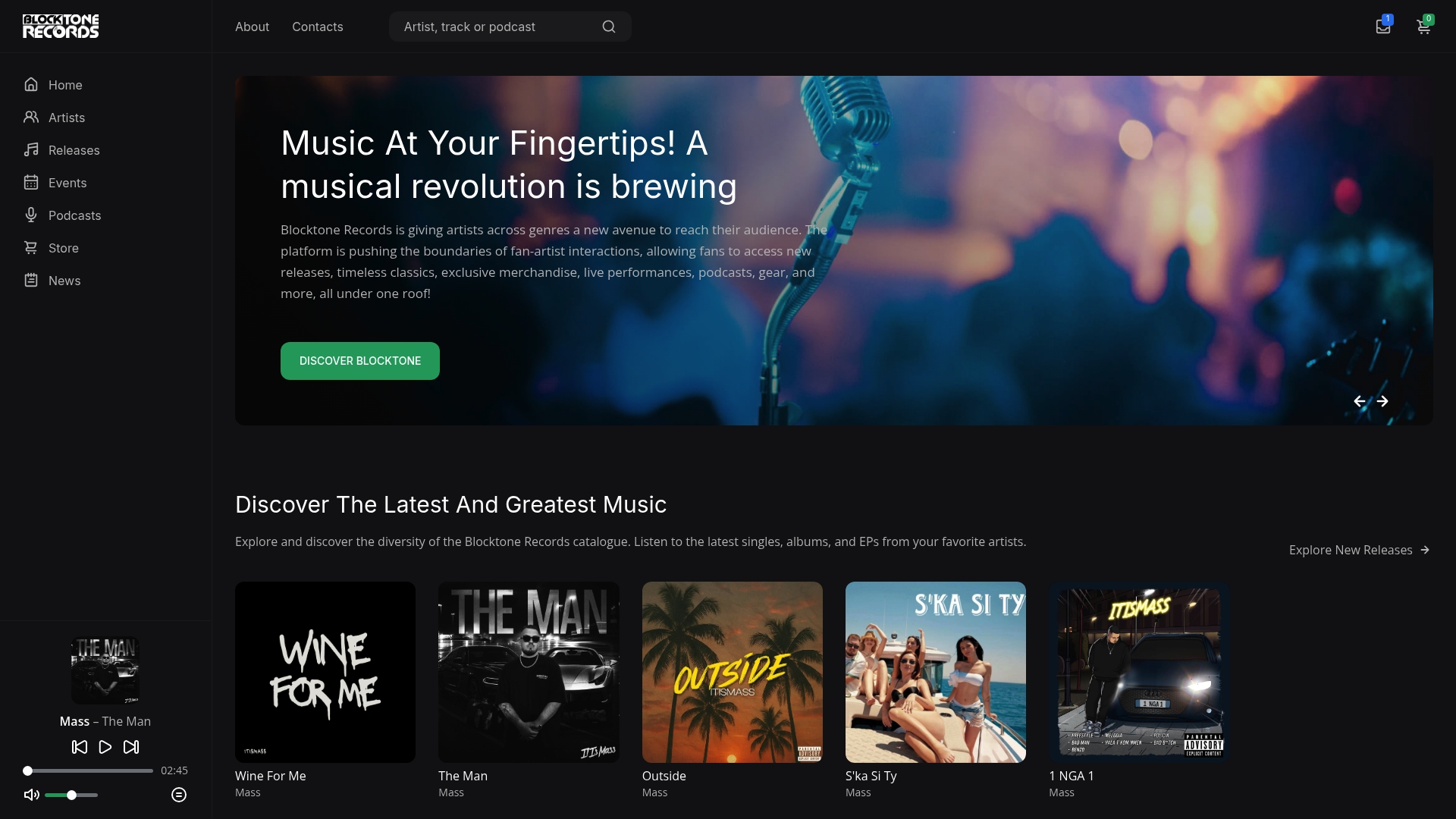
Explore detailed music distribution tips for independent artists to understand how streaming performances integrate with broader release strategies. Learn what music streaming platforms offer and how to optimize your presence across each channel. Discover music discovery strategies for artists that connect your live performances with algorithmic playlist placement and fan acquisition systems. These resources provide actionable frameworks for building a music career that combines online engagement with strategic distribution.
FAQ
How do tiered ticket pricing and merch sales complement each other in online concerts?
Tiered tickets attract fans across different budget levels, from casual listeners at $5 to superfans at $15, maximizing total ticket revenue. Merchandise adds a personalized revenue layer that appeals to fans wanting tangible connections beyond the digital experience. Combining both strategies captures income from viewers who prefer access-based purchases and those who value physical products, significantly increasing overall earnings per show.
What interactive features can indie artists use to keep virtual audiences engaged?
Live chat enables real-time conversation between artists and fans, creating community atmosphere during performances. Polls let audiences influence setlist decisions or vote on performance elements, transforming passive viewing into active participation. Paid song requests provide personalized experiences while generating additional revenue, and platforms like Twitch offer channel points and emotes that foster ongoing engagement beyond individual shows.
Is it better to focus solely on online shows or combine with physical concerts?
A hybrid approach delivers optimal results by combining the emotional impact of physical concerts with online accessibility and revenue diversification. Purely online shows excel at reaching global audiences and layering multiple income streams but lack the psychological benefits of shared physical presence. Strategic physical concerts create peak experiences and deepen fan relationships, while regular online performances maintain consistent engagement and income between tours.
How can musicians prevent burnout from frequent online streaming?
Maintain a consistent but manageable schedule like weekly or biweekly shows rather than attempting daily broadcasts that exhaust creative energy. Invest in quality production equipment and setup routines that reduce technical stress during performances. Use pre-recorded segments as backup content for technical failures or low-energy moments, and schedule breaks between streaming cycles to recharge creatively and maintain enthusiasm for performances.