
Live digital performances: impact, technology & experience
TL;DR:
- Live digital performances are real-time events delivered via digital technology, encompassing various formats like livestreams, avatars, and holograms.
- These performances expand global access, allow creative visuals, and enable interactive features absent in physical concerts.
- Despite lacking the physical co-presence’s emotional intensity, digital shows offer affordability, inclusivity, and new revenue opportunities for artists.
Millions of people have attended a concert without leaving their couch, and many did it inside a video game. Travis Scott’s virtual Fortnite event drew over 12 million viewers in a single show, and Tomorrowland’s online festival pulled in more than a million fans from around the world. These numbers challenge everything we thought we knew about what a “live” performance means. In 2026, live digital performances are reshaping the music industry in ways that are exciting, a little surprising, and sometimes complicated. This article breaks down what these performances are, how they work, and what they mean for fans and artists alike.
Table of Contents
- What are live digital performances?
- The technology behind the experience
- How do digital and physical concerts compare?
- Benefits and challenges for artists and fans
- A fresh perspective: why live digital performances matter and where they fall short
- Discover and support live digital performances
- Frequently asked questions
Key Takeaways
| Point | Details |
|---|---|
| Broad definition | Live digital performances include everything from livestreamed concerts to fully immersive VR and avatar shows. |
| Digital vs. physical experience | Digital shows offer accessibility and creativity but can’t fully match the physical energy and emotional impact of in-person concerts. |
| Tech powers the possibilities | Advancements in VR, livestreaming, and holograms enable new creative stages and unprecedented audience reach. |
| Opportunities and hurdles | While global access and new revenue streams emerge, issues of authenticity, equity, and technical limitations remain. |
What are live digital performances?
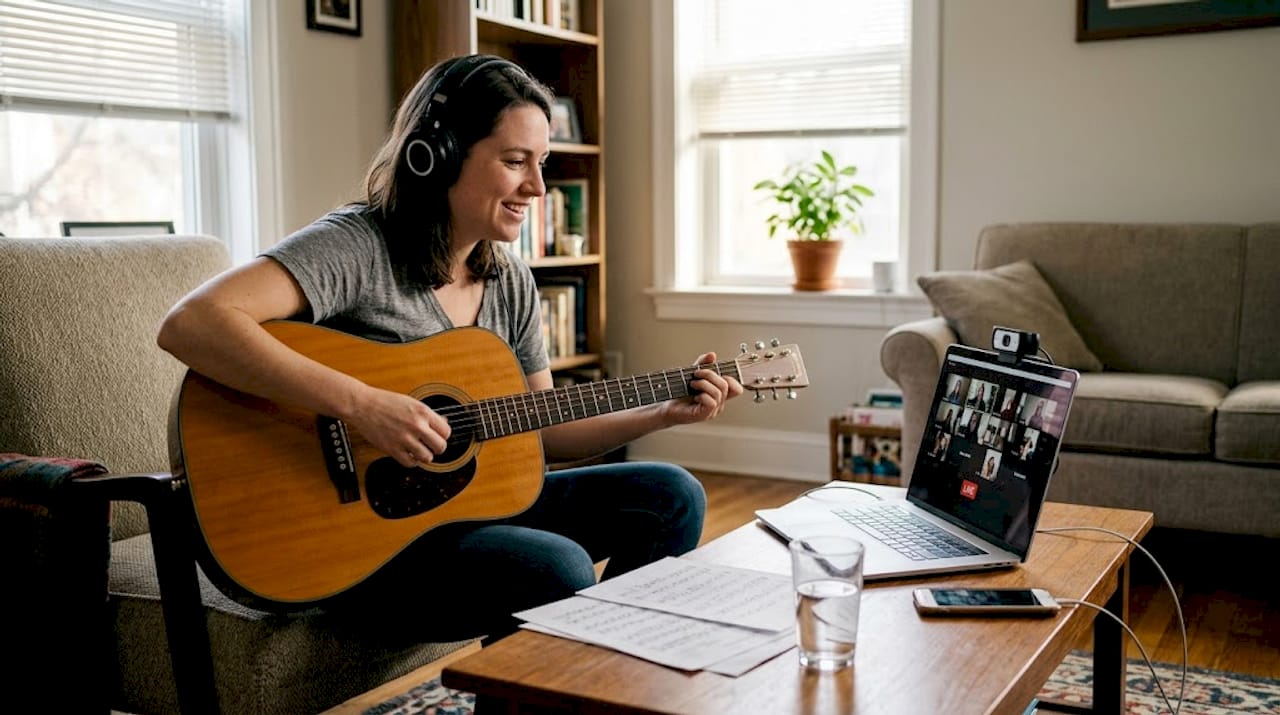
A live digital performance is any musical event delivered to audiences through digital technology in real time. That definition covers a wide range, from a bedroom artist streaming on YouTube to a fully animated avatar concert inside a virtual world. The key word is real time. A pre-recorded video posted online is not a live digital performance. What makes these events special is the sense that something is actually happening right now, even if you are watching from across the world.
There are several distinct formats. A livestream concert is the most familiar: an artist performs on a stage or in a studio, and cameras broadcast the show to viewers on platforms like YouTube, Twitch, or Instagram Live. An avatar-based concert takes things further, placing a digital representation of the artist inside a virtual world like Fortnite or Roblox, where fans can interact with the environment around them. A hologram performance uses projection technology to create the illusion of a physical presence, sometimes featuring artists who have passed away.

Live digital performances can involve avatars, holograms, or artists livestreamed in real time to audiences across multiple platforms, each offering a different level of immersion and interactivity. Exploring artist profiles in 2026 shows just how many musicians are now building their entire brand around digital-first performance strategies.
Here is a quick comparison to help frame the difference:
| Feature | Physical concert | Live digital performance |
|---|---|---|
| Audience size | Limited by venue | Potentially unlimited |
| Accessibility | Requires travel | Available anywhere |
| Interactivity | Crowd energy, movement | Chat, virtual reactions |
| Visual effects | Stage production | Unlimited digital graphics |
| Cost to attend | Ticket plus travel | Often free or low cost |
Key formats of live digital performances include:
- Livestreamed shows on YouTube, Twitch, and social platforms
- Avatar concerts inside gaming environments like Fortnite and Roblox
- VR concerts in dedicated virtual reality spaces
- Hologram tours featuring real or recreated artist likenesses
- Hybrid events combining a physical stage with a live digital broadcast
Each format carries its own energy and audience expectation. Understanding the differences helps fans choose the experience that fits them, and helps artists decide which format serves their creative vision best.
The technology behind the experience
Every live digital performance runs on a stack of technology, and the complexity varies enormously depending on the format. At the simpler end, a basic livestream needs a camera, a microphone, a stable internet connection, and a streaming platform account. That is genuinely accessible for most independent artists today.
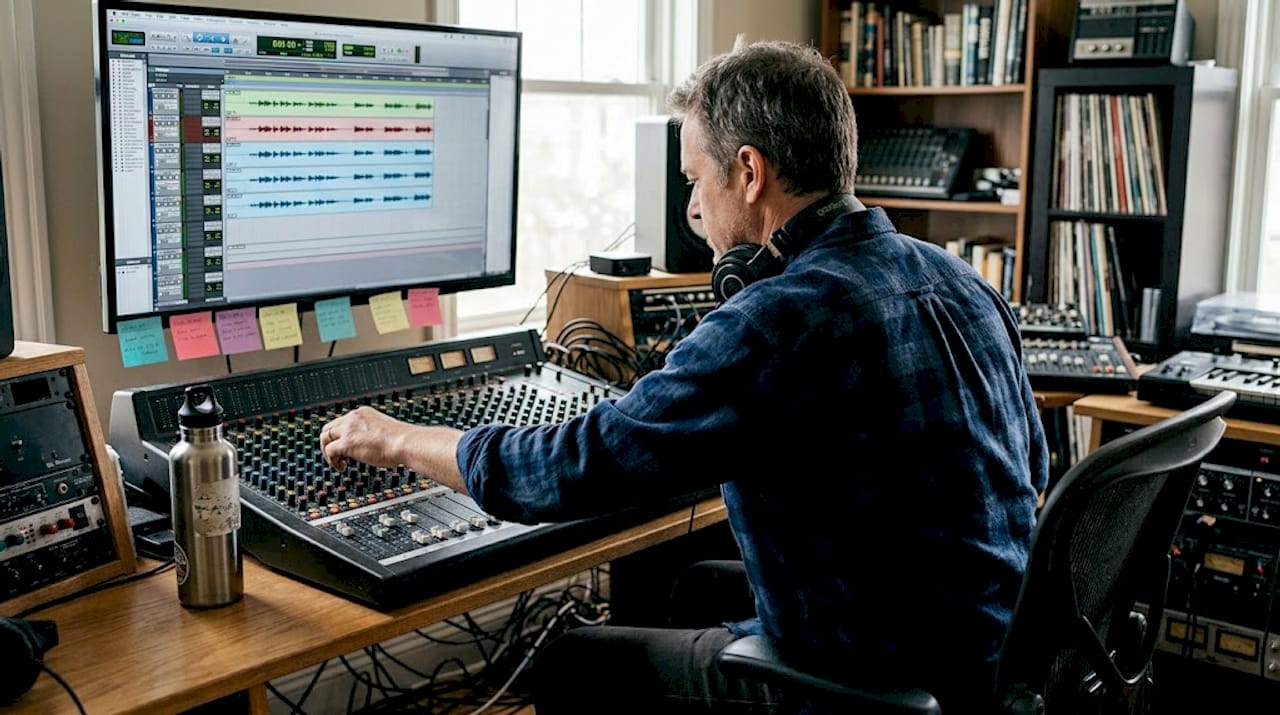
Move up the scale, and things get significantly more involved. Avatar-based concerts require real-time 3D rendering engines, motion capture technology, and integration with gaming platforms that can handle millions of simultaneous users. VR concerts add spatial audio and headset compatibility to the mix. Hologram shows are the most resource-intensive of all, often requiring custom projection screens, precise lighting control, and months of production work.
Metaverse concerts face latency and audio synchronization challenges, and hologram productions can carry enormous costs that put them out of reach for most independent artists. Latency, the delay between a sound being made and a viewer hearing it, is one of the most persistent headaches in digital concert technology. Even a fraction of a second of delay can break the feeling of being present at a live event.
Here is a breakdown of what different performance formats typically require:
| Format | Core technology | Key challenge |
|---|---|---|
| Basic livestream | Camera, mic, streaming app | Stable internet connection |
| Avatar concert | 3D engine, motion capture | Real-time rendering load |
| VR concert | Spatial audio, VR headsets | Headset accessibility |
| Hologram show | Projection, lighting rig | Production cost and setup |
Understanding music event latency issues is increasingly important as the industry moves toward more ambitious digital formats. Artists and production teams who stay ahead of music industry trends 2026 are already investing in better audio pipelines and redundancy systems to keep shows running smoothly.
Pro Tip: Before any major digital performance, artists should run a full technical rehearsal that tests latency, audio sync, and platform stability under realistic audience load conditions. Catching a sync problem during rehearsal is far better than discovering it live in front of thousands of fans.
How do digital and physical concerts compare?
For fans and artists, the core question is simple: does a digital concert actually feel like a concert? The honest answer is that it depends on what you are measuring.
Research gives us some clear signals. An empirical study found higher emotional arousal and music appreciation in live physical audiences compared to those watching via livestream. Heart rate increases, goosebumps, and the feeling of being swept up in a crowd are physiological responses that digital formats struggle to replicate. The concert experience research points to physical co-presence as a key driver of emotional intensity.
That said, digital concerts offer real advantages that physical shows simply cannot match:
- Global reach. A fan in a remote town with no nearby venues can attend a major concert in real time.
- Visual creativity. Digital environments allow effects that are physically impossible on a real stage.
- Instant replay and interaction. Viewers can rewatch moments, share clips, and interact through chat in ways that physical audiences cannot.
- Affordability. Many digital events are free or far cheaper than a physical ticket.
- Accessibility. Fans with mobility limitations or health conditions can participate fully.
“Studies consistently show that mean heart rate and emotional engagement are measurably higher in physical concert settings compared to digital viewing, suggesting that the body responds to physical co-presence in ways technology has not yet replicated.”
The impact of digital releases on audience building shows that digital formats are powerful tools for discovery and reach, even if the emotional peak of the experience differs from being in the room. Hybrid models, where a physical show is simultaneously broadcast to a global digital audience, are increasingly seen as the most balanced solution. Artists get the energy of a live crowd, and fans everywhere get access.
Benefits and challenges for artists and fans
Live digital performances bring genuine joy to fans who would otherwise never get to experience certain artists. A teenager in a small town, a fan with a disability, or someone who simply cannot afford a concert ticket can all participate. That is a real and heartwarming benefit that the music community should celebrate.
The advantages are meaningful:
- No geographic barriers. Artists can reach global audiences without touring costs.
- Lower ticket prices make music more inclusive and accessible.
- Creative freedom in virtual environments allows for performances that defy physical limits.
- Data and analytics give artists direct insight into who is watching and how they engage.
- New revenue streams through digital merch, virtual meet-and-greets, and platform partnerships.
But the challenges are equally real. Global accessibility and the removal of socioeconomic barriers are genuine wins, yet the format also raises concerns about authenticity and commercial fairness for smaller artists. Platforms take significant revenue cuts, and smaller acts often struggle to stand out in a fragmented digital landscape.
Ethical questions are also emerging. Hologram performances of deceased artists raise deep questions about consent and artistic legacy. Data privacy is another concern, as digital platforms collect detailed behavioral data from every viewer.
For indie artists, music platforms for independent artists offer guidance on navigating these commercial realities. Finding the right platform for music discovery for artists can make the difference between a digital show that builds a loyal fanbase and one that disappears into the noise.
Pro Tip: Indie artists should treat digital performances as relationship-building opportunities, not just broadcast events. Engaging directly in chat, offering exclusive digital content, and following up with fans after the show creates the kind of authentic connection that keeps audiences coming back.
A fresh perspective: why live digital performances matter and where they fall short
Here is an honest take: the music industry sometimes oversells digital concerts as a full replacement for physical ones, and that is a mistake worth calling out. The research is clear that “liveness” exists on a spectrum, and physical co-presence drives emotional responses that technology has not yet learned to simulate. The sweat, the crowd, the shared moment of a favorite song dropping live, those things are irreplaceable.
But dismissing digital performances as lesser is equally wrong. They are a different kind of experience, not a worse one. They open doors for artists and fans who would otherwise be shut out entirely. The most exciting future is not digital versus physical. It is hybrid. Artists who learn to use both formats as creative tools, rather than treating one as a substitute for the other, will be the ones who build the most meaningful connections with their audiences. Staying informed about future music trends is the best way to navigate this evolving landscape with confidence and creativity.
Discover and support live digital performances
If the world of live digital performances has you feeling inspired, there are so many ways to get involved and show your support for the artists shaping this new era of music.
BlockTone Records is your home base for discovering emerging and established artists who are pushing the boundaries of digital performance. Whether you are looking to explore new sounds through music discovery or want to learn more about how artists are sharing their work through music distribution tips, BlockTone has the resources and community to guide you. Jump in, explore, and support the artists who are bringing live music to every corner of the world.
Frequently asked questions
Do live digital performances replace in-person concerts?
No. Digital performances offer new access and unique experiences, but empirical data shows higher emotional response in physical concerts, making them distinct and irreplaceable experiences.
Where can I watch live digital performances?
Virtual concerts commonly take place on platforms like YouTube, Twitch, Fortnite, Roblox, and dedicated VR concert apps, with new venues emerging regularly.
How do artists make money from live digital performances?
Artists earn through ticket sales, digital merchandise, viewer tips, and brand partnerships, with significant revenue potential tied directly to audience size and engagement.
Are hologram performances considered live digital performances?
Yes. Hologram shows with virtual representations of artists, whether living or deceased, are recognized as a form of live digital performance.
What are common challenges for live digital performances?
Virtual concerts may suffer latency and audio sync problems along with technology access barriers and the difficulty of replicating the energy of a physical crowd.