

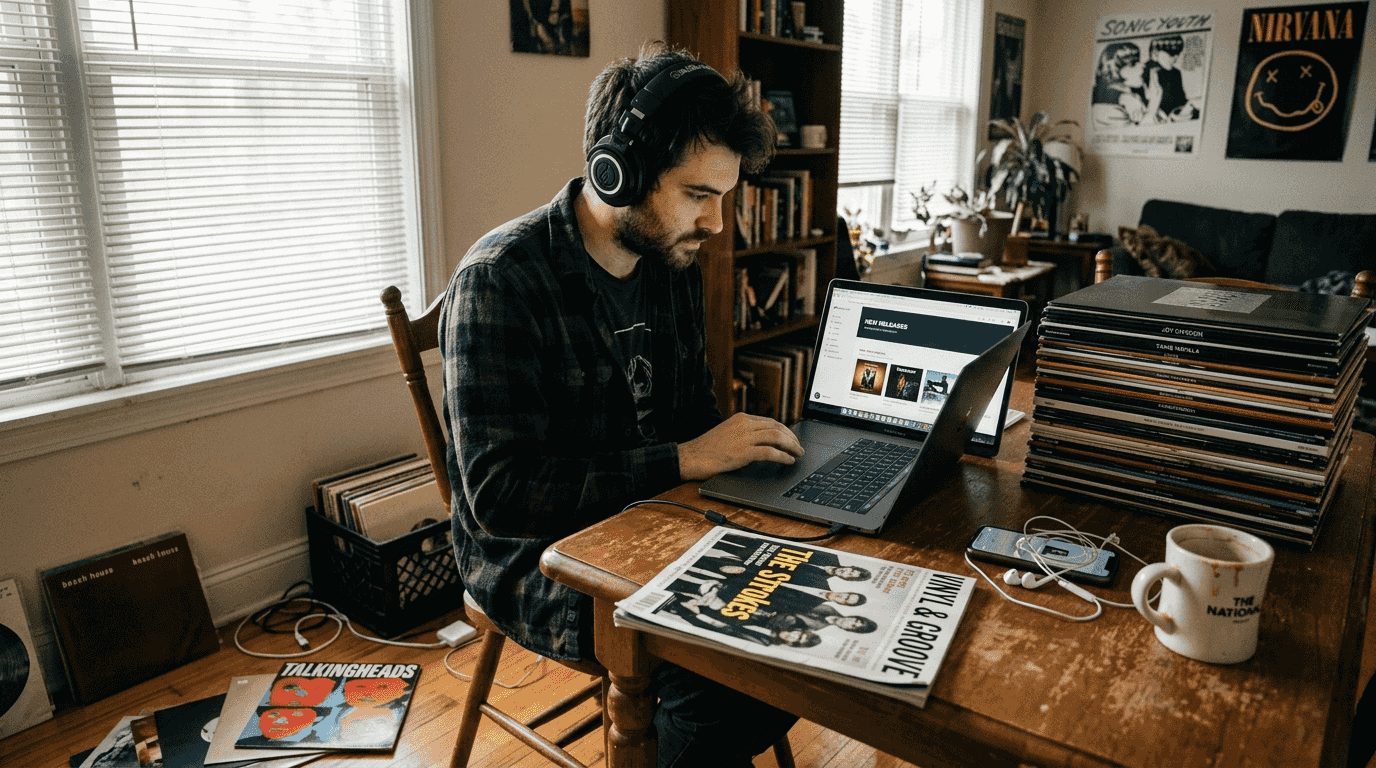
Master your music discovery workflow for new releases
Tired of hearing the same songs on repeat while fresh, exciting artists remain hidden? You’re not alone. Many music fans feel trapped in algorithmic loops that prioritize viral hits over genuine discovery. The solution lies in building a hybrid workflow that combines streaming algorithms, community platforms, human curation, and direct fan engagement. This guide walks you through a proven system to uncover new releases and emerging artists in 2026, helping you break free from recommendation bubbles and connect with music that truly resonates.
Table of Contents
- Understanding The Music Discovery Problem And Preparing Your Tools
- Building Your Step-By-Step Music Discovery Workflow
- Utilizing Direct-To-Fan Platforms For Deeper Engagement And Exclusive Content
- Measuring And Verifying Your Discovery To Maintain A Fresh And Balanced Playlist
- Discover More Music And Support Emerging Artists With BlockTone Records
Key takeaways
| Point | Details |
|---|---|
| Hybrid approach wins | Combining algorithms, human curation, and live experiences prevents filter bubbles and surfaces diverse artists |
| Platform diversity matters | Using multiple discovery sources like Bandcamp, SoundCloud, and Spotify reveals emerging talent algorithms miss |
| Direct engagement deepens discovery | Fan platforms offer exclusive releases and perks that streaming services can’t provide |
| Regular verification sustains quality | Tracking playlist variety and implementing burn-in periods keeps your music fresh and exciting |
Understanding the music discovery problem and preparing your tools
Relying solely on streaming algorithms creates a frustrating cycle. Algorithms amplify virality but limit diversity by favoring established artists and viral content over emerging talent. This bias hits classical music and niche genres especially hard, creating cold-start problems where new artists struggle to gain visibility. Local musicians and experimental creators often disappear entirely from recommendation feeds, leaving listeners stuck in repetitive loops.
The root issue stems from how music streaming platforms optimize for engagement metrics rather than genuine discovery. Systems reward tracks that keep you listening, not necessarily music that expands your horizons. Filter bubbles form quickly, reinforcing your existing preferences while blocking fresh sounds. Breaking free requires intentional diversification of your discovery sources.
Building an effective workflow starts with assembling the right toolkit. You need multiple platforms working together to overcome individual limitations.
Essential discovery platforms:
- Spotify Release Radar for personalized algorithmic recommendations
- Bandcamp for label browsing and community-curated collections
- SoundCloud for emerging artist uploads and genre exploration
- Sona or Sticx for human-curated playlist recommendations
- EVEN and Garforfans for direct-to-fan exclusive content
Each platform serves a distinct purpose in your discovery ecosystem. Spotify handles the algorithmic baseline, community platforms surface grassroots talent, curation apps provide expert guidance, and direct-to-fan services deepen artist connections. Setting up accounts across these services takes 30 minutes but transforms your music discovery capabilities.
| Platform Type | Primary Strength | Best For |
|---|---|---|
| Algorithmic streaming | Personalized recommendations based on listening history | Finding similar artists to favorites |
| Community platforms | Grassroots curation and emerging artist uploads | Discovering unknown talent and niche genres |
| Human curation apps | Expert playlist creation and genre expertise | Trusted recommendations outside your bubble |
| Direct-to-fan services | Exclusive releases and artist interaction | Deepening engagement with discovered artists |
Pro Tip: Create separate playlists for each discovery source to track which platforms surface your favorite finds, helping you refine your workflow over time.
Preparing your accounts properly maximizes discovery potential. Follow diverse labels on Bandcamp, subscribe to genre-specific channels on SoundCloud, and enable notifications for curated playlist updates. This foundational setup ensures fresh content flows consistently into your discovery pipeline. The guide to discovering new music provides detailed platform-specific setup instructions.
Building your step-by-step music discovery workflow
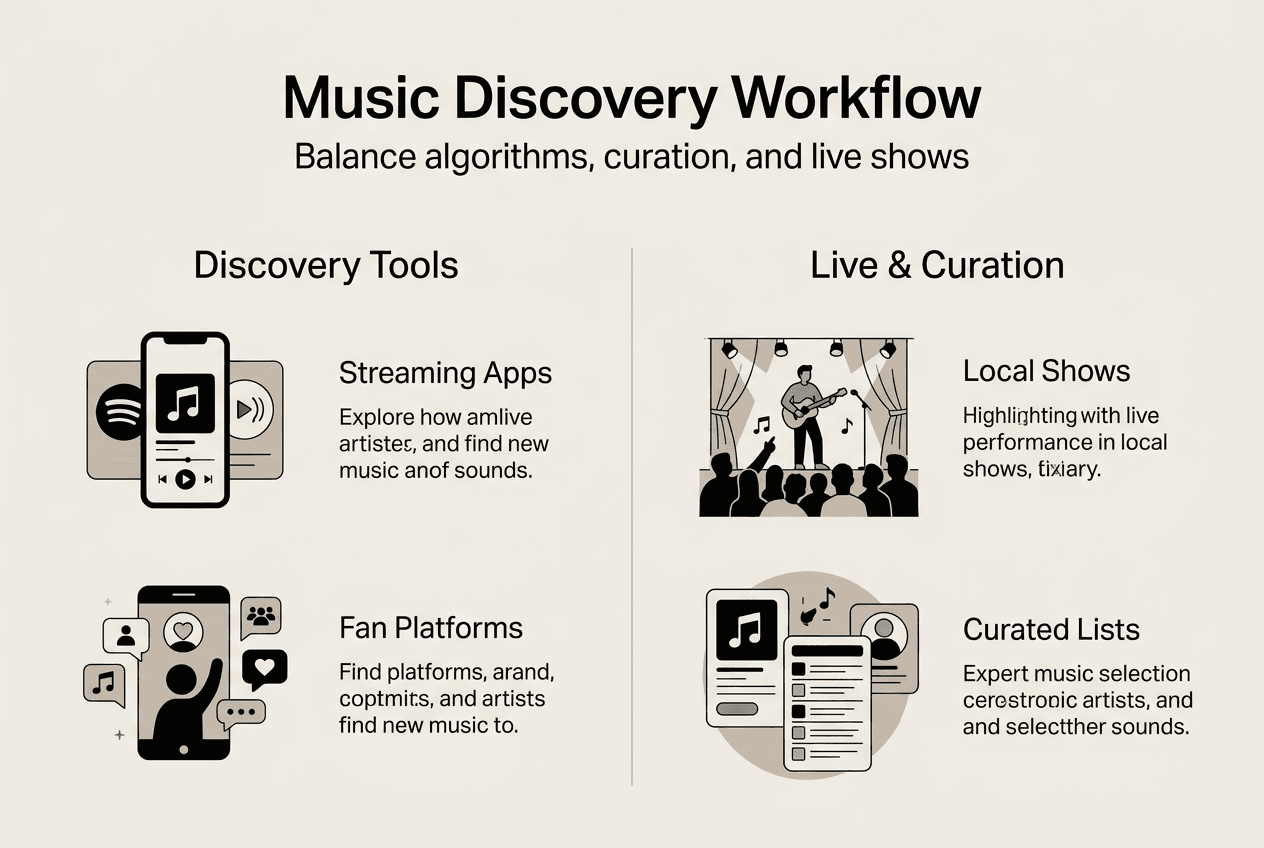
A systematic approach prevents overwhelm and ensures consistent results. Expert workflows combine genre-hopping, label browsing, curated playlists, live shows, and metadata analysis to escape filter bubbles. Following this sequence weekly keeps your playlist fresh without consuming excessive time.
Your weekly discovery routine:
- Check Spotify Release Radar every Friday for algorithmic new releases tailored to your listening patterns
- Browse three Bandcamp labels outside your usual genres to find community-curated emerging artists
- Explore SoundCloud genre tags and repost chains to discover grassroots talent before they break mainstream
- Review two human-curated playlists from Sona or music blogs for expert recommendations
- Attend one live show or streaming event monthly to experience artists in real-time and assess their performance energy
- Analyze artist credits and album aesthetics for production clues that lead to linked creators and collaborators
- Rotate one unfamiliar genre into your rotation to prevent algorithmic overfitting and refresh your musical palate
This step-by-step approach balances automation with intentional exploration. Algorithmic tools handle the baseline while manual curation adds depth and variety. The key lies in consistent execution rather than perfection. Even completing half these steps weekly dramatically improves discovery outcomes.
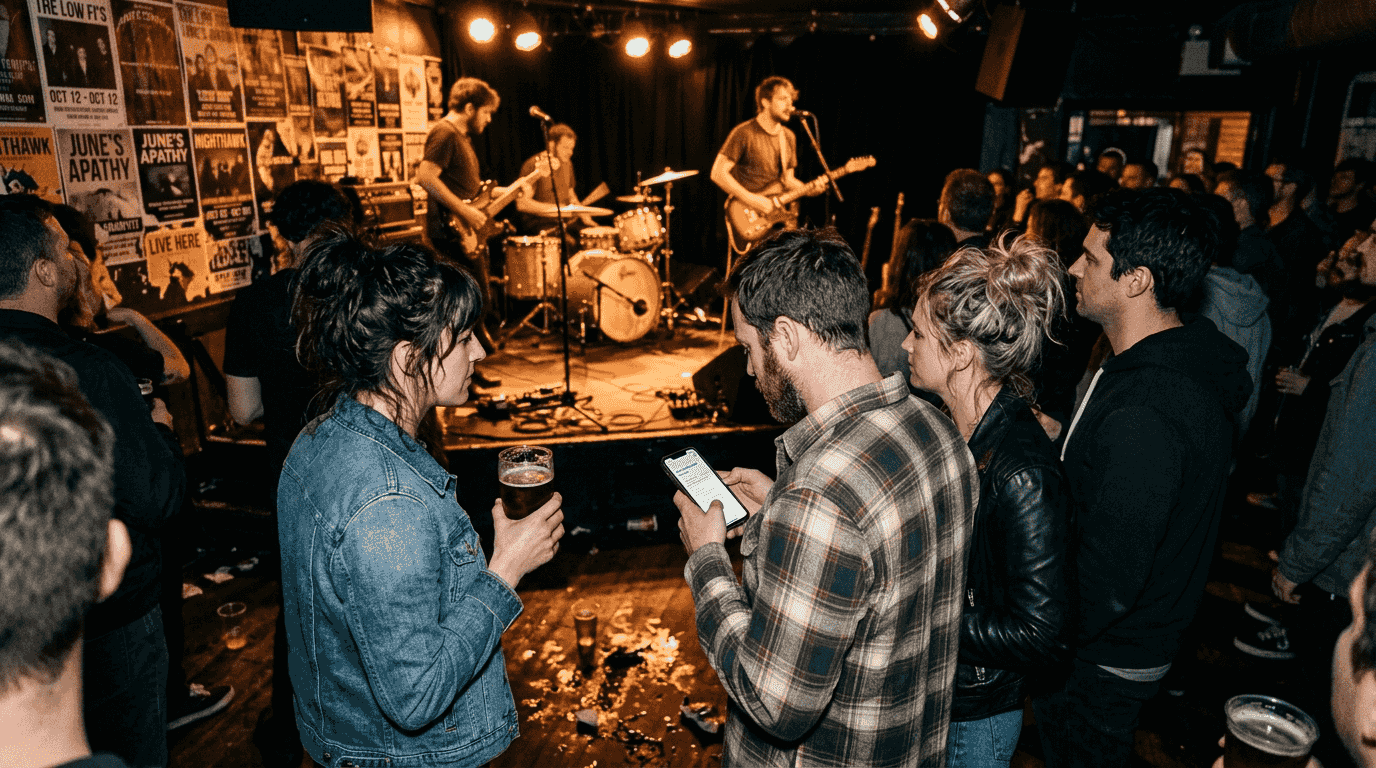
Live experiences deserve special emphasis in your workflow. Streaming events and local shows reveal artist authenticity that recordings can’t capture. You notice stage presence, audience connection, and improvisational skills that indicate genuine talent. Many breakthrough artists gain early followings through live performance buzz before algorithmic systems recognize them. Attending shows also connects you with fellow music enthusiasts who share recommendations organically.
Metadata analysis unlocks hidden discovery pathways. Checking producer credits reveals the sonic architects behind your favorite tracks. Album artwork and visual aesthetics signal genre boundaries and creative communities. Liner notes mention collaborators and influences worth exploring. This detective work surfaces artists algorithms miss because it follows human creative networks rather than listening pattern correlations.
Pro Tip: Set a burn-in period of two weeks for new discoveries, listening to tracks at least three times before deciding if they truly resonate, preventing both hasty dismissals and temporary infatuations.
Genre rotation prevents the algorithmic overfitting that creates filter bubbles. Spending one week exploring jazz, the next diving into electronic, then switching to indie rock confuses recommendation systems in productive ways. Your profile becomes harder to categorize, forcing algorithms to suggest more diverse options. This intentional genre-hopping also develops your musical vocabulary and appreciation for cross-genre influences. Showcasing new music becomes easier when you understand multiple genre contexts.
The workflow adapts to your schedule and preferences. Busy weeks might focus on algorithmic and curated sources, while free weekends allow deeper label exploration and live event attendance. Consistency matters more than rigid adherence. Building discovery habits ensures you always have fresh music in your pipeline, transforming passive listening into active exploration. Music event updates help you plan live discovery opportunities around your calendar.
Utilizing direct-to-fan platforms for deeper engagement and exclusive content
Direct-to-fan platforms transform discovery from passive listening into active participation. Platforms like EVEN and Garforfans enable fan-artist interactions with exclusive perks, fostering deeper engagement beyond streaming. These services offer content unavailable on traditional platforms, creating compelling reasons to follow discovered artists more closely.
Exclusive releases form the core value proposition. Artists drop early tracks, alternate versions, and unreleased demos to platform subscribers before streaming availability. You gain insider access to creative processes and unfinished works that reveal artistic evolution. This exclusivity rewards discovery efforts with unique content that casual listeners never encounter. Supporting emerging artists through these platforms directly funds their creative work, creating a virtuous cycle where your engagement enables more music production.
Direct-to-fan platform benefits:
- Early access to singles and albums before public release dates
- Behind-the-scenes content including studio sessions and creative commentary
- Community forums for fan discussion and artist interaction
- Exclusive merchandise and limited edition physical releases
- Live streaming events and virtual meet-and-greets
- Voting rights on setlists, artwork, and creative decisions
Subscription models deepen ongoing engagement beyond one-time purchases. Monthly tiers provide sustained support while unlocking progressive perks. Basic tiers might offer early releases, while premium levels include personalized interactions and exclusive physical goods. This structure helps emerging artists build sustainable income while fans receive proportional value for their support.
These platforms complement streaming discovery by adding depth to artist relationships. You might discover someone through Spotify algorithms, then subscribe to their direct platform for exclusive content. This progression transforms casual listeners into dedicated fans who actively participate in artist success. The role of music platforms extends beyond distribution into community building and direct monetization.
Direct engagement overcomes algorithmic limitations by rewarding loyal fans with curated content. Artists control their release schedules and creative direction without platform interference. You receive notifications for new drops based on explicit subscriptions rather than algorithmic predictions. This direct connection ensures you never miss releases from discovered artists, solving the visibility problems that plague streaming services.
Understanding why artists need music platforms helps you appreciate the mutual benefits. Your subscription provides predictable income that funds recording and touring. Artists gain creative freedom and direct audience feedback. The relationship becomes collaborative rather than transactional, with both parties invested in long-term success. This dynamic particularly benefits emerging artists who lack major label support but possess dedicated followings.
Integrating direct platforms into your music discovery workflow requires minimal effort. After discovering promising artists through community platforms or live shows, check if they maintain direct-to-fan presences. Subscribe to one or two artists monthly based on your budget and engagement level. This selective approach ensures meaningful connections rather than subscription overload. The exclusive content and direct interaction justify the investment for artists you genuinely support.
Measuring and verifying your discovery to maintain a fresh and balanced playlist
Tracking discovery effectiveness prevents workflow drift and maintains excitement. Hybrid workflows balance novelty and familiarity with a burn-in time to prevent overload and keep discovery sustainable. Without verification, you risk recreating the same filter bubbles your workflow aimed to escape.
Diversity metrics reveal whether your discovery efforts truly expand musical horizons. Track the variety of genres, record labels, and artist origins in your playlists. Calculate the percentage of emerging versus established artists. Monitor how many discoveries come from each platform source. These measurements expose blind spots and platform biases that require adjustment.
Playlist health indicators:
- Genre distribution across at least five distinct categories
- Label variety including 30% or more independent releases
- Geographic diversity representing multiple countries and regions
- Artist career stages mixing emerging, mid-tier, and established acts
- Discovery source balance preventing over-reliance on single platforms
Comparison tables help visualize discovery source performance. Tracking which platforms surface your most-played discoveries guides future effort allocation. You might find Bandcamp consistently delivers while SoundCloud disappoints, suggesting workflow adjustments. This data-driven approach optimizes your discovery system over time.
| Discovery Source | Tracks Added | Still Playing After 30 Days | Success Rate |
|---|---|---|---|
| Spotify Release Radar | 20 | 8 | 40% |
| Bandcamp label browsing | 15 | 11 | 73% |
| Human curated playlists | 12 | 9 | 75% |
| Live show discoveries | 8 | 7 | 88% |
| SoundCloud exploration | 18 | 5 | 28% |
Implementing burn-in periods prevents hasty judgments on new discoveries. Give tracks three listens across two weeks before making keep-or-delete decisions. Initial reactions often mislead, with challenging music revealing depth over time. Conversely, immediately catchy tracks sometimes lose appeal quickly. The burn-in period separates genuine favorites from temporary novelties.
Regular playlist audits maintain freshness and prevent stagnation. Monthly reviews identify overplayed tracks that need rotation and stale discoveries that never clicked. Remove bottom 20% performers to make room for new finds. This pruning keeps playlists dynamic and prevents the accumulation of mediocre tracks that dilute overall quality. Your music discovery guide should evolve as your tastes develop.
Pro Tip: Use playlist visualization tools like Obscurify or Stats for Spotify to map your listening diversity, revealing genre gaps and overplayed artists that indicate filter bubble formation.
Visualization tools provide objective discovery assessments. They map your listening patterns against broader user bases, showing whether your taste remains mainstream or ventures into obscure territory. Genre radar charts reveal concentration versus distribution. Artist popularity scores indicate your balance between established and emerging acts. These metrics quantify discovery success beyond subjective feelings.
Sustaining discovery momentum requires periodic workflow adjustments. If certain platforms stop delivering quality finds, reduce their priority or explore alternatives. When specific genres feel exhausted, rotate new categories into your exploration schedule. Discovery remains dynamic rather than static, with your workflow adapting to changing tastes and platform ecosystems. Music event updates introduce new discovery opportunities worth integrating into your routine.
Balancing novelty with familiarity prevents discovery fatigue. Allocating 70% of listening time to proven favorites and 30% to new discoveries maintains enjoyment while expanding horizons. Too much novelty creates overwhelm, while excessive familiarity breeds boredom. This ratio provides enough stability to appreciate challenging new music without abandoning the sounds you love. Adjust percentages based on your adventure tolerance and available mental bandwidth.
Discover more music and support emerging artists with BlockTone Records
Ready to apply your new discovery workflow? BlockTone Records provides the perfect platform to put these strategies into practice. Our curated catalog features emerging artists across multiple genres, offering the diversity your workflow demands. Explore hand-selected playlists that complement algorithmic recommendations, ensuring you never miss breakthrough talent.
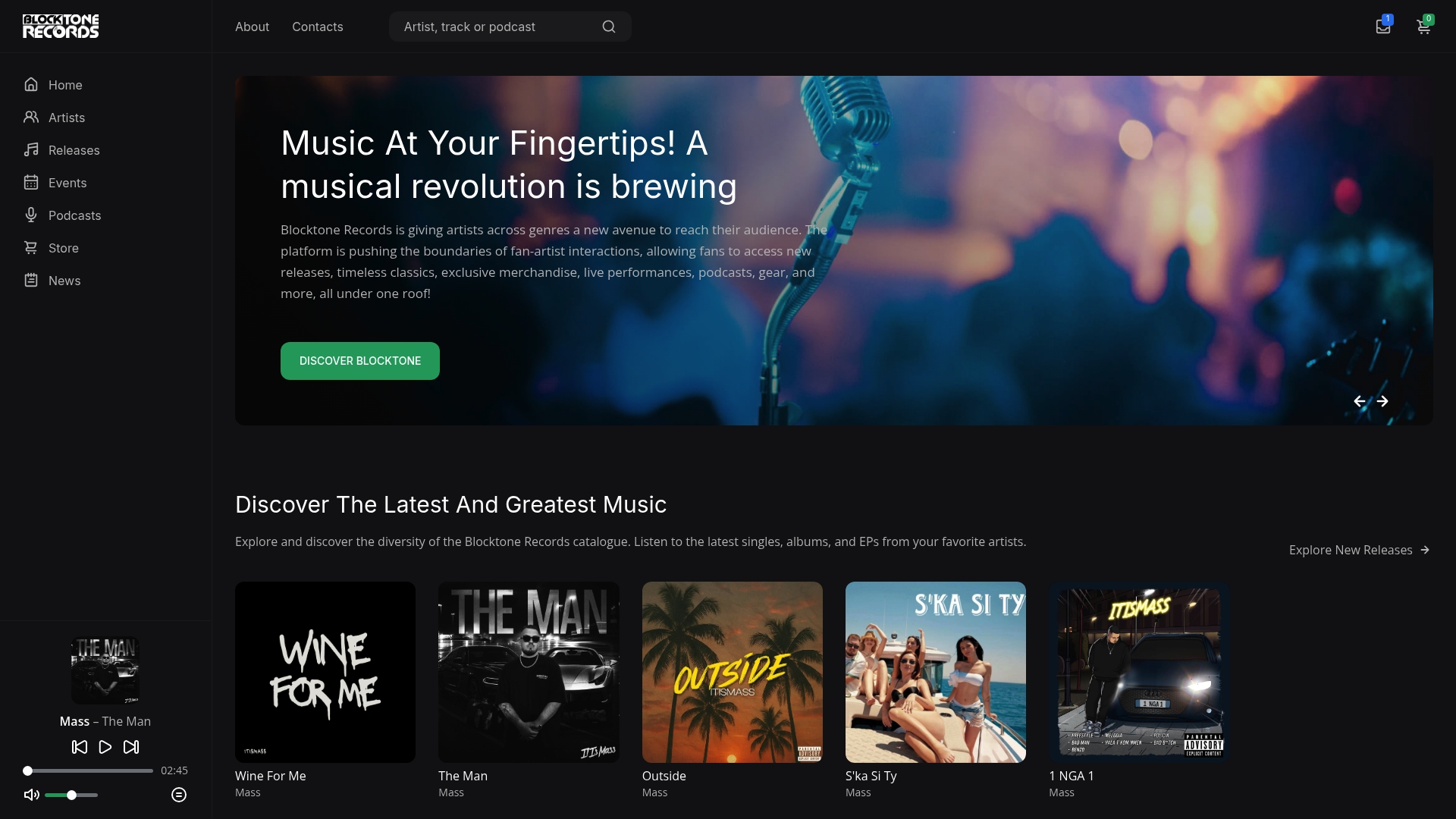
Our platform combines streaming convenience with direct artist support, bridging the gap between discovery and engagement. Browse new releases organized by genre and mood, then dive deeper into artist profiles featuring exclusive content and merchandise. The music discovery tools we provide help you track favorites and build custom playlists that reflect your expanding taste. Join a community of music enthusiasts who value authentic discovery over algorithmic convenience, and start uncovering new music that streaming services overlook.
Frequently asked questions
What are the best platforms for discovering emerging artists?
Bandcamp excels for label browsing and community curation, while SoundCloud surfaces grassroots uploads before mainstream recognition. Direct-to-fan platforms like EVEN and Garforfans provide exclusive releases and deeper artist connections. Combine these with Spotify Release Radar for algorithmic balance, creating a comprehensive discovery ecosystem.
How can I avoid filter bubbles when discovering new music?
Diversify discovery sources by rotating between algorithmic streaming, community platforms, human curated playlists, and live events. Intentionally explore unfamiliar genres monthly and analyze artist metadata for variety. Track playlist diversity metrics to verify your workflow prevents algorithmic overfitting and maintains genuine musical exploration.
What are direct-to-fan platforms and how do they enhance music discovery?
These services connect fans directly with artists through subscription models offering exclusive releases, early access, behind-the-scenes content, and community interaction. They bypass streaming algorithms entirely, ensuring you never miss content from discovered artists. Supporting artists through these platforms funds creative work while providing unique content unavailable elsewhere.
How often should I dedicate time to music discovery?
Weekly discovery sessions lasting 30 to 60 minutes maintain playlist freshness without overwhelming your schedule. Check algorithmic recommendations Friday, browse community platforms mid-week, and attend monthly live events. Consistency matters more than duration, with regular small efforts outperforming occasional marathon sessions.
How do I know if my discovery workflow is working?
Track diversity metrics including genre variety, label distribution, and artist career stages in your playlists. Monitor which discovery sources surface tracks you still play after 30 days. If 60% or more of new discoveries remain in rotation after a month, your workflow succeeds. Adjust platform priorities based on success rates.