


Music marketing checklist to boost success in 2026
Choosing the right music marketing strategies can feel overwhelming when you’re bombarded with endless platform options, promotional tools, and conflicting advice. A structured checklist cuts through the noise, helping you focus on tactics that actually move the needle for your music career. This guide walks you through expert-backed steps to build a marketing plan that fits your goals, budget, and audience in 2026.
Table of Contents
- Setting Criteria For Your Music Marketing Plan
- Essential Music Marketing Tactics For 2026
- Comparing Marketing Channels: Strengths And Considerations
- Deciding Your Personalized Music Marketing Action Plan
- Explore Expert Music Marketing Support And Resources
- Frequently Asked Questions
Key takeaways
| Point | Details |
|---|---|
| Strategic planning matters | Effective music marketing requires clear goals, audience understanding, and resource allocation aligned with your career stage. |
| Digital distribution is essential | Streaming platforms and online channels remain the foundation for reaching listeners and building sustainable music careers. |
| Consistent engagement drives growth | Regular content, fan interaction, and coordinated promotion across channels create momentum and deepen audience connections. |
| Data guides smart adjustments | Monitoring performance metrics and adapting your approach based on results maximizes return on effort and investment. |
Setting criteria for your music marketing plan
Before diving into tactics, establish clear evaluation criteria to guide your marketing decisions. Strategic planning is crucial for effective music marketing, and the right framework prevents wasted effort on activities that don’t serve your specific situation.
Start by defining your target audience with precision. Who listens to your genre? What platforms do they use daily? Understanding listener demographics, behavior patterns, and preferences shapes every marketing choice you make. Your musical identity also matters because authentic positioning attracts the right fans and differentiates you in crowded markets.
Set measurable goals that reflect your current career stage. New artists might prioritize building initial streams and followers, while established musicians focus on conversion metrics like merchandise sales or ticket purchases. Vague aspirations like “get more fans” don’t provide actionable direction, but specific targets like “gain 5,000 monthly Spotify listeners in six months” create accountability.
Assess your budget and resources honestly. Marketing doesn’t require massive spending, but you need clarity on what you can invest in time, money, and creative energy. A solo artist with limited funds prioritizes different channels than a band with label support and a dedicated marketing team.
Pro Tip: Create a simple spreadsheet tracking your available weekly hours, monthly budget, and existing assets like email lists or social followers. This inventory reveals realistic capacity and prevents overcommitment to unsustainable marketing activities.
Prioritize platforms where your target audience actively engages with music. If your fans live on TikTok, Instagram becomes secondary. If they attend local shows, invest in community building and live event promotion. Schedule consistent promotion and content release to maintain visibility without burning out. A sustainable rhythm beats sporadic bursts of activity every time.
Essential music marketing tactics for 2026
Once you’ve established criteria, focus on proven tactics that deliver results in today’s digital landscape. Digital distribution and promotion remain among the most effective music marketing methods, forming the foundation of successful campaigns.
Utilize reputable digital music distribution services to place your music on major streaming platforms. Services like DistroKid, TuneCore, or CD Baby handle the technical logistics while you focus on promotion. Distribution alone doesn’t guarantee discovery, but it makes your music accessible when fans search or when playlists consider your tracks.

Leverage social media platforms where your audience congregates. Short-form video content on TikTok and Instagram Reels drives discovery through algorithm-friendly formats. Behind-the-scenes content, snippet previews, and authentic storytelling build connection beyond just posting links. Each platform rewards consistent, native content over cross-posted generic updates.
Engage directly with your audience through live streams, Q&A sessions, and interactive content that invites participation. Comment responses, polls, and fan shoutouts transform passive listeners into active community members. This two-way communication creates loyalty that streams alone can’t achieve.
Create press releases for significant milestones like album launches or tour announcements, then submit to music news outlets and blogs covering your genre. Local media often welcomes artist stories, providing credibility and reach beyond your existing network. The key is newsworthy angles, not self-promotional fluff.
Collaborate with playlist curators and submit tracks through official channels like Spotify for Artists. Independent curators on platforms from Apple Music to YouTube also offer placement opportunities. Research playlists matching your sound, then reach out professionally with context about why your music fits their audience.
Pro Tip: Build a media kit including high-quality photos, streaming links, brief bio, and notable achievements. Having professional materials ready accelerates opportunities when curators, journalists, or potential collaborators express interest.
| Tactic | Primary Benefit | Time Investment |
|---|---|---|
| Digital distribution | Platform accessibility | Low (setup only) |
| Social media content | Audience engagement | High (ongoing) |
| Playlist outreach | Discovery boost | Medium (campaigns) |
| Email newsletters | Direct fan connection | Medium (regular) |
Comparing marketing channels: strengths and considerations
Understanding how different channels perform helps you allocate resources strategically. Understanding the varied roles of different marketing channels helps musicians optimize reach and resources, ensuring your efforts compound rather than compete.
Digital streaming platforms offer unmatched reach potential, connecting your music to global audiences through algorithmic recommendations and search. However, standing out requires active promotion since passive uploads rarely gain traction. Streaming works best when combined with external traffic sources driving initial engagement that triggers platform algorithms.
Social media provides direct audience engagement and community building opportunities that streaming platforms can’t match. The trade-off is demanding content requirements and algorithm changes that affect organic reach. Success requires regular posting, trend awareness, and authentic personality that resonates with followers. Different platforms serve different purposes: TikTok for discovery, Instagram for visual storytelling, Twitter for industry networking.
Email newsletters support loyal fan connections with full message control, unlike social platforms where algorithms filter your content. You own your email list, making it the most reliable channel for announcements, exclusive offers, and deeper storytelling. Building a quality list takes time, but engaged subscribers convert at higher rates than social followers. The limitation is discovery, email nurtures existing relationships rather than attracting new fans.
Live events build deeper local support and generate media coverage that online-only strategies miss. Performance opportunities create memorable experiences, merchandise sales, and word-of-mouth promotion. Geographic limitations and logistical demands make touring resource-intensive, but strategic local shows complement digital efforts effectively. Livestreaming bridges physical and digital, expanding event reach beyond venue capacity.
Consider how channels complement each other. Social content teases new releases distributed through streaming platforms. Email announces shows that create content for social media. Integrated approaches multiply impact compared to isolated channel tactics.
| Channel | Best For | Main Limitation |
|---|---|---|
| Streaming platforms | Broad reach, passive listening | Requires external promotion |
| Social media | Engagement, community building | Algorithm dependence, time-intensive |
| Email newsletters | Direct communication, conversions | Slow list growth, no discovery |
| Live events | Deep connection, local presence | Geographic limits, logistics |
Deciding your personalized music marketing action plan
Translate framework and channel knowledge into concrete next steps tailored to your situation. Tailoring marketing plans ensures efficient use of resources and maximizes artist reach, turning strategy into measurable results.
- Audit your current marketing efforts and outcomes. Review analytics from streaming platforms, social media insights, and any existing promotional activities. Identify what’s working, what’s underperforming, and where gaps exist. Honest assessment reveals opportunities and prevents repeating ineffective tactics.
- Select channels and tactics aligning with your goals and budget. If building initial awareness is the priority, focus on social content and playlist outreach rather than email marketing to a nonexistent list. Match channel strengths to specific objectives, concentrating effort where impact potential is highest.
- Create a content calendar coordinating promotion across chosen channels. Plan release schedules, social posts, email sends, and promotional campaigns in advance. Coordination ensures consistent messaging and prevents last-minute scrambling. Include lead time for playlist submissions, press outreach, and collaborative opportunities requiring advance notice.
- Set key performance indicators and schedule regular reviews for improvement. Define success metrics for each channel: monthly listeners, engagement rates, email open rates, ticket sales. Monthly or quarterly reviews identify trends, validate tactics, and surface needed adjustments. Data-driven decisions beat guesswork.
- Adjust your plan based on data and fan feedback. Marketing isn’t set-and-forget. Algorithm changes, audience preferences, and industry trends require ongoing adaptation. Stay flexible, test new approaches, and double down on what works while cutting underperformers.
Pro Tip: Start small with two or three channels you can sustain consistently rather than spreading thin across every platform. Mastery and consistency on fewer channels outperform mediocre presence everywhere. Scale gradually as capacity and results justify expansion.
Your personalized plan should feel manageable, not overwhelming. Sustainable marketing builds careers, while burnout derails momentum. Balance ambition with realistic capacity, remembering that consistent modest effort compounds over time into significant results.
Explore expert music marketing support and resources
Building a successful music marketing strategy becomes easier when you have experienced partners supporting your journey. BlockTone Records offers comprehensive music marketing services designed specifically for independent artists navigating today’s complex digital landscape.
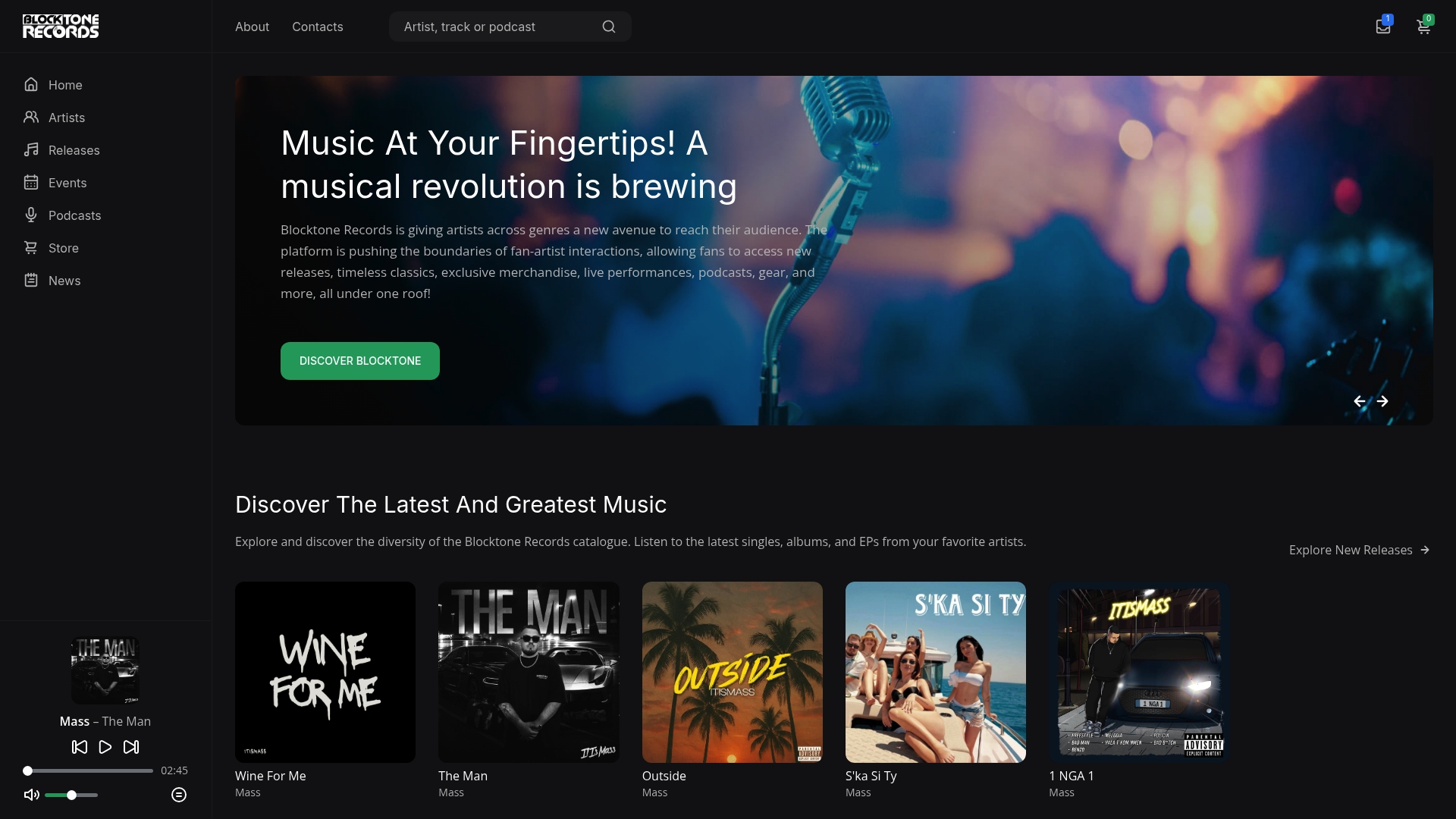
Our platform provides new release promotion, music discovery channels, and distribution guidance that amplify your reach without requiring massive budgets or industry connections. We understand the challenges emerging and established musicians face because we’ve built our services around solving those exact problems. From essential music distribution tips to music discovery strategies for artists, our resources help you make informed decisions at every career stage. Partner with a label focused on elevating independent musicians through practical support, not empty promises.
Frequently asked questions
What is the most important element in a music marketing checklist?
The most important element is defining clear, measurable goals aligned with your current career stage. Without specific objectives, you can’t evaluate which tactics deserve your limited time and budget. Goals provide direction for every subsequent decision, from platform selection to content strategy. Everything else on your checklist should directly support achieving those defined outcomes.
How often should I update my music marketing plan?
Update your marketing plan quarterly or after completing major campaigns like album releases or tours. Regular reviews let you respond to performance data, platform changes, and shifting audience behavior before small issues become big problems. Quarterly timing balances agility with stability, preventing constant reactive changes while maintaining responsiveness. Major milestones warrant immediate assessment regardless of schedule since they provide concentrated learning opportunities.
Which marketing channels offer the best ROI for independent musicians?
Streaming platforms, social media, email newsletters, and local live shows consistently deliver strong ROI when executed well. Streaming provides passive income and discovery potential with minimal ongoing cost. Social media offers free audience building if you invest time in quality content. Email converts engaged fans efficiently once you’ve built a list. Live shows generate multiple revenue streams and deepen fan relationships. The best channel for you depends on your specific goals, audience, and available resources, so test and measure individual results rather than following generic advice.
Can I handle music marketing alone, or should I hire professionals?
Many independent musicians successfully handle marketing themselves, especially early in their careers when budgets are tight and learning the landscape provides valuable knowledge. DIY approaches work when you have time, willingness to learn, and realistic expectations about gradual growth. Professional help becomes worthwhile when your budget allows it and your time is better spent creating music than managing campaigns. Consider your expertise, available hours, and opportunity cost. Hybrid approaches like handling social media yourself while outsourcing complex tasks like PR campaigns or ad management often provide the best balance.
How do I know if my music marketing efforts are working?
Track specific metrics tied to your goals rather than vanity numbers. Growing monthly listeners, increasing engagement rates, rising email open rates, and improving conversion on calls-to-action indicate effective marketing. Compare performance month-over-month and quarter-over-quarter to identify trends beyond normal fluctuations. Fan feedback, direct messages, and qualitative responses also signal resonance that numbers alone might miss. If metrics stagnate or decline consistently, audit your approach and test different tactics. Effective marketing produces measurable improvement over time, even if progress feels slow initially.