

Role of music platforms for artists: maximize success
Music streaming services account for over 80% of global music revenue in 2026. These platforms aren’t just distribution channels anymore. They’re complete ecosystems where artists build careers, connect with fans, and create sustainable income streams. Understanding how to leverage these platforms strategically separates artists who thrive from those who struggle to gain traction.
Table of Contents
- Introduction To Music Platforms In The Modern Industry
- Digital Distribution: How Music Platforms Expand Artist Reach
- Building Fan Engagement Through Platform Features
- Monetization Opportunities Across Music Platforms
- Leveraging Data Insights For Artist Growth
- Common Misconceptions About Music Platforms
- Challenges And Tradeoffs In Music Platform Use
- Explore Blocktone Records To Enhance Your Music Journey
- Frequently Asked Questions About The Role Of Music Platforms For Artists
Key takeaways
| Point | Details |
|---|---|
| Platform dominance | Music platforms control distribution, discovery, and the majority of artist revenue opportunities in 2026. |
| Data-driven growth | Analytics tools on platforms enable targeted marketing that improves campaign returns by approximately 25%. |
| Diversified revenue | Beyond streaming royalties, platforms offer merchandise, exclusives, and experiences that can represent 40% of income. |
| Engagement drives success | Direct fan interaction through platform features increases retention rates and builds sustainable artist careers. |
| Strategic selection matters | Platform choice impacts reach, revenue share, and resource requirements for optimal results. |
Introduction to music platforms in the modern industry
The music industry transformed completely over the past decade. Physical sales gave way to digital streams, and music platforms generate over 80% of global music revenue today. These platforms became the primary way listeners discover new music and how artists reach audiences worldwide.
Think of music platforms as digital record stores, radio stations, and concert venues rolled into one. They handle distribution automatically, connect you with potential fans through algorithms, and provide tools to monetize your work in multiple ways. The shift happened fast, and artists who adapted early gained significant advantages.
Three main platform types dominate the landscape:
- Mainstream streaming services like Spotify and Apple Music offer massive reach but competitive environments
- Specialized platforms like Blocktone Records provide integrated tools for distribution, engagement, and diverse monetization
- Social platforms like TikTok and Instagram that blend music discovery with viral marketing potential
Each platform serves different purposes in your strategy. Spotify excels at algorithmic discovery and playlist placements. Apple Music attracts premium subscribers willing to pay for quality. Blocktone Records combines distribution with direct fan engagement features, merchandise integration, and exclusive content capabilities.
The why artists need music platforms extends beyond simple streaming numbers. These platforms collect listener data, facilitate direct communication with fans, and open revenue streams impossible in the physical era. They also level the playing field somewhat, allowing independent artists to compete with major label releases for listener attention.
Understanding music distribution channels explained helps you make informed decisions about where to focus your energy. Different platforms require different content strategies, marketing approaches, and time investments. Your platform choices should align with your artistic goals, target audience, and available resources.
Digital distribution: how music platforms expand artist reach
Streaming services became the dominant force in music consumption. Your music needs to exist on these platforms to have any chance of reaching modern audiences. The distribution process changed from pressing vinyl and shipping to stores to uploading digital files that instantly become available globally.
Algorithms influence 60 to 70% of what users listen to on major platforms. This creates both opportunity and challenge. The opportunity lies in algorithmic discovery exposing your music to listeners who never heard of you. The challenge comes from understanding how these algorithms work and optimizing your strategy accordingly.
Effective distribution involves several key mechanisms:
- Uploading tracks through aggregators or direct platform relationships
- Optimizing metadata with relevant genres, moods, and descriptive tags
- Targeting playlist placements through editorial pitching and algorithmic optimization
- Maintaining consistent release schedules that signal active artist status to algorithms
- Engaging listeners to trigger positive algorithmic signals through saves, shares, and playlist adds
Consistent releases matter more than most artists realize. Platforms favor active creators who regularly add new content. A single released every six to eight weeks keeps you visible in algorithmic recommendations and gives fans reasons to return. Sporadic releases make it harder to build momentum.
Pro Tip: Release singles strategically before dropping full albums. This approach generates multiple algorithmic opportunities and keeps your name circulating in platform recommendations over extended periods rather than creating one-time spikes.
Simply uploading music guarantees nothing. Thousands of tracks hit streaming platforms daily. Music distribution tips for independent artists emphasize the importance of pairing distribution with active marketing. You need strategies to drive initial listens that trigger algorithmic discovery.
Understanding what is music streaming helps clarify how platforms evaluate and promote content. Streaming platforms track completion rates, save percentages, playlist additions, and skip rates. Strong performance on these metrics signals quality content worth promoting to broader audiences.
Building fan engagement through platform features
Reach means nothing without retention. Converting casual listeners into dedicated fans requires consistent engagement beyond just releasing music. Modern platforms provide tools specifically designed to deepen artist-fan relationships and improve long-term retention rates.
Live streams and exclusive content increase fan retention by 20 to 40%. These features transform passive listeners into active community members invested in your success. The shift from one-way broadcasting to two-way conversation changes everything about how artists build careers.
Platforms offer various engagement features:
- Live streaming capabilities for performances, Q&A sessions, and behind-the-scenes content
- Community chat functions enabling direct artist-fan conversations
- Exclusive release windows for dedicated fans before general availability
- Story features for sharing daily updates and maintaining consistent presence
- Comment sections where artists can respond directly to listener feedback
Blocktone Records built its platform around multi-content engagement options. Beyond streaming, artists can share podcasts, sell merchandise, promote live events, and offer exclusive experiences. This integrated approach keeps fans engaged across multiple touchpoints rather than limiting interaction to music alone.
Engagement breeds loyalty in ways streaming numbers never will. A fan who watches your live stream, buys your merch, and interacts in community spaces becomes invested in your journey. They’re more likely to attend shows, share your music, and support crowdfunding campaigns.
Pro Tip: Schedule regular engagement activities rather than sporadic bursts. Weekly live streams or monthly exclusive releases create anticipation and routine. Fans return when they know what to expect and when to expect it.
Consistent engagement compounds over time. Each interaction strengthens the relationship and increases the likelihood of future engagement. Artists who treat platforms as community spaces rather than just distribution channels build sustainable fanbases that weather industry changes and algorithm updates.
The how to discover new music guide shows how listeners use platform features to find artists. Understanding this perspective helps you optimize your engagement strategy to appear in discovery contexts where serious fans actively search.
Monetization opportunities across music platforms
Streaming royalties represent just one piece of the revenue puzzle. Relying solely on per-stream payments leaves money on the table and creates financial instability. Smart artists diversify income streams using the full range of platform monetization features.
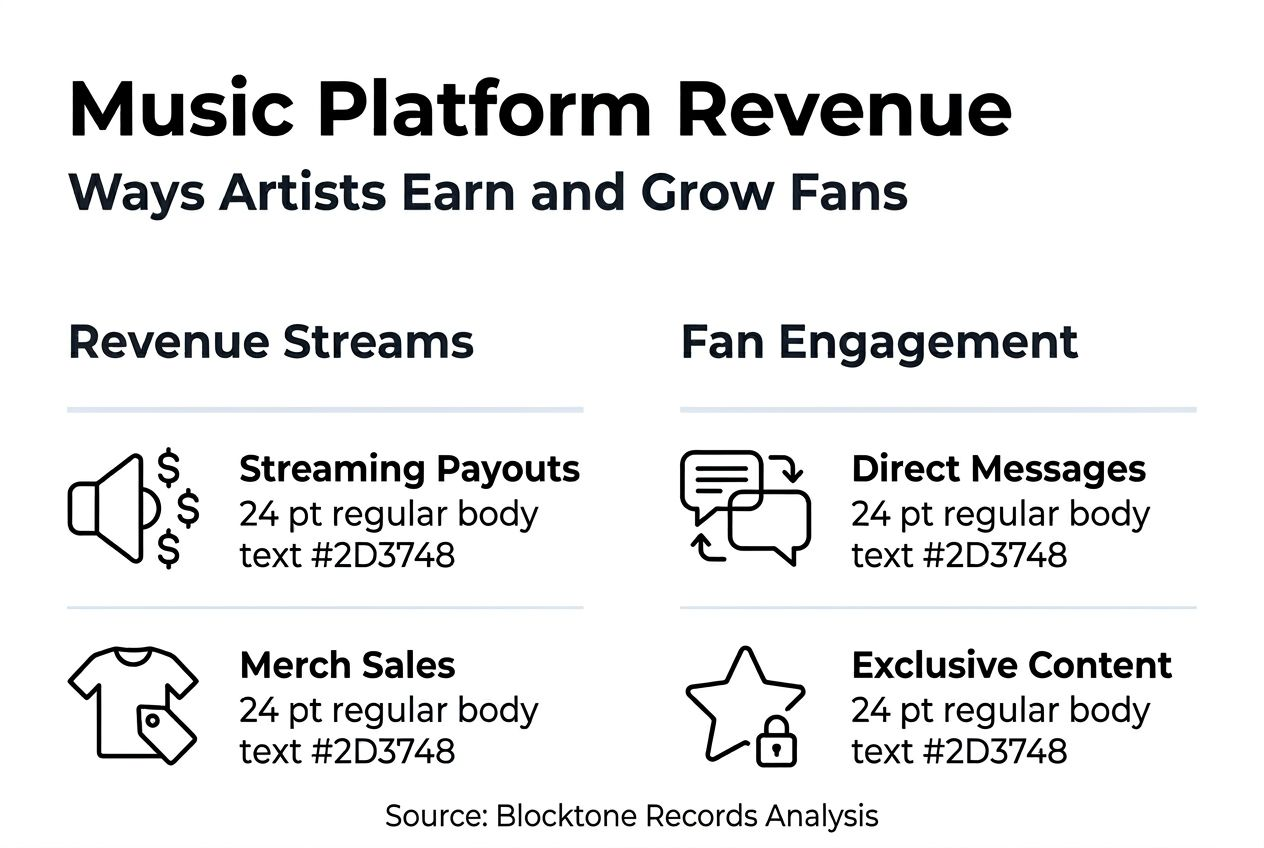
Merchandise sales, exclusive content access, and virtual experiences can generate up to 40% of total artist income on integrated platforms. These revenue sources often provide better margins than streaming royalties and create direct financial relationships with fans.
Platform monetization opportunities include:
- Streaming royalties from plays across services
- Merchandise sales integrated directly into artist profiles
- Exclusive content subscriptions for premium fan tiers
- Virtual concert tickets and meet-and-greet experiences
- Crowdfunding campaigns for albums, tours, or special projects
- Licensing opportunities facilitated through platform partnerships
Subscription and crowdfunding models provide recurring support rather than one-time transactions. A fan paying five dollars monthly for exclusive content generates sixty dollars annually with predictable cash flow. Compare that to the uncertainty of streaming revenue fluctuations.
Diversified revenue streams create financial stability essential for long-term careers. When one source dips, others compensate. Economic downturns might reduce discretionary spending on concerts, but streaming continues. Pandemic lockdowns proved this point dramatically.
Building monetization strategy requires these steps:
- Identify which revenue streams align with your brand and audience preferences
- Set up infrastructure on platforms supporting multiple monetization types
- Create tiered offerings appealing to fans at different spending levels
- Test pricing and features to optimize conversion rates
- Monitor performance and adjust based on what generates best returns
Pro Tip: Bundle offerings to increase perceived value. Combine exclusive tracks with behind-the-scenes content and early merchandise access at attractive subscription prices. Bundles encourage fans to spend more while feeling they receive exceptional value.
The music distribution tips for independent artists emphasize monetization planning as early as distribution setup. Different platforms offer different revenue tools, so choosing platforms aligned with your monetization goals matters from day one.
Leveraging data insights for artist growth
Platform analytics transformed how artists make decisions. Gone are the days of guessing where fans live or which songs resonate strongest. Modern dashboards provide detailed insights enabling data-driven strategies that dramatically improve marketing efficiency.
Using platform analytics improves marketing ROI by approximately 25%. You stop wasting money on broad campaigns targeting everyone and start investing in precise efforts reaching people most likely to engage.
Analytics reveal geographic and demographic listener data you can immediately apply. Discovering 30% of your listeners live in Austin suggests booking shows there rather than random cities. Learning your audience skews 25 to 34 years old helps craft messaging resonating with that demographic.
| Metric Type | Strategic Application |
|---|---|
| Geographic data | Target tour routing, localized marketing campaigns, regional playlist pitching |
| Demographic breakdown | Tailor messaging, select promotional channels, refine brand positioning |
| Listening behavior | Optimize release timing, identify strongest tracks, improve setlist planning |
| Source tracking | Double down on effective discovery channels, cut underperforming marketing |
| Engagement rates | Identify most dedicated fans, create targeted retention campaigns |
Integrated dashboards enable real-time strategic adjustments. Notice a spike in listeners from a particular city? Investigate what caused it and replicate the conditions. See certain tracks getting skipped frequently? Remove them from setlists or rework them for future releases.
Case studies show artists growing fanbases 3x to 5x faster using systematic data analysis compared to intuition-based approaches. One independent artist tracked playlist placements, correlated them with listener spikes, and focused pitch efforts on similar playlists. Six months later, monthly listeners increased from 5,000 to 47,000.
Pro Tip: Export analytics monthly and track trends over time. Single-month snapshots mislead, but six-month trends reveal genuine patterns worth acting on.
The why artists need music platforms extends to these analytical capabilities. Platforms don’t just distribute music anymore. They provide business intelligence tools previously available only to major labels with expensive research budgets.
Deeper insights come from using data analytics for artist growth methodically rather than occasionally checking stats. Successful artists schedule weekly analytics reviews, document observations, and systematically test hypotheses emerging from their data.
Common misconceptions about music platforms
Several myths about digital platforms persist despite evidence contradicting them. These misconceptions cause artists to waste time on ineffective strategies or miss opportunities entirely. Understanding reality helps you avoid common pitfalls.
Uploading music alone guarantees nothing. Thousands of tracks hit streaming services daily. Without promotion driving initial listens, your music disappears into the void regardless of quality. Platforms reward engagement signals, not just availability.
Social media proves less effective than direct platform discovery for sustained fan engagement. Viral TikTok moments create temporary spikes, but algorithmic playlist placements build lasting audiences. Social media works best supporting platform strategy rather than replacing it.
Streaming royalties aren’t the sole income source platforms enable. This misconception causes artists to fixate on play counts while ignoring merchandise, exclusives, and experiences generating better margins. Streaming introduces listeners who then spend money through other channels.
Not all platforms offer identical exposure or monetization potential. Spotify’s massive user base attracts everyone, but niche platforms sometimes convert fans better because audiences actively seek specific genres. Platform selection should match your specific goals rather than defaulting to the biggest names.
Common false beliefs include:
- Great music automatically gets discovered without marketing effort
- More platforms always mean more exposure and income
- Algorithm manipulation tricks provide sustainable growth strategies
- Platform success happens quickly or not at all
- Major label deals remain necessary for platform success
Active marketing and content diversity prove essential for platform success. Artists treating platforms as passive distribution channels struggle. Those viewing platforms as active communities requiring consistent engagement and varied content thrive.
Challenges and tradeoffs in music platform use
Selecting platforms involves real tradeoffs with no universally correct answers. Your optimal strategy depends on goals, resources, and target audience characteristics. Understanding these tradeoffs helps you make informed decisions rather than copying what works for others.
Artists must balance broad reach against niche community focus. Mainstream platforms offer millions of potential listeners but intense competition. Smaller platforms provide dedicated communities more likely to deeply engage but limit total exposure.
| Factor | Mainstream Platforms | Niche Platforms |
|---|---|---|
| Potential reach | Millions of users | Thousands to hundreds of thousands |
| Competition level | Extremely high | Moderate to low |
| Revenue per fan | Lower percentages | Higher percentages |
| Algorithm favoritism | Established artists favored | More equal opportunity |
| Required marketing investment | High to stand out | Moderate |
| Fan conversion rates | Lower | Higher |
Platform tools and revenue models differ significantly. Spotify offers robust playlist ecosystem and discovery features but pays lower per-stream rates. Blocktone Records provides integrated monetization and engagement tools but requires building audience within their ecosystem.
Technical and marketing resource needs vary dramatically. Running campaigns across five platforms multiplies effort and complexity. Focusing on two platforms deeply often produces better results than spreading thin across many.
The why artists need music platforms discussion includes selecting strategically rather than trying to maintain presence everywhere. Quality over quantity applies to platform selection as much as content creation.
Informed selection maximizes success by aligning platform characteristics with your specific situation. Emerging artists might prioritize platforms with strong discovery algorithms and lower competition. Established artists with dedicated fanbases might emphasize platforms offering better monetization tools and direct fan relationships.
Explore Blocktone Records to enhance your music journey
Understanding platform roles matters only if you apply the knowledge strategically. Blocktone Records built an integrated solution addressing the challenges and opportunities discussed throughout this article.
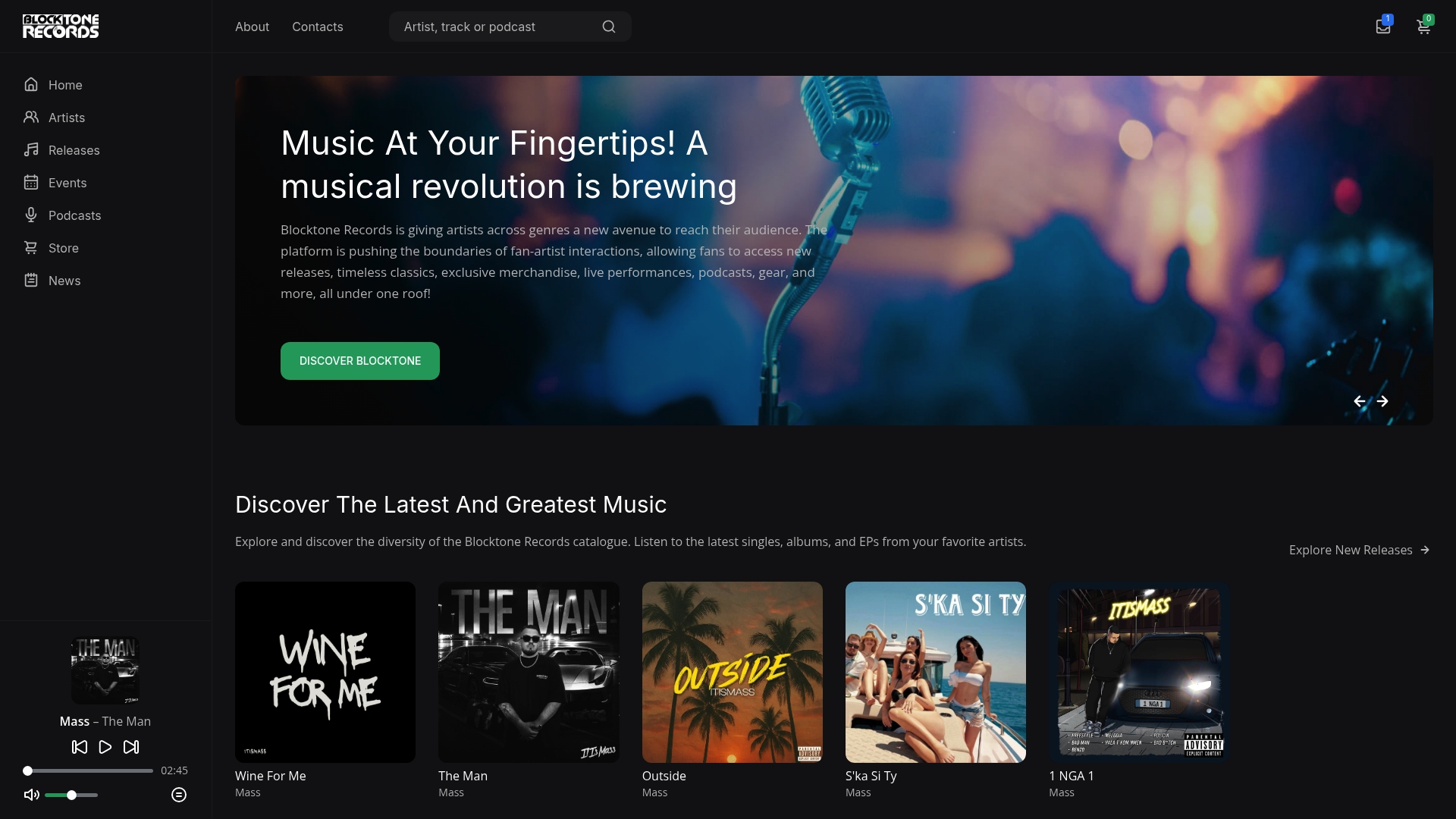
The platform combines distribution with comprehensive tools for fan engagement, analytics, and diversified revenue streams. Artists access everything needed to build sustainable careers without juggling multiple disconnected services. You can release music, sell merchandise, host exclusive content, analyze listener data, and engage fans directly from one dashboard.
Blocktone Records supports exclusive releases that reward dedicated fans, merchandise integration that captures additional revenue, live event promotion connecting digital audiences with real-world experiences, and rich analytics informing smarter growth strategies. Independent artists find the platform particularly valuable because it provides major label capabilities without requiring label deals.
Explore music discovery for artists resources that help you understand how listeners find new music and position yourself in those discovery paths. Review music distribution tips for independent artists that translate platform knowledge into actionable strategies producing measurable results.
Visit Blocktone Records to see how integrated platform solutions help you maximize the opportunities digital music platforms create while navigating the challenges more effectively.
Frequently asked questions about the role of music platforms for artists
What are the best platforms for emerging artists to gain initial exposure?
Spotify and SoundCloud work well for initial exposure due to strong algorithmic discovery features and active listener bases seeking new music. Blocktone Records offers advantages for artists wanting integrated tools beyond just streaming exposure.
How can artists effectively use platform analytics to plan tours?
Analyze geographic listener concentration to identify cities with sufficient fanbase density to sell tickets. Cross-reference streaming numbers with social media engagement to gauge actual conversion potential in target markets.
What are some non-royalty income streams available on music platforms?
Merchandise sales, exclusive content subscriptions, virtual concert tickets, crowdfunding campaigns, and licensing opportunities provide income beyond streaming royalties. Many platforms now integrate these features directly into artist profiles.
How important is releasing exclusive content on music platforms?
Exclusive content significantly improves fan retention and creates premium revenue opportunities. Fans who access exclusives demonstrate higher engagement levels and greater likelihood of supporting other monetization efforts.
What is the biggest mistake artists make when using streaming platforms?
Treating platforms as passive distribution channels rather than active communities requiring consistent engagement and strategic marketing. Simply uploading music without promotion and fan interaction leads to minimal results regardless of quality.
Recommended
- Why Artists Need Music Platforms for Growth & Reach
- Music Discovery: Connecting Independent Artists to Fans
- How to Showcase New Music: Boost Plays 33% with Steps
- Music Distribution Channels Explained: Empowering Indie Artists
- How NFT Rappers Are Revolutionizing the Music Industry – Stevie The Manager aka Stangr The Man