


Why Aggregators Reach 150+ Countries for Indie Artists
Choosing the right music distribution method can feel overwhelming for independent musicians. With over 80% of global paid streams concentrated on just three platforms, your distribution strategy directly impacts your career trajectory. This article breaks down aggregator services, direct-to-fan platforms, traditional label deals, and DSP direct distribution to help you make informed choices that maximize exposure and earnings.
Table of Contents
- How To Choose The Right Music Distribution Type: Key Factors
- Aggregator Services (e.g., DistroKid, TuneCore)
- Direct-To-Fan Platforms (e.g., Bandcamp, Patreon)
- Traditional Label Distribution
- Comparative Overview And Global Reach
- Situational Recommendations: Choosing What Fits Your Music Career
- Explore BlockTone Records’ Music Distribution Solutions
- Frequently Asked Questions About Music Distribution Types
Key Takeaways
| Point | Details |
|---|---|
| Distribution affects revenue | Cost structures and revenue shares determine your actual take-home earnings. |
| Aggregators offer widest reach | Services like DistroKid deliver music to 150+ digital stores globally at low cost. |
| Direct-to-fan increases income | Platforms enable 20-30% higher artist earnings through lower commission rates. |
| Labels provide full support | Traditional deals offer marketing resources but take 50-85% revenue share. |
| Choose based on goals | Your budget, fanbase size, and career stage dictate the best fit. |
How to Choose the Right Music Distribution Type: Key Factors
Before diving into specific music distribution channels explained, you need to understand what matters most for your career. Cost structures vary dramatically. Some services charge flat annual fees while others take percentage cuts of your earnings. The difference between paying $30 per year versus losing 70% of your revenue adds up quickly.
Reach determines how many listeners can discover your music. Digital aggregators push your tracks to hundreds of platforms worldwide, while direct-to-fan options focus on dedicated supporters. Physical distribution still matters for certain genres and markets, though streaming dominates in 2026.
Control over your music affects everything from pricing flexibility to release timing. Some distributors let you adjust prices and pull tracks anytime, while label contracts lock you into multi-year commitments. Ownership rights determine whether you can relicense your music for films, commercials, or other opportunities.
Monetization extends beyond streaming royalties. Consider these revenue streams:
- Digital sales and downloads
- Physical merchandise bundled with releases
- Exclusive content for superfans
- Sync licensing opportunities
- Live performance integration
Pro Tip: Balance cost with control and reach. The cheapest option rarely delivers the best results, and the most expensive doesn’t guarantee success. Match your distribution choice to your current fanbase size and realistic growth projections.
Aggregator Services (e.g., DistroKid, TuneCore)
Aggregators function as digital middlemen, delivering your music to every major streaming platform and download store. These services provide access to over 150 digital stores across six continents. You upload once, and they handle distribution to Spotify, Apple Music, Amazon, Tidal, Deezer, and dozens more.
Pricing models vary by service. Annual subscriptions typically range from $20 to $50, with unlimited uploads included. Per-release pricing starts around $10 to $30 for singles or albums. Most aggregators take a 15-30% commission on streaming royalties and sales, though some like DistroKid charge flat fees with zero commission.
Aggregators excel for artists wanting maximum digital exposure without industry connections. You maintain full ownership of your masters while gaining instant access to global audiences. The setup process takes minutes rather than months, and you can track earnings through centralized dashboards.
Limitations include minimal marketing support and basic analytics. You’re responsible for promoting your music and building your audience. Fan engagement tools remain limited compared to specialized platforms. Pricing flexibility exists but within platform guidelines rather than full control.
Best use cases:
- New artists testing multiple releases quickly
- Electronic producers releasing frequent singles
- Budget-conscious musicians prioritizing reach over services
- Artists comfortable handling their own marketing
Pro Tip: Artists releasing 10+ tracks annually save money with unlimited upload plans. Calculate your per-release cost across a year to determine whether flat-fee or per-release pricing makes sense. Review each aggregator’s pricing models before committing.
Direct-to-Fan Platforms (e.g., Bandcamp, Patreon)
Direct-to-fan platforms shift focus from broad distribution to deep fan relationships. These platforms take just 10-15% revenue compared to traditional channels, letting you keep significantly more of each sale. The model emphasizes connection over convenience, rewarding artists who actively engage their supporters.
Revenue opportunities multiply beyond streaming. You can sell digital downloads at prices you set, offer exclusive content tiers, bundle physical merchandise with music releases, and create subscription memberships for ongoing income. Direct-to-fan distribution increases artist earnings by 20-30% compared to aggregator-only strategies.
Fan engagement tools differentiate these platforms. Built-in messaging connects you directly with supporters. Crowdfunding features let fans pre-order albums or fund recording sessions. Detailed analytics show which fans buy most frequently, enabling targeted outreach. Artist merchandise integration creates seamless shopping experiences that boost both music and product sales.
Ideal scenarios include established artists with 500+ dedicated fans willing to pay premium prices. Niche genres like folk, jazz, or experimental electronic benefit from concentrated audiences. Artists offering unique physical products or experiences find these platforms perfect for bundled offerings.
Consider these advantages:
- Higher per-sale revenue than streaming
- Complete pricing control
- Direct fan data ownership
- Flexible release scheduling
- Integrated community features
The tradeoff is reach. You won’t appear in Spotify’s algorithmic playlists or Apple Music’s curated collections. Success requires active audience building through social media, email lists, and live performances. Visit direct-to-fan music distribution tips for implementation strategies.
Traditional Label Distribution
Traditional labels offer comprehensive career support in exchange for significant revenue shares and control. Standard deals take 50-85% of earnings, with newer artists typically receiving the lower percentages. Contracts span multiple albums or years, limiting your flexibility to change direction or renegotiate terms.
What you receive includes physical distribution to retail stores, radio promotion through industry relationships, playlist pitching by dedicated teams, marketing campaigns across multiple channels, and advance payments for recording and living expenses. Established labels provide tour support, merchandise coordination, and international market access that independent artists struggle to achieve alone.
The decision to sign requires careful consideration of five key factors:
- Revenue split sustainability: Can you build a career keeping only 15-50% of earnings?
- Contract length and album commitments: Are you ready for multi-year obligations?
- Creative control provisions: Will the label approve your artistic choices?
- Rights reversion clauses: When, if ever, do you regain ownership?
- Marketing spend transparency: How much actually goes toward promoting your music?
Labels suit artists ready to commit fully to music as their primary career. You need material strong enough to justify the label’s investment, plus willingness to collaborate on creative decisions. The infrastructure and connections accelerate growth for artists who’ve already demonstrated market potential through independent releases.
Younger artists sometimes view labels as shortcuts to success, but 2026’s music industry rewards proven track records. Build your audience independently first, then approach labels from a position of leverage. Explore traditional label distribution explained for deeper context on contract negotiations.
Comparative Overview and Global Reach
Understanding how distribution types compare helps clarify your best path forward. Spotify, Apple Music, and Amazon Music account for over 80% of global paid audio streams, making platform access critical. Each distribution method offers different tradeoffs.
| Distribution Type | Upfront Cost | Revenue Share | Control Level | Global Reach | Fan Engagement |
|---|---|---|---|---|---|
| Aggregators | $20-50/year | 15-30% | Moderate | 150+ countries | Low |
| Direct-to-Fan | 10-15% per sale | 10-15% | High | Limited | Very High |
| Traditional Labels | $0 (advance) | 50-85% | Low | Worldwide + Physical | Moderate |
| DSP Direct | Free | 0% (keeps 100%) | Limited | Platform-specific | Low |
Aggregators deliver unmatched digital reach at minimal cost. For $30 annually, your music appears on every major platform globally. This breadth matters when algorithms and playlists drive discovery. You maintain ownership and moderate control over release timing and pricing within platform guidelines.

Direct-to-fan platforms maximize earnings per transaction but require established audiences. The higher revenue percentage only matters if fans actually purchase. These work best combined with aggregators, capturing both casual streamers and dedicated supporters.
Traditional labels provide full-service career development including physical distribution, radio promotion, and substantial marketing budgets. The 50-85% revenue share reflects their investment and infrastructure. Physical presence still drives sales in certain markets despite streaming’s dominance.
DSP direct distribution (uploading directly to Spotify for Artists or Apple Music for Artists) offers zero commission but limits you to single platforms. Most artists use aggregators to access all DSPs simultaneously rather than managing multiple direct relationships.
“Balance reach with revenue share by combining aggregator services for broad exposure with direct-to-fan platforms for superfan monetization. This hybrid approach maximizes both discovery and earnings per dedicated listener.”
Key insights from music platform reach and growth data:
- Digital distribution reaches 150+ countries instantly
- Physical distribution still matters for collectors and certain genres
- Platform-specific features vary widely in usefulness
- Multiple distribution channels increase overall revenue
Situational Recommendations: Choosing What Fits Your Music Career
Your ideal distribution strategy depends on where you are now and where you’re headed. Electronic artists benefit most from aggregator services that deliver music to streaming platforms where electronic fans discover new tracks. The low cost and wide reach suit genres built around playlist placement and algorithmic discovery.
Niche genres like folk, jazz, or experimental music thrive on direct-to-fan platforms. Dedicated audiences pay premium prices for unique recordings, physical editions, and exclusive content. The higher per-sale revenue compensates for smaller overall audiences. Combine this with merchandise and live performance ticket sales for maximum impact.
Budget-conscious artists starting out should choose flat-fee aggregators with unlimited uploads. Testing multiple singles helps you learn what resonates without burning through capital. Avoid percentage-based services until your streaming numbers justify the commission costs.
Artists seeking broad mainstream exposure and substantial resources should consider traditional labels only after building independent momentum. Labels invest in artists who’ve already proven market demand through streaming numbers, social media following, or live attendance. Approach from strength, not desperation.
Engagement-focused artists combining multi-genre music artistic reach strategies excel by layering distribution methods. Use aggregators for maximum platform presence while building direct fan relationships through Bandcamp or Patreon. This hybrid captures both casual listeners and superfans willing to pay premium prices.
Consider these scenarios:
- First release ever: Use budget aggregator, focus on learning
- 1,000+ engaged fans: Add direct-to-fan platform for higher margins
- Consistent 100k+ monthly streams: Explore label conversations from strength
- Touring regularly: Prioritize merchandise integration and fan data ownership
Explore BlockTone Records’ Music Distribution Solutions
Choosing distribution doesn’t mean going it alone. BlockTone Records offers expert-guided services matching your career stage and goals. Whether you need basic aggregator setup or comprehensive distribution strategies, our platform provides resources tailored to independent artists.
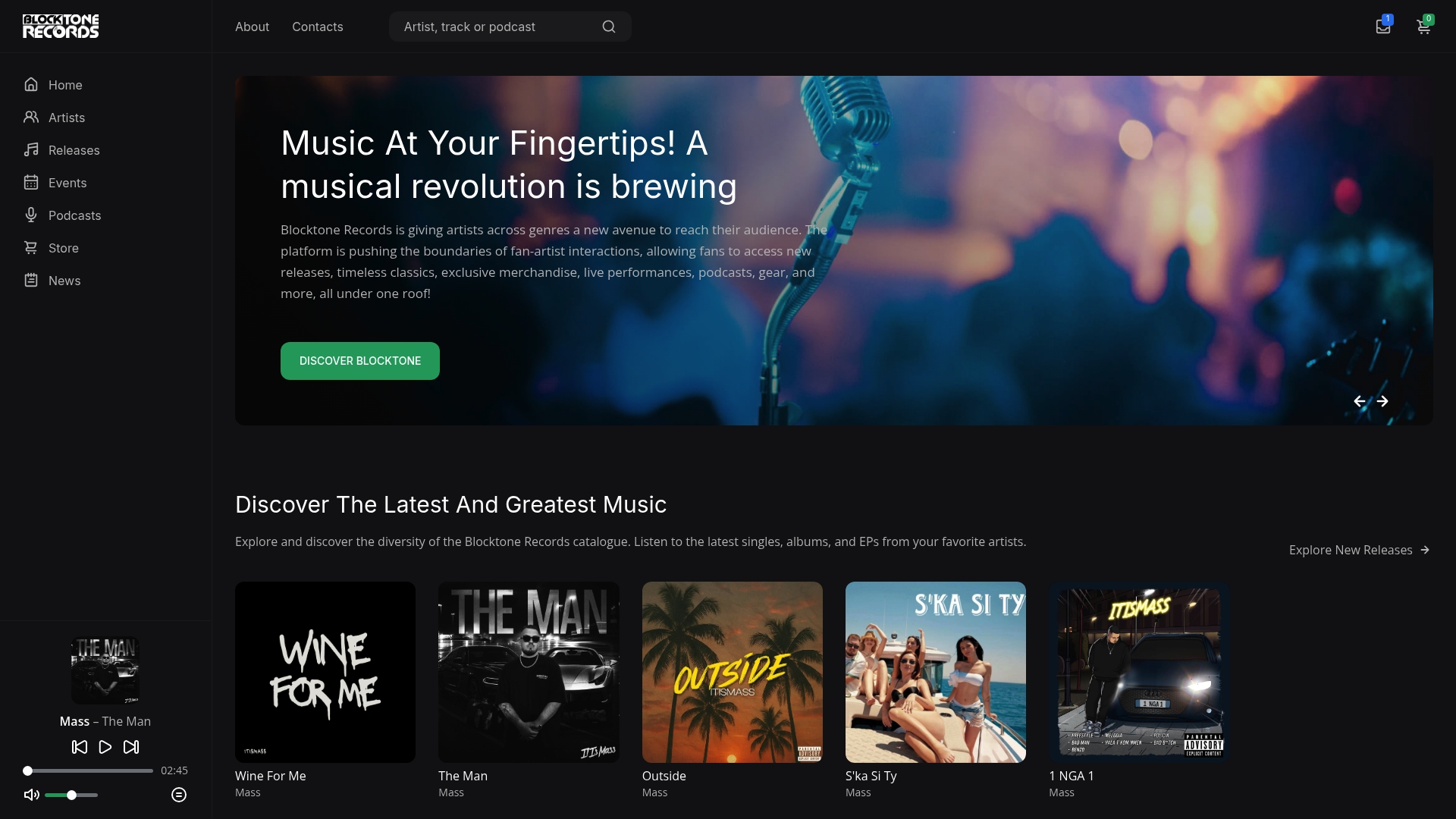
Our team helps you navigate music distribution channels explained with personalized recommendations. Access tools combining digital reach with fan engagement features that grow your audience and income simultaneously. We’ve helped thousands of artists expand their presence while maintaining creative control.
Explore distribution tips for indie artists developed from real-world success stories. Join our community at BlockTone Records to connect with other musicians, share strategies, and access ongoing educational resources. Your music deserves the distribution approach that amplifies your unique voice and career vision.
Pro Tip: Leverage our platform’s analytics and community insights to refine your distribution strategy as your career evolves. What works at 100 fans differs from 10,000 fans.
Frequently Asked Questions about Music Distribution Types
What are the main cost differences between aggregators and labels?
Aggregators charge $20-50 annually or take 15-30% commission with no upfront costs. Traditional labels take 50-85% of all revenue but provide advance payments and cover recording, marketing, and distribution expenses. Your net earnings depend on sales volume and whether you value immediate cash versus long-term ownership.
Can I switch distribution methods later if I outgrow one?
Yes, most aggregator contracts allow you to leave anytime and transfer your catalog elsewhere. Direct-to-fan platforms similarly offer flexibility. Traditional label contracts lock you in for multiple years or albums, making switches difficult until the contract expires. Always read termination clauses before signing.
How does fan engagement impact income through direct-to-fan platforms?
Engaged fans spend 3-5 times more than casual listeners by purchasing premium downloads, merchandise bundles, and subscription tiers. Direct communication builds loyalty that translates to consistent income. Platforms enabling this interaction capture higher revenue per fan even with smaller overall audiences.
Is global reach guaranteed by all digital distributors?
Most aggregators deliver to 150+ countries, but some smaller services limit geographic coverage. Verify exactly which platforms and territories each distributor covers before signing. Physical distribution remains restricted by label resources and market-specific agreements.
What should I consider before signing a traditional label contract?
Review the revenue split, contract length, creative control provisions, rights reversion terms, and marketing budget transparency. Hire an entertainment lawyer to explain clauses you don’t understand. Never sign based on flattery or promises without documented commitments. Compare multiple offers to understand industry standards for your career level.