

Why Artists Need Music Platforms for Growth & Reach
Choosing the right music platform has become a turning point for both new and established artists around the world. With streaming, social media, and sales platforms now serving as the backbone of the entire industry, your platform choice can shape how fans discover, support, and interact with your work. Today, artists expect more—music platforms provide distribution, fan engagement, analytics, and revenue tools that determine your reach and profitability—making a smart selection more critical than ever.
Table of Contents
- Defining Music Platforms For Artists Today
- Types Of Music Platforms And Their Uses
- Core Features: Distribution, Monetization, And Engagement
- Monetization Models And Revenue Opportunities
- Risks, Limitations, And Choosing The Right Platform
Key Takeaways
| Point | Details |
|---|---|
| Platform Functions | Music platforms now serve as distribution channels, discovery engines, engagement tools, and revenue sources, making them essential for artists today. |
| Control and Transparency | Artists should choose platforms that offer transparency and control over music visibility, royalties, and audience engagement. |
| Diversified Revenue Streams | Successful artists leverage multiple revenue streams including streaming, digital sales, merchandise, and live events for financial stability. |
| Strategic Platform Use | Utilizing a combination of platforms maximizes reach and mitigates risks associated with algorithm changes or income fluctuations. |
Defining Music Platforms for Artists Today
Music platforms today are far more than simple streaming services. They represent the core infrastructure that connects artists directly with listeners, manages music distribution, and controls how listeners discover new work.
What Makes a Music Platform?
A music platform serves multiple functions simultaneously. It’s a distribution channel, a discovery engine, a fan engagement tool, and a revenue source all in one. When you upload your music to a platform, you’re not just storing files—you’re entering a complex ecosystem designed to amplify or limit your reach.
Music streaming platforms shape what gets heard through algorithms and recommendation systems that influence which songs listeners encounter. These aren’t neutral systems; they actively decide your music’s visibility.
Key features of modern music platforms include:
- Distribution across multiple streaming services (Spotify, Apple Music, Amazon Music, etc.)
- Built-in analytics showing listener demographics, geography, and listening habits
- Direct connection between artists and fans through messaging or community features
- Royalty tracking and payment systems
- Artist profiles with customizable branding and imagery
- Playlist pitching tools and promotional opportunities
The Shift in Platform Design
Platforms are evolving beyond basic playback. Artists now need tools that give them transparency and control over how their music is recommended. You’re no longer passively waiting for playlists; you’re actively shaping your presence.
Digital platforms fundamentally transform music distribution by creating new relationships between creators, technology, and listeners. Blocktone Records embodies this evolution by providing artists with comprehensive tools for distribution, fan engagement, and monetization through exclusive releases, live performances, and merchandise opportunities.
Distribution itself has become simplified. Where artists once needed expensive intermediaries, platforms now let you upload directly and reach millions of listeners within hours.
Key Characteristics You Should Expect
A solid music platform should provide:
- Accurate, real-time streaming data and royalty information
- Multiple revenue streams (streaming, downloads, merchandise, exclusive content)
- Community features that connect you with listeners and other artists
- Educational resources about industry trends and best practices
- Clear terms explaining royalty rates and payment schedules
Beyond basic features, the best platforms foster genuine engagement. They help you understand your audience, connect with fans directly, and build sustainable income from your creativity.
Your platform choice determines not just where your music lives, but how discoverable and profitable it becomes.
Pro tip: Evaluate platforms based on your specific goals—whether you prioritize global reach, niche community building, or direct fan monetization—and choose the tools that align with your growth strategy, not just the biggest name.
Types of Music Platforms and Their Uses
Not all music platforms serve the same purpose. Each platform type addresses different parts of your artist journey—from reaching listeners to generating revenue to building community. Understanding what each platform does helps you choose the right tools for your goals.
Streaming Platforms
Streaming services like Spotify, Apple Music, and Amazon Music dominate music consumption. These platforms handle massive listener bases and provide the reach most artists need. Your music reaches millions of potential fans through a single upload.
Streaming platforms focus on distribution and discovery, making them essential for building listener numbers. However, they’re primarily passive—you upload and rely on algorithms and playlists to drive plays.
Benefits of streaming platforms:
- Global reach to hundreds of millions of listeners
- Built-in discovery through algorithmic recommendations
- Passive income from streams (though rates vary)
- Detailed listener analytics and demographics
- Integration across multiple music services simultaneously
Social Media Platforms
TikTok, Instagram, YouTube, and other social platforms have become critical for artist growth. Musicians use social media for fan engagement and marketing, making these spaces where direct connection happens.

You control the narrative on social platforms. Short clips, behind-the-scenes content, and direct fan interaction happen here. Virality on TikTok or Instagram can drive massive listener spikes across streaming services.
Key advantages:
- Direct, real-time connection with fans
- Viral potential through trending sounds and challenges
- Visual storytelling opportunities
- Community building through comments and messages
- Cross-promotion to streaming platforms
Digital Sales Platforms
Bandcamp, Gumroad, and similar platforms let fans purchase your music directly. This creates higher revenue per transaction compared to streaming royalties. Fans get ownership, and you keep a larger cut.
Digital sales work best for dedicated fans willing to pay. You’re not reaching millions here, but the fans who buy are invested in your work.
Live and Event Platforms
Seatgeek, Eventbrite, and other ticketing platforms promote concerts and live performances. These build fan relationships in person while generating direct revenue. Live events create moments that deepen audience loyalty.
Different platform types serve distinct purposes: streaming for reach, social media for engagement, sales for revenue, and live events for connection.
Why You Need Multiple Platforms
No single platform does everything. Artists who succeed use each platform strategically. Streaming builds your listener base, social media creates buzz, digital sales generate income, and live events deepen relationships.
Here’s a comparison of the main types of music platforms and their unique strategic advantages for artists:
| Platform Type | Primary Goal | Artist Control Level | Typical Revenue Source |
|---|---|---|---|
| Streaming | Maximize reach | Low to moderate | Per-stream royalties |
| Social Media | Audience engagement | High | Influencer deals, promotion |
| Digital Sales | Direct fan conversion | High | Music/merch sales, downloads |
| Live/Event | Build loyalty, monetize | Moderate | Ticket and event sales |
Pro tip: Start with one streaming platform and one social platform, master those two completely, then expand—spreading yourself too thin across every platform wastes energy that could build real momentum on the channels where your audience actually spends time.
Core Features: Distribution, Monetization, and Engagement
Every successful music platform balances three essential functions. Distribution gets your music in front of listeners, monetization converts those listeners into income, and engagement builds lasting fan relationships. These three pillars work together to create sustainable artist growth.
Distribution: Reaching Listeners Globally
Distribution is your music’s passport to the world. Platforms handle the technical complexity of uploading to multiple streaming services simultaneously. One upload reaches Spotify, Apple Music, Amazon Music, YouTube Music, and dozens of other services.
Global accessibility through distribution capabilities means your music is available wherever listeners search for it. Without this infrastructure, you’d need to negotiate individually with each streaming service—a task requiring legal agreements and technical knowledge most independent artists don’t have.
Distribution features include:
- Simultaneous release across all major streaming platforms
- Metadata management (artist name, genre, release date, artwork)
- Scheduled releases and pre-orders
- Album and single packaging
- Genre categorization for proper discoverability
Monetization: Converting Plays Into Income
Streams only matter if they generate revenue. Platforms implement multiple monetization models to ensure you earn from your work. The most common model uses subscription revenue split among artists based on plays.
Pro-rata payment systems distribute royalties based on your share of total platform plays. This creates fairness debates, but it remains the dominant model across major platforms. Understanding how royalties work helps you optimize your release strategy.
Monetization mechanisms include:
- Streaming royalties (typically $0.003–$0.005 per stream)
- Direct fan purchases through digital sales
- Exclusive content access or memberships
- Merchandise integration
- Licensing opportunities
Engagement: Building Real Fan Connections
Engagement transforms casual listeners into loyal fans. Platforms provide tools for direct interaction and community building. Your fans can follow you, comment, share, and support your work directly.
Algorithmic recommendations and social interactivity drive both discovery and retention. When fans engage with your content, algorithms amplify it to similar listeners. This creates organic growth without paid advertising.
Engagement features include:
- Artist profiles with biography and social links
- Direct messaging with fans
- Playlist pitching and playlist creation
- Fan comments and reactions
- Share-to-social functionality
- Behind-the-scenes content access
Platforms that balance distribution reach, fair monetization, and genuine engagement create environments where artists can build sustainable careers.
How These Three Work Together
Distribution without monetization leaves you unpaid. Monetization without engagement breeds hollow numbers. Engagement without distribution limits your reach. The strongest platforms integrate all three seamlessly.
Blocktone Records combines these elements by offering distribution infrastructure alongside fan engagement tools, exclusive content opportunities, and transparent revenue tracking.
Pro tip: Monitor your analytics across distribution, monetization, and engagement—track which songs drive plays, which bring revenue, and which generate the most fan interaction, then double down on what’s working rather than spreading effort evenly across everything.
Monetization Models and Revenue Opportunities
Streaming alone won’t sustain your music career. Smart artists diversify their income across multiple revenue streams. Platforms that offer varied monetization models create real earning potential instead of hoping for viral moments.
Streaming Royalties: The Foundation
Streaming remains the primary revenue source for most artists. When listeners play your music, you earn a small royalty. The amount varies by platform and subscription type, but typically ranges from $0.003 to $0.005 per stream.
Subscription-based streaming revenue shared through pro-rata systems means your earnings depend on your share of total platform plays. If you get 100,000 plays on a platform that pays $1 million monthly to artists, you earn proportionally. This model rewards consistency and listener volume.
Streaming income advantages:
- Passive income after initial upload
- Global reach generating ongoing plays
- Measurable performance through analytics
- Predictable (though modest) monthly earnings
- No upfront costs to distribute
Beyond Streaming: Diversified Revenue
Monetization models include royalty payments alongside revenue from live performances and social media presence. Successful platforms integrate multiple income channels within one ecosystem.
Alternative revenue opportunities include:
- Direct fan purchases through digital downloads
- Exclusive content access or memberships
- Merchandise sales integrated with music releases
- Live performance and concert ticket sales
- Licensing music for media, commercials, films
- Sponsorships and brand partnerships
- Teaching or coaching through the platform
The Fairness Question
Streaming inequality is real. Top artists capture disproportionate shares while mid-tier artists struggle. A popular artist earning $100,000 monthly from streaming creates an illusion of easy income, but the median artist earns less than $100 annually.
Some platforms explore alternative payment systems. User-centric models distribute royalties based on individual subscriber listening habits rather than overall platform plays. This potentially benefits niche artists with dedicated fanbases.
Building a Revenue Stack
Don’t rely solely on streaming revenue. Layer multiple income sources to create stability. Your first 1,000 fans are worth more than your next 100,000 streams because they purchase, attend shows, and buy merchandise.
Platforms offering multiple revenue streams—streaming, direct sales, merchandise, live events, and fan engagement—allow artists to build sustainable income rather than chase viral moments.
Making Revenue Work for You
Tracking income across multiple platforms matters. Know which revenue sources generate the most money. Reinvest earnings back into promotion, production, or live performances to fuel growth cycles.
Pro tip: Focus 50% of your energy on one revenue stream that currently generates the most income, 30% on expanding a secondary stream, and 20% on testing new opportunities—this balanced approach accelerates growth without spreading yourself too thin across too many incomplete channels.
Risks, Limitations, and Choosing the Right Platform
Music platforms offer incredible opportunities, but they come with real risks. Understanding what can go wrong helps you make smarter choices about where your music lives and how you build your career.
The Opacity Problem
Payment systems lack transparency. Most platforms don’t clearly explain how royalties are calculated or why your earnings fluctuate monthly. You upload your music, get paid, and rarely understand the exact mechanics behind those numbers.
Revenue disparities due to opaque payment systems create unfair outcomes. Without visibility into how algorithms distribute streams and royalties, you can’t optimize your strategy. You’re essentially trusting a black box with your income.
Common transparency issues:
- Vague royalty rate explanations
- Delayed or unclear payment breakdowns
- Hidden platform fees reducing your earnings
- No visibility into which countries generate income
- Inconsistent reporting across platforms
Algorithmic Bias and Control
Algorithms decide your visibility. These systems favor already-popular artists, creating a cycle where success breeds more success. New artists struggle to break through despite quality music.
Algorithmic gatekeeping limits artist control and discoverability. You can’t force algorithms to promote your work. You’re also pressured to conform to trending styles rather than develop your authentic sound.
Algorithmic risks include:
- Favoring mainstream over niche genres
- Penalizing experimental or unconventional music
- Playlist placement becoming unpredictable
- Changes in algorithm benefiting some artists while harming others
- Limited recourse when your music gets suppressed
Income Instability
Streaming income fluctuates wildly. One month you earn $500; the next month, $150. This unpredictability makes budgeting impossible. You can’t build a sustainable career on unreliable income.
Income challenges affect planning, investing in production quality, and affording decent promotional support.
Choosing Your Platform Strategy
Evaluate platforms carefully before committing. Different platforms serve different goals. A platform perfect for pop artists might harm experimental musicians.
Key evaluation factors:
- Audience demographics: Does the platform’s user base match your target listeners?
- Monetization transparency: Can you understand how you’ll earn money?
- Artist support: Does the platform offer resources, education, or customer service?
- Rights protection: How are your rights handled? Can they change terms without notice?
- Community features: Can you engage directly with fans?
- Content control: What creative freedom do you have?
The Multi-Platform Approach
Artists often use a mix of social media, streaming, and direct sales platforms to mitigate risks while enhancing reach. Don’t put all your music in one basket. Diversifying across platforms protects you if one algorithm changes or one service becomes hostile to artists.
Below is a concise overview of key risks when choosing music platforms, and how diversified strategies can help:
| Risk Area | Main Risk Description | Impact on Artist | Mitigation Strategy |
|---|---|---|---|
| Payment Transparency | Opaque royalty calculations | Unpredictable income | Monitor statements, test platforms |
| Algorithmic Bias | Reduced discoverability | Limited new audience | Diversify across platforms |
| Income Instability | Fluctuating monthly payout | Difficult financial planning | Build multiple revenue streams |
No single platform is perfect. Building a sustainable career means choosing platforms strategically and maintaining independence by controlling your fan relationships directly.
Red Flags When Evaluating Platforms
Watch for platforms that lack clear communication about payments, offer no artist support, change terms without notice, or provide no way to contact someone with actual authority.
Pro tip: Before uploading your entire catalog, test a platform with 2-3 songs first—monitor earnings, interface quality, analytics accuracy, and customer support responsiveness for 30 days before committing fully, which reveals whether a platform actually serves your needs or just promises vague benefits.
Empower Your Music Career with Blocktone Records Today
The article highlights vital challenges artists face such as opaque payment systems, limited control over algorithmic visibility, and the need for diversified revenue streams. Fans engagement, transparent monetization, and multi-platform distribution are essential for genuine growth and sustainable income. Blocktone Records understands these hurdles and offers a unified solution that empowers artists with real-time royalty tracking, direct fan connections, and broad distribution across major streaming platforms.
Experience a platform designed to put you in control of your music journey with features like exclusive releases, live performances, and merchandise sales to build your income stack and deepen fan relationships. Discover how you can break free from the unpredictability of traditional platforms and reach your true potential now.
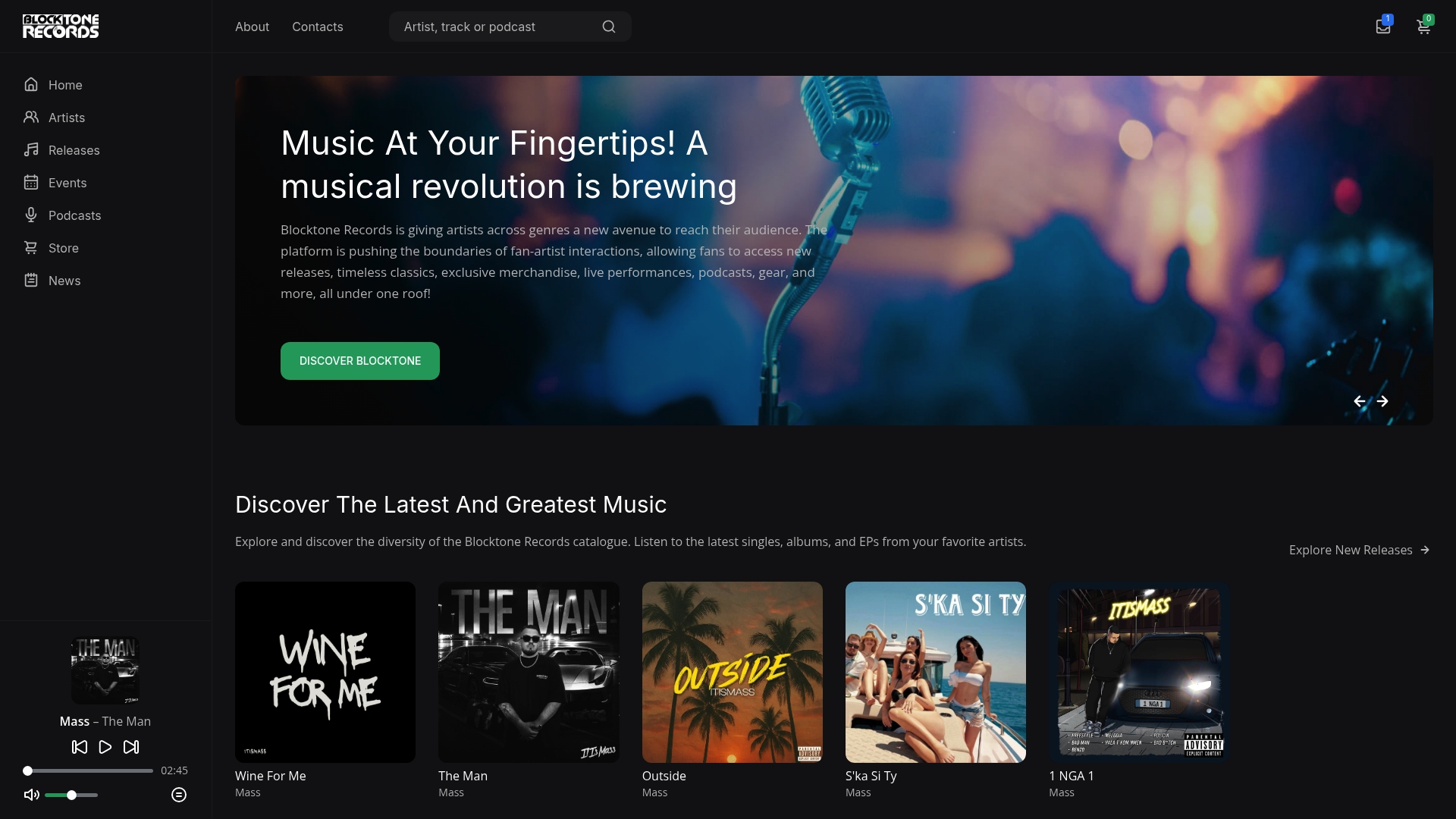
Take control of your music career growth with Blocktone Records. Visit our landing page to start distributing your music efficiently, engage your community meaningfully, and unlock multiple monetization opportunities. Don’t wait to turn your music into a sustainable success—join a platform that grows with you today.
Frequently Asked Questions
What are the key functions of modern music platforms for artists?
Modern music platforms serve as distribution channels, discovery engines, fan engagement tools, and revenue sources. They help artists connect directly with listeners while managing music distribution and promoting discoverability through algorithms.
How can music platforms enhance fan engagement for artists?
Music platforms provide community features that allow artists to interact directly with fans through messaging, comments, and social sharing. This interaction fosters a deeper connection, helping to convert casual listeners into loyal supporters.
What role do streaming royalties play in an artist’s income?
Streaming royalties are a vital source of income for artists, typically ranging from $0.003 to $0.005 per stream. While streaming fees may seem low, they can accumulate significantly with high listener volumes, offering passive income after initial uploads.
Why is it essential for artists to use multiple platforms?
No single platform fulfills all a musician’s needs. Artists who utilize a mix of streaming, social media, digital sales, and live event platforms can diversify their revenue sources, enhance audience reach, and build sustainable careers by reducing dependency on any one service.
Recommended
- Music Discovery: Connecting Independent Artists to Fans
- What Is Music Streaming and Why It Matters for Artists
- 7 Essential Music Distribution Tips for Independent Artists
- How to Discover New Music: Step-by-Step Guide for Fans
- How to Join Art Communities: Connect and Collaborate in 2025 – The Mansion Press