

Why diversify music genres? Benefits for artists & fans
Think sticking to one music genre builds the strongest fanbase? Think again. The artists and listeners thriving today are those embracing musical diversity, discovering that genre blending unlocks creativity, expands audiences, and deepens emotional connections in ways single-genre focus never could. This article reveals why diversifying music genres matters for both fans seeking richer experiences and artists building sustainable careers.
Table of Contents
- How Technology And Streaming Drive Genre Diversification
- Benefits Of Diversifying Music Genres For Listeners And Artists
- Challenges And Nuances Of Genre Diversification In Today’s Music Landscape
- Practical Tips For Embracing And Benefiting From Genre Diversity
- Explore Diverse Music With BlockTone Records
- Frequently Asked Questions
Key takeaways
| Point | Details |
|---|---|
| Genre diversity boosts creativity | Exploring multiple styles enhances artistic innovation and listener engagement. |
| Technology enables blending | Digital tools and streaming platforms make cross-genre experimentation accessible. |
| Cognitive and social benefits | Diverse listening improves multitasking abilities and cultural understanding. |
| Commercial challenges exist | Algorithms favor familiarity, creating tension between creativity and reach. |
| Practical exploration pays off | Strategic genre discovery enriches both artist development and fan experience. |
How technology and streaming drive genre diversification
Digital production tools have completely transformed how artists create music. Software like Ableton Live, FL Studio, and Logic Pro lets musicians seamlessly incorporate sounds from hip hop, electronic, jazz, and world music into single tracks. The blending of music genres is driven by technological advancements, particularly digital production tools that remove traditional barriers between styles.
Streaming platforms amplify this effect dramatically. Spotify, Apple Music, and YouTube Music use algorithms that expose listeners to cross-genre playlists and unexpected recommendations. When you finish a punk rock album, the platform might suggest indie folk or electronic fusion tracks based on subtle sonic similarities. Streaming platforms have expanded artists’ reach, exposing them to broader musical influences that fuel genre blending.
Understanding music streaming importance becomes critical when you realize these platforms now shape how millions discover new artists daily. Artists can now reach global audiences instantly, encouraging them to incorporate diverse cultural sounds into their work.
Key technological drivers include:
- Cloud-based collaboration tools connecting musicians across continents
- Affordable home recording equipment democratizing production quality
- AI-powered mixing software suggesting unconventional sound combinations
- Global sample libraries providing instant access to world music elements
- Social media amplifying cross-genre viral moments
This technological revolution means a bedroom producer in Atlanta can blend Afrobeat rhythms with trap beats, while a folk artist in Nashville experiments with electronic textures. The barriers that once separated genres have essentially dissolved, creating unprecedented creative freedom for artists willing to explore beyond traditional boundaries.
Benefits of diversifying music genres for listeners and artists
Your brain responds differently to varied musical styles, and science backs this up. Listening to different genres can enhance cognitive abilities, particularly multitasking skills and emotional processing. When you switch between classical symphonies and electronic dance music, you’re essentially giving your brain a comprehensive workout.
For artists, genre experimentation sparks creativity in surprising ways. A jazz musician incorporating hip hop elements discovers fresh approaches to rhythm and storytelling. An indie rock band adding orchestral arrangements creates emotional depth that purely guitar-driven music might miss. This cross-pollination generates the innovative sounds that capture listener attention in oversaturated markets.

Social benefits extend beyond individual enjoyment. Exposure to diverse music genres can improve social skills and relatability, making you better equipped to connect with people from different cultural backgrounds. Music becomes a universal language when you appreciate multiple dialects.
Practical advantages for fans include:
- Discovering artists through guide to discovering new music techniques
- Building emotional resilience through varied sonic experiences
- Expanding cultural awareness and global perspectives
- Creating personalized soundtracks for different moods and activities
- Supporting a healthier, more diverse music ecosystem
Artists gain commercial advantages too. Genre-blending musicians attract listeners from multiple fanbases simultaneously. A country artist adding pop production appeals to both traditional country fans and mainstream radio audiences. This multiplier effect explains why artists like Post Malone, Billie Eilish, and The Weeknd dominate charts by refusing to stay in single-genre boxes.
Pro Tip: Create themed playlists mixing three unrelated genres. Pair classical piano with ambient electronic and indie folk to discover unexpected sonic connections that reshape your musical taste.
Challenges and nuances of genre diversification in today’s music landscape
The same algorithms promoting discovery also create serious problems. Streaming platforms contribute to the standardization of music, leading to decreased sonic and stylistic diversity through playlist-driven curation. When platforms prioritize engagement metrics over artistic innovation, safe and familiar sounds win.
This creates a paradox. While technology enables genre blending, algorithms aren’t biased because they’re ‘bad’ but because they’re optimized for familiarity, making diversity a casualty of efficiency. Artists face pressure to conform to algorithmic preferences rather than push creative boundaries.
Commercial realities complicate the picture further. Record labels often discourage genre experimentation because it complicates marketing strategies. Radio stations prefer easily categorizable music that fits established formats. Playlist curators struggle to place cross-genre tracks that don’t fit neat boxes.
| Challenge | Impact on Artists | Impact on Listeners |
|---|---|---|
| Algorithmic homogenization | Pressure to create familiar-sounding music | Reduced exposure to truly innovative sounds |
| Marketing difficulties | Harder to build consistent brand identity | Confusion about where to discover new artists |
| Commercial resistance | Limited label support for experimental work | Fewer genre-bending options reaching mainstream |
| Playlist gatekeeping | Exclusion from major discovery platforms | Algorithmic echo chambers reinforcing existing tastes |
Understanding the role of music platforms for artists reveals how creators must balance artistic vision with platform requirements. Success often requires strategic compromise rather than pure creative freedom.
Yet artists who navigate these challenges successfully often achieve breakthrough moments. They find audiences hungry for something different than algorithm-approved monotony. The key lies in understanding platform mechanics while maintaining authentic creative voices that refuse to be completely molded by commercial pressure.
Practical tips for embracing and benefiting from genre diversity
Ready to expand your musical horizons? Start with intentional exploration rather than passive listening. Exploring unfamiliar musical genres broadens your perspective because new sounds introduce fresh ideas, emotions, and cultural insights that transform how you experience music.
Follow this step-by-step approach:
- Identify one genre you’ve never seriously explored (try gamelan, bossa nova, or krautrock)
- Find three highly-rated albums within that genre using music review sites or community recommendations
- Listen to each album twice: once passively while doing other tasks, once with full attention
- Note specific elements that intrigue you (rhythmic patterns, vocal techniques, instrumentation)
- Create hybrid playlists mixing this new genre with your familiar favorites
- Explore artists who blend your new discovery with styles you already love
For artists seeking to incorporate diverse influences, collaboration accelerates learning. Partner with musicians from different backgrounds to absorb their perspectives organically. A metal guitarist working with an R&B producer discovers groove and space in ways solitary practice never reveals.
Leverage discovery tools strategically. Platforms like Every Noise at Once map the entire genre landscape visually. Songkick and Bandsintown alert you to unexpected live shows in your area. Community radio stations often program adventurous cross-genre mixes commercial stations avoid.
Exploring multi-genre music artistic reach demonstrates how successful artists build careers by refusing single-genre constraints. Study their paths to understand practical strategies for incorporating diverse influences authentically.
Pro Tip: Dedicate one day weekly to exclusive listening outside your comfort zone. Make it non-negotiable like exercise or meditation. Within six months, you’ll have explored 24+ new genres, fundamentally reshaping your musical identity.
Benefits extend beyond music appreciation. Genre diversity builds emotional flexibility as you learn to appreciate beauty in unfamiliar forms. It strengthens pattern recognition as you identify common threads across disparate styles. Most importantly, it cultivates humility by reminding you how much musical territory remains unexplored, regardless of how knowledgeable you think you are.

Explore diverse music with BlockTone Records
Navigating the vast landscape of genre-blending music becomes easier with platforms designed for discovery. BlockTone Records empowers independent artists across every imaginable style, creating a hub where genre boundaries matter less than artistic authenticity and creative vision.
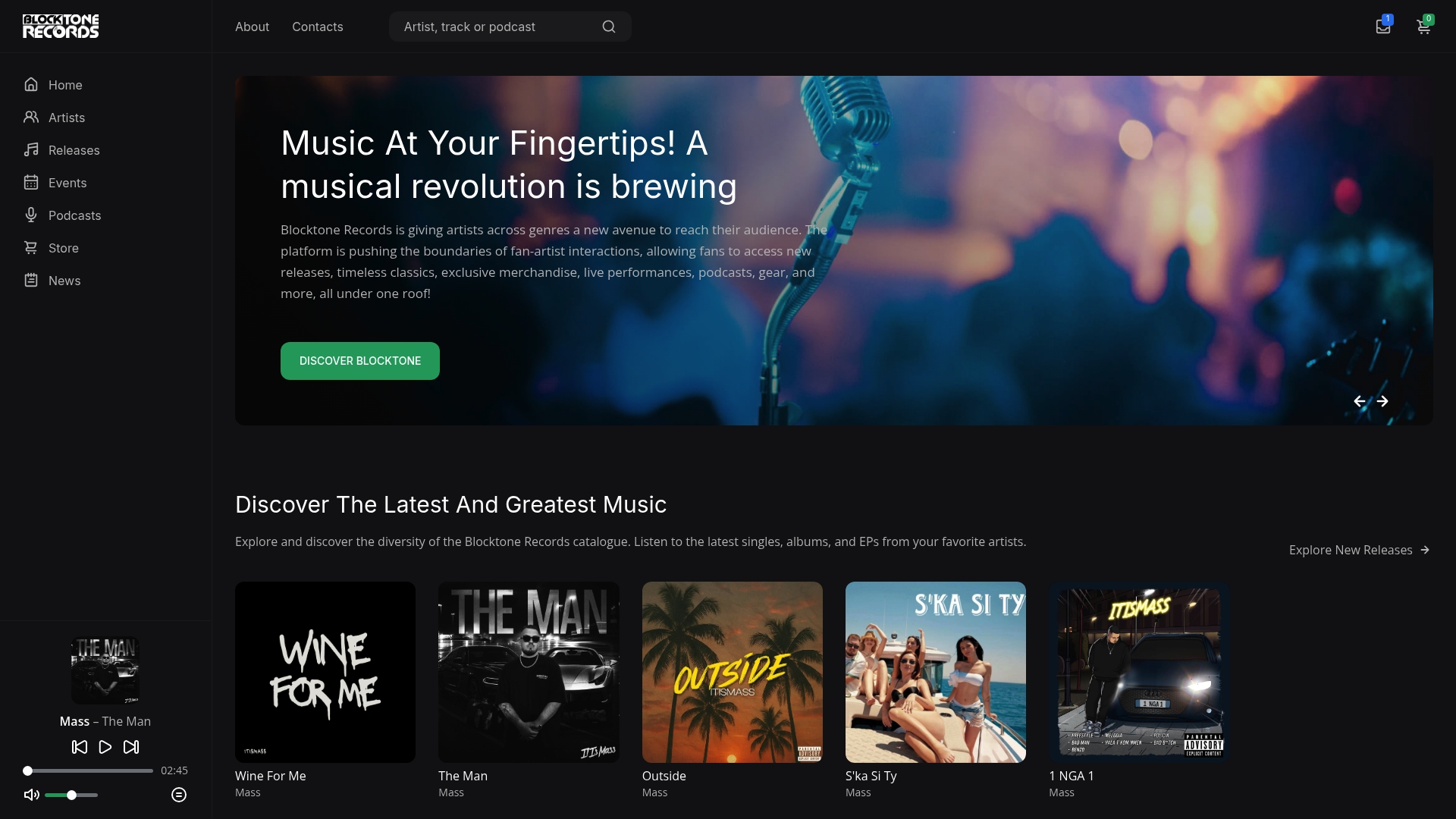
Whether you’re seeking underground electronic fusion, neo-soul experiments, or indie rock with orchestral elements, BlockTone connects you directly with artists pushing creative boundaries. The platform’s music discovery for artists tools help creators reach audiences who appreciate innovation over convention, while fans discover sounds they never knew existed.
Exploring multi-genre music artistic reach through BlockTone means supporting a healthier music ecosystem where diversity thrives. You’ll find exclusive releases, live performances, and direct artist engagement that streaming giants can’t replicate, all while discovering your next favorite genre-defying musician.
Frequently asked questions
What is genre blending, and why is it important?
Genre blending combines elements from multiple musical styles into cohesive new sounds, creating fusion categories like electro-swing, country-trap, or jazz-hop. It drives musical evolution by breaking down arbitrary boundaries that limit creative expression. This innovation keeps music culture vibrant and inclusive, inviting listeners from diverse backgrounds to find common ground through hybrid sounds that reflect our increasingly interconnected world.
How do streaming platforms influence music genre diversity?
Streaming platforms use recommendation algorithms to expose listeners to artists outside their usual preferences, creating discovery opportunities impossible in physical retail eras. These systems analyze listening patterns to suggest unexpected combinations, introducing folk fans to electronic artists with similar emotional textures. Artists gain access to global audiences instantly, encouraging incorporation of international influences that broaden their sonic palette and commercial appeal simultaneously.
Can listening to diverse music genres improve cognitive skills?
Research confirms that exposure to varied musical styles enhances brain plasticity, particularly improving multitasking abilities and emotional regulation. Different genres activate distinct neural pathways, giving your brain comprehensive workouts similar to cross-training in athletics. This diversity strengthens pattern recognition, cultural empathy, and creative problem-solving skills that extend beyond musical contexts into daily life and professional challenges.
What challenges do artists face when mixing genres?
Commercial music industry structures favor easily categorizable artists that fit established marketing templates and radio formats. Streaming algorithms optimized for familiarity often suppress genuinely experimental work in favor of safe, genre-conforming content. Artists must balance creative authenticity with platform requirements, risking alienating purist fans while struggling to reach new audiences without clear genre identities that simplify discovery and promotion efforts.
How can I start exploring unfamiliar music genres effectively?
Begin with gateway artists who blend your current favorites with new elements, creating comfortable bridges into unfamiliar territory. Dedicate specific listening sessions to full attention rather than background consumption, allowing complex arrangements to reveal themselves over multiple plays. Join online communities discussing niche genres to gain context and recommendations from passionate experts who can guide your exploration beyond algorithm-suggested mainstream crossovers.