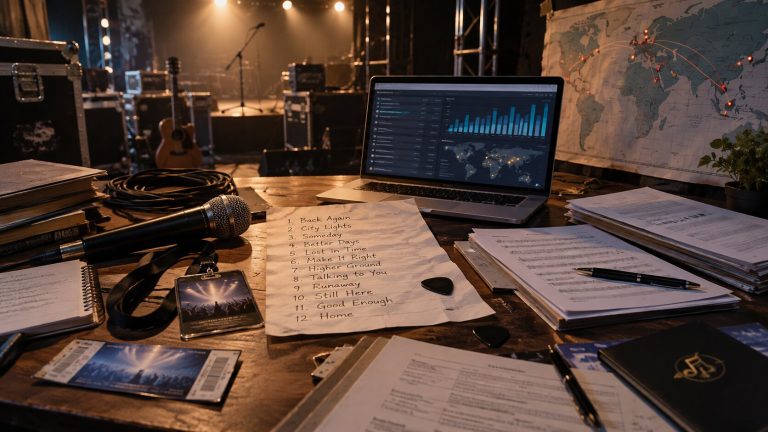


What is a modern music hub and how it empowers musicians
Many musicians feel lost navigating today’s digital music landscape. Traditional record labels once controlled access to audiences, but modern music hubs have transformed how artists showcase and monetize their work. These platforms offer integrated tools for distribution, fan engagement, and revenue generation without requiring major label backing. Understanding how these hubs function empowers you to build a sustainable music career independently. This guide explains what modern music hubs are, their core features, how leading platforms compare, and practical strategies for leveraging them effectively to expand your reach and income.
Table of Contents
- Key takeaways
- Understanding what a modern music hub is
- Core features and benefits of modern music hubs
- Comparing popular modern music hubs and their unique offerings
- How musicians and industry professionals can leverage modern music hubs effectively
- Discover BlockTone Records: your modern music hub partner
- Frequently asked questions
Key Takeaways
| Point | Details |
|---|---|
| Centralized music hubs | Modern hubs provide a single platform to manage distribution fan engagement and revenue for independent artists. |
| Global distribution reach | Automated distribution pushes tracks to major streaming services and digital stores worldwide while preserving master rights. |
| Real time insights | Real time analytics dashboards track plays saves playlist adds and demographic data to guide your strategy. |
| Direct fan monetization | Fan engagement tools enable direct revenue through subscriptions exclusive content drops and integrated merchandise sales. |
Understanding what a modern music hub is
A modern music hub functions as a comprehensive digital ecosystem where artists manage every aspect of their music career from a centralized platform. These hubs aggregate essential services that previously required multiple separate providers, creating streamlined workflows for independent musicians and industry professionals.
Music discovery for artists happens organically through algorithmic recommendations and curated playlists. The hub architecture supports several critical functions simultaneously. Distribution channels push your tracks to major streaming services while maintaining your master rights. Fan engagement tools facilitate direct communication through comments, live streams, and exclusive content drops. Monetization features process streaming royalties, merchandise transactions, and ticket sales through unified payment systems.
Modern music hubs offer integrated digital platforms for artists to showcase, connect, and monetize their work across multiple channels. The infrastructure supports collaboration features that connect you with producers, session musicians, and other artists for remote recording projects. Social networking components build community around your music, transforming passive listeners into active participants in your creative journey.
These platforms provide:
- Automated distribution to 150+ streaming services and digital stores worldwide
- Real-time analytics dashboards tracking plays, saves, playlist adds, and demographic data
- Integrated merchandise stores with print-on-demand fulfillment and inventory management
- Fan relationship management tools for email campaigns and exclusive content delivery
- Revenue tracking across all income streams with transparent royalty reporting
The hub model eliminates fragmented workflows that plague independent artists. Instead of juggling separate accounts for distribution, merchandising, analytics, and fan communication, you access everything through one interface. This consolidation saves time and reduces technical barriers, letting you focus energy on creating music rather than managing administrative tasks.
Core features and benefits of modern music hubs
Streaming integration represents the foundation of modern music hubs. Your releases automatically appear on Spotify, Apple Music, Amazon Music, and dozens of other platforms within days of upload. Playlist placement algorithms analyze your track metadata, genre tags, and early engagement metrics to recommend your music to curators and listeners. Music hubs enable artists to reach global audiences via streaming and discovery features, supporting sustainable revenue generation.
Fan engagement tools transform one-way broadcasting into interactive relationships. Comment sections on tracks let listeners share reactions directly with you. Live streaming capabilities broadcast studio sessions, Q&A events, or acoustic performances to your fanbase in real time. Exclusive content tiers offer superfans early access to unreleased tracks, behind-the-scenes footage, or limited merchandise in exchange for subscriptions.

Merchandise infrastructure removes logistical headaches from selling physical products. Upload designs for t-shirts, vinyl records, posters, or accessories, and the platform handles printing, inventory, shipping, and customer service. Direct-to-fan marketing features send targeted email campaigns announcing new releases, tour dates, or merchandise drops to segmented audience lists based on listening behavior and purchase history.
Analytics dashboards reveal patterns invisible without data aggregation. Geographic heat maps show where your listeners concentrate, informing tour routing decisions. Demographic breakdowns by age, gender, and listening habits help tailor marketing messages. Engagement metrics identify which tracks resonate strongest, guiding future creative direction and setlist planning.
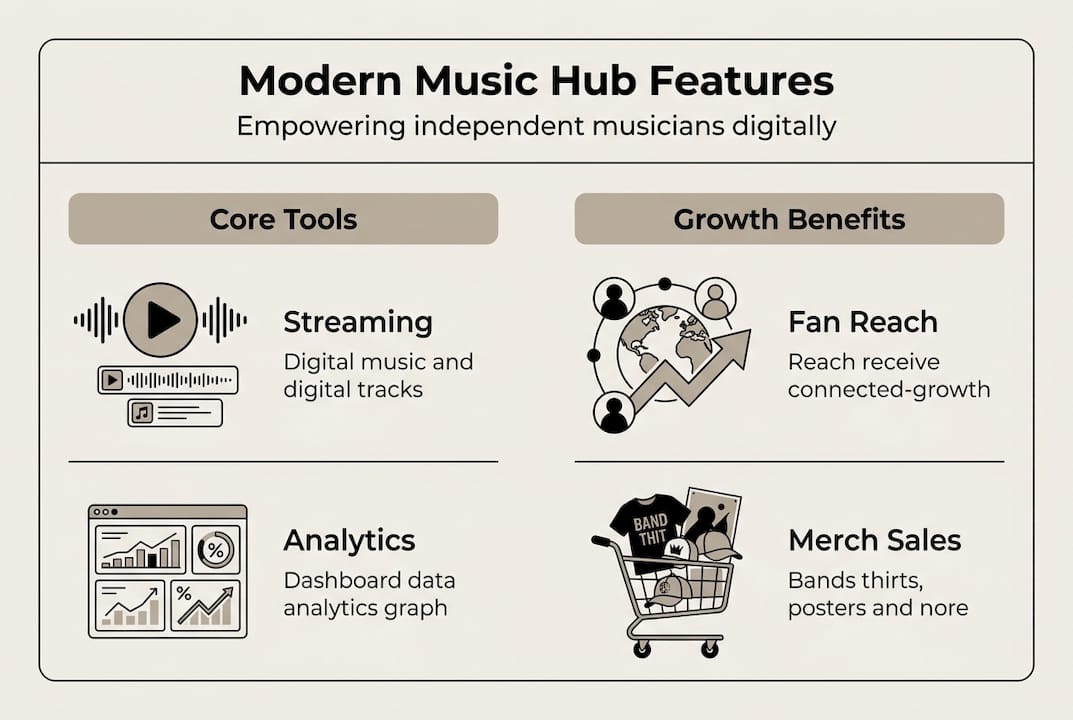
| Feature Category | Specific Tools | Direct Benefit |
|---|---|---|
| Distribution | Automated uploads, metadata management, ISRC codes | Reach 150+ platforms without individual submissions |
| Fan Engagement | Comments, live streams, exclusive content | Build loyal community and increase listener retention |
| Monetization | Streaming royalties, merch sales, subscriptions | Diversify income beyond performance revenue |
| Analytics | Listener demographics, geographic data, engagement metrics | Make informed decisions about marketing and touring |
The role of music platforms for artists extends beyond simple hosting. These hubs provide professional infrastructure previously available only to signed artists, democratizing access to global music markets.
Pro Tip: Schedule weekly engagement sessions where you respond to fan comments, share studio updates, and preview upcoming releases. Consistent interaction trains algorithms to prioritize your content in follower feeds, increasing organic reach without paid promotion.
Comparing popular modern music hubs and their unique offerings
Each music hub prioritizes different services, with some focusing on streaming optimization while others emphasize merchandise ecosystems or analytics depth. Understanding these distinctions helps you select platforms aligned with your career priorities and fanbase characteristics.
Streaming-focused hubs invest heavily in playlist placement algorithms and curator relationships. These platforms optimize metadata tagging, analyze sonic characteristics to match your tracks with similar artists, and pitch releases directly to editorial teams. The interface emphasizes release scheduling, pre-save campaigns, and first-week streaming momentum.
Merchandise-centric platforms provide robust e-commerce infrastructure with customizable storefronts, inventory management, and fulfillment partnerships. Design tools let you create product mockups without graphic design expertise. Integration with print-on-demand services eliminates upfront inventory costs and storage requirements.
Analytics-driven hubs offer granular data visualization and audience insights that inform strategic decisions. Advanced segmentation tools identify superfans for targeted outreach. Predictive analytics suggest optimal release timing based on historical listener behavior patterns. A/B testing features compare different artwork, pricing strategies, or promotional copy effectiveness.
| Hub Type | Primary Focus | Best For | Pricing Model |
|---|---|---|---|
| Streaming-optimized | Playlist placement, algorithmic discovery | Artists prioritizing reach and play counts | Percentage of royalties or annual subscription |
| Merchandise-focused | E-commerce, physical product sales | Artists with strong visual brand and engaged fanbase | Transaction fees or monthly store hosting |
| Analytics-heavy | Data insights, audience segmentation | Strategic artists making data-driven decisions | Tiered subscriptions based on feature access |
| All-in-one | Balanced feature set across categories | Independent artists seeking comprehensive solution | Combination of subscription and transaction fees |
User interface design significantly impacts daily workflow efficiency. Some platforms prioritize mobile-first experiences with streamlined apps for on-the-go updates. Others offer desktop-focused dashboards with complex multi-panel layouts for deep data analysis. Community features vary from basic comment sections to full social networks with artist-to-artist messaging and collaboration tools.
Music distribution tips for independent artists emphasize evaluating your specific needs before committing to a platform. Consider whether you need robust live event promotion, podcast hosting, or video content management. Integration capabilities matter too. Platforms connecting with external tools like email marketing services, social media schedulers, or accounting software reduce manual data transfer.
Social media integration depth varies considerably. Some hubs automatically share new releases across your connected accounts with customizable messaging. Others provide social listening tools that monitor brand mentions and fan conversations across platforms. The best apps to track concerts often integrate with music hubs to synchronize tour dates and ticket sales.
The role top singles albums play in platform algorithms affects how hubs structure release strategies. Some prioritize frequent single drops to maintain algorithmic momentum, while others support traditional album rollout campaigns with pre-release marketing tools.
How musicians and industry professionals can leverage modern music hubs effectively
Maximizing modern music hub benefits requires strategic planning beyond simply uploading tracks. Effective use of music hubs includes strategic content release, fan interaction, and leveraging analytics for growth. Your profile serves as your digital headquarters, so invest time crafting compelling artist bios, high-quality photos, and cohesive visual branding across all elements.
Follow these steps to build a powerful hub presence:
- Complete every profile section with keyword-rich descriptions that help discovery algorithms categorize your music accurately. Include genre tags, influences, and location data.
- Upload your full catalog with consistent metadata formatting. Ensure album artwork meets platform specifications and track titles follow standardized naming conventions.
- Schedule releases strategically using platform data about when your audience engages most actively. Avoid major industry release days when competition for attention peaks.
- Create pre-save campaigns two weeks before release dates. Use email lists and social media to drive early commitment, signaling algorithmic systems that your release deserves promotion.
- Engage within 24 hours of release by responding to every comment, sharing fan reactions, and posting behind-the-scenes content explaining creative choices.
- Monitor analytics daily during release week, adjusting promotional tactics based on real-time performance data. Double down on channels driving the most engagement.
- Maintain consistent activity between releases through studio updates, playlist curation, and collaborative content with other artists on the platform.
Fan interaction quality matters more than quantity. Thoughtful responses to comments build genuine relationships that translate into concert attendance and merchandise purchases. Live streaming sessions create intimate experiences that deepen listener investment in your success. Exclusive content tiers reward your most dedicated supporters while generating predictable recurring revenue.
Platform analytics reveal opportunities invisible through casual observation. Geographic concentration data identifies cities worth targeting for tour stops. Demographic insights inform advertising targeting parameters on social platforms. Playlist add rates indicate which tracks resonate strongest, guiding future creative direction and live setlist construction.
Why artists need music platforms becomes clear when comparing independent careers built through hubs versus traditional label deals. Hub-focused artists retain master rights, control release timing, and access transparent revenue data. The trade-off involves handling marketing and promotion yourself rather than relying on label teams.
Pro Tip: Diversify your presence across multiple complementary hubs rather than concentrating exclusively on one platform. Use a streaming-optimized hub for distribution, a merchandise-focused platform for physical products, and an analytics-heavy service for data insights. This multi-hub strategy taps different audience segments while protecting against platform policy changes or algorithm updates that might reduce visibility.
Consistency drives algorithmic favor across all music hub platforms. Regular release schedules train both algorithms and fans to anticipate new content. Weekly engagement through comments, stories, or live streams maintains visibility in follower feeds. Sustained activity over months and years compounds growth through network effects as satisfied fans recommend your music within their social circles.
Discover BlockTone Records: your modern music hub partner
After exploring how modern music hubs empower independent musicians, you might wonder which platform offers the comprehensive features discussed throughout this guide. BlockTone Records embodies the integrated hub model, combining distribution, fan engagement, and monetization tools specifically designed for emerging and established artists seeking to expand their reach.
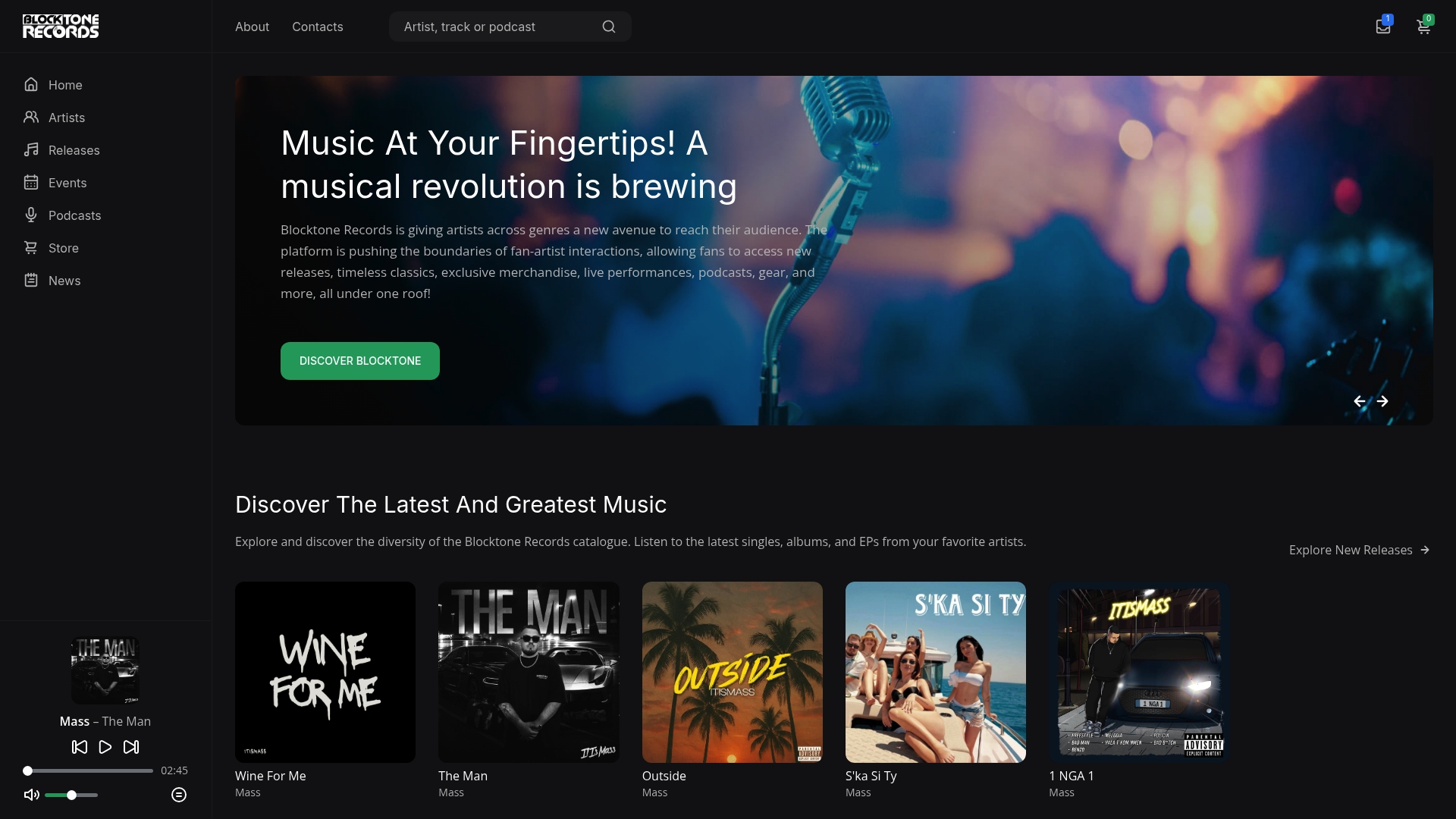
The platform provides music discovery for artists through curated playlists, algorithmic recommendations, and community features that connect you with engaged listeners across genres. Whether you’re releasing your debut single or managing an extensive catalog, BlockTone offers the infrastructure to showcase your work professionally while retaining creative control and ownership rights.
Explore music distribution tips for independent artists through the platform’s resource center, which provides actionable guidance on release strategy, marketing tactics, and revenue optimization. The integrated approach eliminates the complexity of managing multiple service providers, letting you focus energy on creating music while the platform handles technical distribution and promotional infrastructure.
Frequently asked questions
What exactly is a modern music hub?
A modern music hub is an integrated digital platform where artists manage distribution, streaming, fan engagement, merchandise sales, and analytics from one centralized interface. Unlike traditional single-purpose services, these hubs combine multiple functions previously requiring separate providers. They democratize access to professional music industry infrastructure that was once exclusive to signed artists with label backing.
How do independent artists benefit from using music hubs?
Independent artists gain direct access to global audiences without intermediaries taking large revenue percentages. Music hubs provide streaming distribution, merchandising infrastructure, and fan relationship tools while letting you retain master rights and creative control. Analytics features inform strategic decisions about touring, marketing, and future releases based on actual listener behavior rather than guesswork.
What distinguishes modern music hubs from traditional record labels?
Modern music hubs operate as service platforms rather than rights holders. You maintain ownership of your master recordings and make all creative decisions independently. Hubs charge transparent fees or take small revenue percentages rather than recouping undefined expenses against future royalties. The relationship remains non-exclusive, letting you distribute through multiple channels simultaneously and terminate service without contractual complications.
How should a new artist start using a music hub effectively?
Begin by completing your profile thoroughly with professional photos, compelling bio copy, and complete discography uploads. Research optimal release timing using platform analytics about when your target audience engages most actively. Build pre-release momentum through email campaigns and social media teasers that drive pre-saves. Engage consistently with early listeners through comments and exclusive content to trigger algorithmic promotion. Monitor performance data closely and adjust tactics based on what the numbers reveal about audience preferences.
Can artists use multiple music hubs simultaneously?
Yes, strategic artists often use complementary hubs to maximize different capabilities. You might distribute through one platform optimized for streaming placement while using another for merchandise sales and a third for deep analytics. Ensure your distribution agreements allow non-exclusive multi-platform presence. This diversification protects against algorithm changes on any single platform while letting you tap specialized features from multiple services tailored to specific needs.