

Unlock the role of artist branding to grow your music career
Independent artists now hold 46.7% of the global music market, yet most earn only 0-10% of their income from Spotify royalties. This stark reality reveals a critical truth: talent and streaming numbers alone won’t build a sustainable music career. The missing ingredient? Strategic artist branding. Your brand is the bridge between your music and meaningful fan relationships that generate real revenue. This guide shows you exactly how to craft an authentic artist identity that transforms listeners into loyal supporters and unlocks diverse income streams beyond streaming platforms.
Table of Contents
- Key takeaways
- What is artist branding and why it matters
- How branding drives independent artist success beyond streaming
- Key artist branding strategies for independent musicians
- Measuring branding impact and evolving with your career
- Explore opportunities with BlockTone Records
- Frequently asked questions
Key Takeaways
| Point | Details |
|---|---|
| Revenue diversification | Strong branding enables income beyond streaming by turning fans into buyers of merchandise, live shows, crowdfunding campaigns, and other revenue streams. |
| Cohesive brand identity | A unified sonic signature, visuals, storytelling, values, and audience targeting create a distinct, authentic image fans recognize and support. |
| Consistency builds loyalty | Consistent branding helps fans understand who you are, leading to anticipation for releases, performances, and financial support. |
| Early branding advantage | Starting authentic branding early accelerates career growth by shaping fan relationships before numbers show up. |
| Branding as strategic language | Using defined music branding terms improves communication with fans, partners, and teams and aligns messaging across channels. |
What is artist branding and why it matters
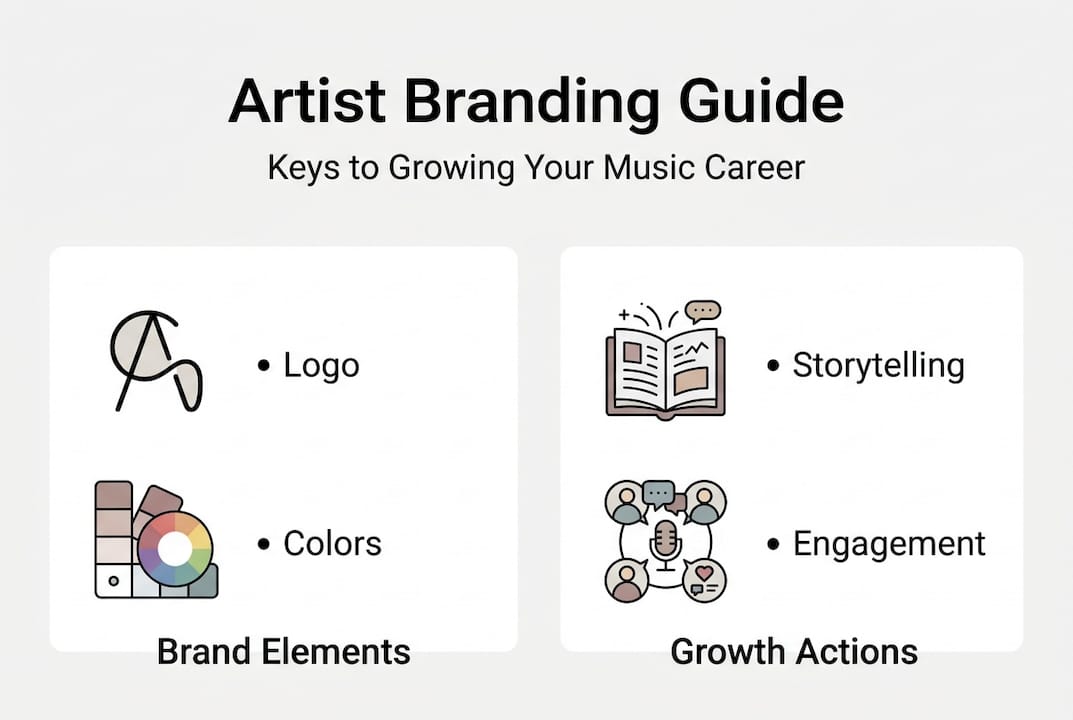
Artist branding is the deliberate process of crafting a cohesive identity that encompasses your sonic signature, visual elements, storytelling, core values, and targeted audience. Think of it as the complete experience fans associate with your name before they even press play. Your sonic signature includes production style, vocal tone, and genre fusion that makes your tracks instantly recognizable. Visual identity covers everything from album artwork to stage presence and social media aesthetics.
Each branding element works together to create distinction in an oversaturated market. Your storytelling reveals the why behind your music, connecting emotional threads between songs and building narrative momentum across releases. Core values communicate what you stand for, whether that’s authenticity, innovation, social justice, or pure artistic expression. Audience targeting ensures you’re speaking directly to listeners who resonate with your message rather than trying to appeal to everyone.
Consistent and authentic branding builds fan loyalty because people connect with artists they understand and trust. When your visual identity matches your sonic style and both align with your narrative, fans develop a complete picture of who you are. This recognition translates to anticipation for new releases, willingness to attend shows, and enthusiasm to support your work financially. Inconsistency confuses potential fans and dilutes your market position.
Exploring multi-genre music artistic reach can expand your creative boundaries while maintaining brand coherence. The key is ensuring genre experimentation still feels authentically you rather than chasing whatever’s trending.
Pro Tip: Start with authentic narrative content that reflects your genuine artistic journey rather than mimicking viral trends. Fans detect manufactured personas quickly, and algorithmic favor is temporary while authentic connection builds careers.
How branding drives independent artist success beyond streaming
Streaming royalties create a harsh economic reality for independent musicians. With payouts averaging $0.003 to $0.005 per stream, you’d need millions of plays monthly just to approach minimum wage. Independent artists earn only 0-10% of total income from Spotify despite representing nearly half the market. This forces a strategic pivot toward revenue diversification, and strong branding is the foundation that makes multiple income streams viable.
| Revenue Source | Typical Income Proportion | Branding Dependency |
|---|---|---|
| Streaming royalties | 0-10% | Low |
| Live performances | 25-40% | High |
| Merchandise sales | 15-25% | Very High |
| Crowdfunding/Patreon | 10-20% | Very High |
| Sync licensing | 5-15% | Medium |
| Teaching/workshops | 5-10% | Medium |
Effective branding transforms casual listeners into engaged fans who show up to concerts, buy merchandise, and support crowdfunding campaigns. Understanding what is music streaming helps you optimize that channel while recognizing its limitations. When fans connect with your complete artistic identity, they’re investing in you as a person and creative force, not just consuming individual tracks.
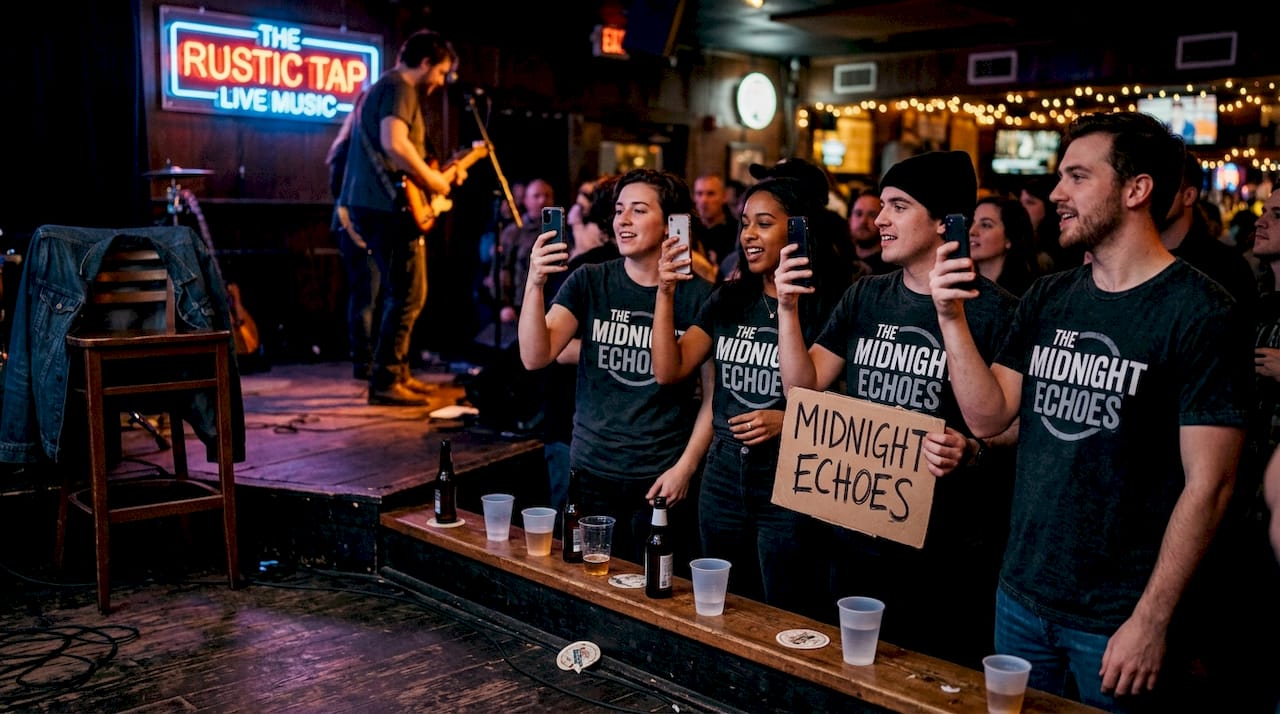
Taylor Swift’s strategic rebranding demonstrates this power at scale. Her intentional evolution across musical eras, coupled with masterful storytelling and fan engagement, generated $2B+ in Eras Tour revenue. While most independent artists won’t reach that level, the principle scales: consistent branding multiplies the value of every fan relationship.
Diversified revenue strategies enabled by strong branding include:
- Limited edition merchandise tied to specific releases or tour dates
- VIP meet and greet experiences that deepen personal connections
- Exclusive content tiers on Patreon or similar platforms
- House concerts and intimate performances for dedicated fans
- Collaborative products with brands aligned to your values
- Online courses teaching your musical skills or creative process
Navigating music distribution channels explained ensures your music reaches listeners everywhere while you build direct relationships that drive sustainable income.
Pro Tip: Focus on cultivating 1,000 true superfans who will support you across multiple revenue streams rather than chasing millions of passive listeners. Those dedicated supporters generate exponentially more value than casual streaming audiences.
Streaming income alone cannot sustain most independent music careers. Artists who treat branding as seriously as songwriting unlock the direct fan relationships and diverse revenue streams necessary for long-term sustainability and creative freedom.
Key artist branding strategies for independent musicians
Building an effective artist brand requires intentional strategy and consistent execution. Follow these steps to establish and evolve your brand:
- Define your core artistic identity by identifying the themes, emotions, and messages central to your music
- Develop a visual language that reflects your sonic style through consistent color palettes, typography, and imagery
- Craft your origin story and ongoing narrative that gives fans context for your creative journey
- Identify your target audience demographics and psychographics to focus communication efforts
- Create content pillars that balance promotional material with authentic behind-the-scenes storytelling
- Establish presence on platforms where your target audience actively engages with music content
- Build feedback loops to understand what resonates and adjust strategy accordingly
Start branding early even with a small fanbase. Waiting until you have significant following means missed opportunities to shape perception from the beginning. Use narrative-based content that reveals your creative process, influences, and artistic evolution rather than jumping on every viral trend. Evolve your brand intentionally with musical cycles, updating visual identity and messaging as your sound matures while maintaining core recognition elements.
| Approach | Trend-Chasing | Authentic Narrative |
|---|---|---|
| Foundation | External validation | Internal artistic vision |
| Consistency | Shifts with algorithms | Evolves with artist growth |
| Fan connection | Shallow, temporary | Deep, lasting |
| Differentiation | Blends with competitors | Creates unique position |
| Sustainability | Exhausting, reactive | Energizing, proactive |
Understanding specialized terminology helps you communicate effectively with industry professionals. Music Branding Expert Terminology (MBET) includes concepts like sonic branding (audio elements that trigger brand recognition), brand architecture (how sub-brands or alter egos relate to main identity), and brand equity (accumulated value of your reputation and fan relationships). Using precise language demonstrates professionalism and accelerates partnerships.
DIY branding tools and techniques empower independent artists to compete without major label budgets:
- AI-powered design tools like Canva or Adobe Express for professional visual content
- Social listening platforms to monitor audience sentiment and trending topics
- Email marketing services to build owned communication channels
- Analytics dashboards to track engagement across platforms
- Collaboration networks to cross-promote with complementary artists
Treat your music career as an entrepreneurial venture with branding as a core business pillar, not an afterthought. Benchmark successful peers using frameworks like the Artist Branding Onion, which maps surface elements (visuals, taglines) through deeper layers (values, mission) to core identity. Adapt proven strategies to your unique context rather than copying exactly.
Implementing music distribution tips for independent artists ensures your branded music reaches maximum audiences. Understanding the role of music platforms for artists helps you leverage each channel strategically within your overall brand ecosystem.
Pro Tip: Study three artists whose brands you admire and deconstruct exactly how they communicate identity through visuals, language, content mix, and fan interaction. Identify transferable principles you can adapt to your unique artistic vision.
Measuring branding impact and evolving with your career
Assessing branding effectiveness requires looking beyond streaming numbers to engagement quality and fan behavior. Empirical audio features predict popularity, but branding adds the narrative layer that transforms casual listeners into committed supporters. Track metrics that reveal relationship depth rather than just reach.
Key performance indicators for branding success include:
- Social media engagement rate (comments and shares vs. just likes)
- User-generated content volume (fans creating art, covers, or videos featuring your music)
- Email list growth and open rates for direct communication
- Merchandise sales per capita among your fanbase
- Crowdfunding or Patreon conversion rates and retention
- Live event attendance trends and ticket purchase timing
- Playlist additions by listeners (not just editorial placements)
- Direct message volume and sentiment from fans
Intentional brand evolution keeps your identity fresh while maintaining recognition. As your musical style matures or you explore new creative directions, update visual elements and messaging to reflect growth. This prevents disconnect between your current artistic output and outdated brand presentation. Major album cycles or career milestones provide natural evolution points.
Soliciting fan feedback through surveys, polls, or direct conversations reveals how your brand is perceived versus your intentions. Ask what words fans associate with your music, what emotions your visuals evoke, and what makes you different from similar artists. This intelligence guides refinement without compromising authenticity.
Monitoring industry trends helps you stay relevant without chasing every fad. Identify which emerging platforms, formats, or communication styles align with your brand values and where your audience is genuinely moving. Adopt innovations that enhance your existing identity rather than forcing mismatched trends.
Maintaining authenticity during evolution means changes feel like natural growth rather than reinvention. Your core artistic values and mission should remain stable even as surface expressions adapt. Communicate the why behind brand updates to bring fans along the journey rather than surprising them with abrupt shifts.
Continuous learning and iteration keep your brand compelling as the music industry evolves. Experiment with new content formats, test different messaging approaches, and analyze what drives deeper engagement. Successful branding is never finished but constantly refined based on results and artistic development.
Leveraging strategies to showcase new music boost plays amplifies each release’s impact when supported by strong branding foundations. Your established identity gives new music immediate context and built-in audience anticipation.
Explore opportunities with BlockTone Records
Building a sustainable music career requires both strong branding and the right platform support. BlockTone Records provides independent artists with comprehensive resources to amplify their brand and connect with engaged fans. The platform emphasizes music discovery, helping artists reach listeners actively seeking new sounds across multiple genres.
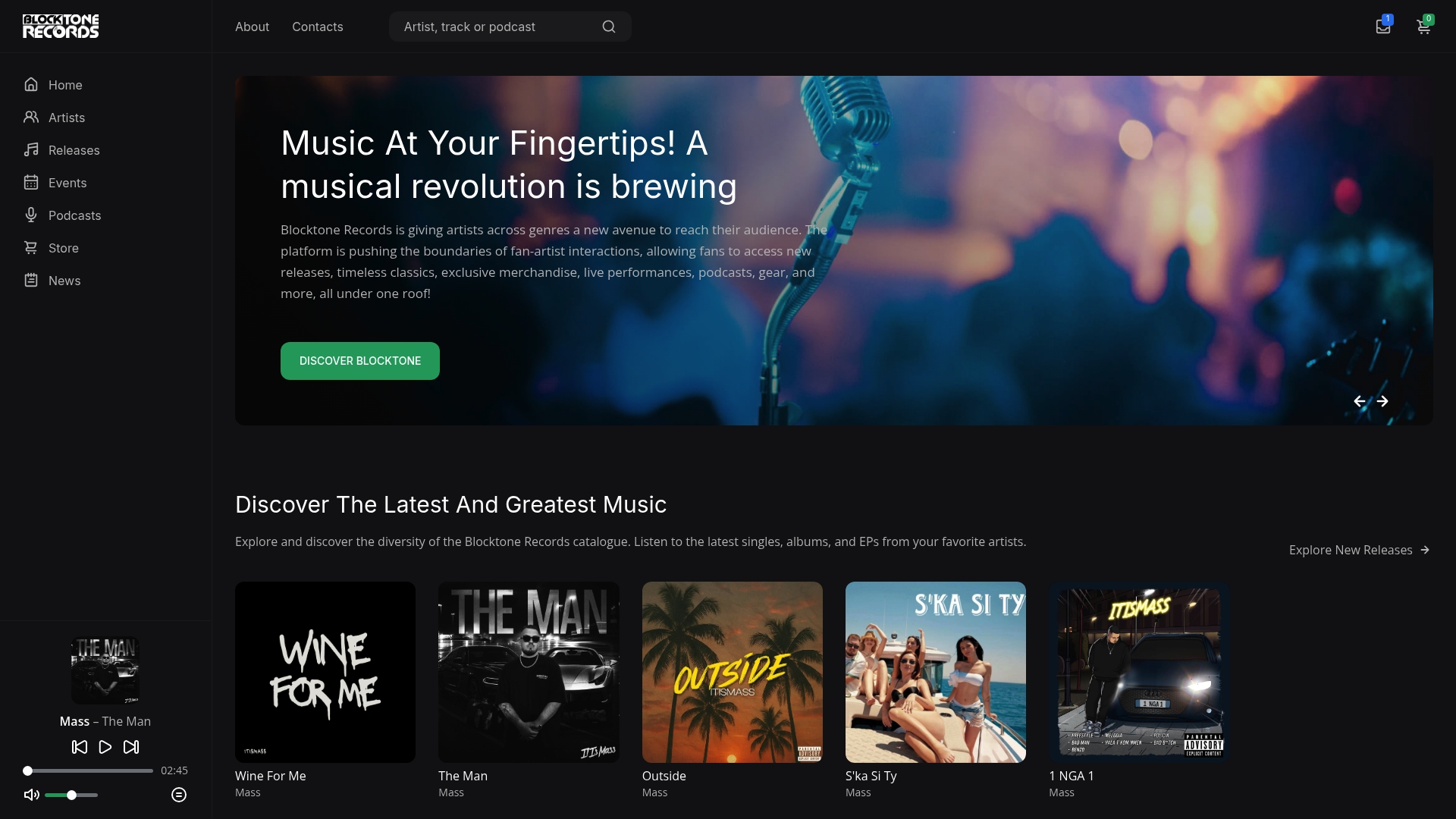
Explore BlockTone Records new releases to see how the platform showcases diverse independent artists and positions their work for maximum visibility. The music discovery for artists features help you understand how to leverage platform tools for audience growth. Apply proven music distribution tips for independent artists to ensure your branded music reaches listeners everywhere while building direct fan relationships that drive sustainable income.
Frequently asked questions
What is artist branding and why is it important?
Artist branding is the deliberate creation of a cohesive identity through your music, visual presentation, storytelling, values, and audience targeting. It matters because the digital music landscape is oversaturated, and strong branding creates the differentiation and emotional connection that transforms casual listeners into loyal fans who support your career financially.
How does artist branding differ from just making good music?
Good music is essential but insufficient for career success. Branding provides the context, narrative, and visual framework that helps listeners understand who you are and why your music matters. It creates memorable associations and builds relationships that extend beyond individual tracks to your complete artistic identity.
Can independent artists build effective brands without big budgets?
Absolutely. Authentic storytelling, consistent visual identity, and strategic social media engagement cost little beyond time and creativity. Free design tools, owned platforms like email lists, and direct fan interaction enable powerful branding without major financial investment. Focus beats budget in building genuine connections.
How can independent artists start building their brand with limited resources?
Begin by defining your core artistic identity and the story behind your music. Use free design tools like Canva to create consistent visual content across platforms. Focus on authentic, narrative-driven posts that reveal your creative process rather than chasing every trend. Distribute music through accessible services to maximize reach while engaging directly with every fan who comments or messages.
What are the most important branding elements for new artists?
Prioritize authentic storytelling that reveals your artistic journey and what drives your creativity. Develop a simple but consistent visual identity using specific colors, fonts, and imagery styles. Identify your target audience clearly so you can speak directly to listeners most likely to connect with your message. Build owned communication channels like email lists early.
Should I focus on one platform or be everywhere?
Start with 2-3 platforms where your target audience actively engages with music content. Master those channels with consistent, quality content before expanding. Being mediocre everywhere dilutes impact, while excellence on key platforms builds momentum. Choose based on where your specific audience demographic spends time, not just platform popularity.
What metrics should artists track to evaluate their branding success?
Track engagement quality over vanity metrics by measuring comment depth, user-generated content, email open rates, and merchandise sales relative to audience size. Monitor crowdfunding conversion rates and live event attendance trends. Analyze sentiment in direct fan messages and how quickly new releases gain traction with existing followers versus cold audiences.
How do I know if my branding is working?
Effective branding shows up as fans describing your identity consistently using similar language, creating content inspired by your work, and supporting you across multiple revenue streams. You’ll see faster traction on new releases, higher conversion rates from listeners to engaged fans, and organic word-of-mouth growth as people recommend you to others.
How often should I update or evolve my artist brand?
Evolve your brand intentionally around major musical milestones like album cycles or significant artistic growth rather than constantly changing. Minor refreshes every 12-18 months keep things current, while major evolutions should align with genuine shifts in your sound or artistic direction. Consistency builds recognition, so change only when it reflects authentic development.