
How to Showcase New Music: Boost Plays 33% with Steps
You’ve poured your heart into creating new music, but uploading it online doesn’t guarantee anyone will listen. Without a strategic approach to promotion and fan engagement, even exceptional tracks can languish unheard in a saturated digital landscape. This guide provides clear, actionable steps to showcase your new music effectively, engage fans authentically, and maximize your reach across streaming platforms.
Table of Contents
- Prerequisites: What You Need Before Showcasing New Music
- Step 1: Plan Your Music Release Strategy
- Step 2: Distribute Your Music Across Key Digital Platforms
- Step 3: Engage Fans With Diverse And Interactive Content
- Step 4: Measure Success And Optimize Fan Reach
- Step 5: Common Mistakes And Troubleshooting
- Step 6: Alternative Approaches And Their Tradeoffs
- Expected Outcomes: What Success Looks Like
- Discover Tools & Support To Promote Your Music With BlockTone Records
- How To Showcase New Music: Frequently Asked Questions
Key Takeaways
| Point | Details |
|---|---|
| Strategic preparation prevents launch failures | Set up distribution accounts, analytics access, and promotional assets weeks before release to ensure smooth coordination. |
| Synchronized releases maximize initial streams | Coordinating availability across all platforms simultaneously prevents confusion and preserves up to 20% of potential streams. |
| Diverse engagement content retains fans | Live streaming and behind-the-scenes material can increase fan retention by 30% compared to static posts alone. |
| Data-driven optimization improves reach | Analytics-based campaign adjustments can boost audience reach by 27% over intuition-based strategies. |
| Niche influencer partnerships drive plays | Collaborating with micro-influencers in your genre can increase plays by 33% through targeted promotion. |
Prerequisites: What You Need Before Showcasing New Music
Before launching your promotional campaign, you need the right digital infrastructure in place. Rushing this setup causes preventable errors that undermine your release.
First, establish accounts with digital distributors like DistroKid or TuneCore to deliver your music to streaming platforms. These services handle the technical requirements for getting your tracks on Spotify, Apple Music, and other major outlets. Without a distributor, you cannot reach the platforms where most listeners discover new music.
Next, prepare professional-quality assets:
- High-resolution audio files meeting platform specifications (typically 16-bit/44.1kHz WAV files)
- Eye-catching cover artwork sized correctly for each platform (minimum 3000×3000 pixels)
- Compelling artist bio and press kit for media outreach
- Promotional graphics optimized for social media dimensions
You also need fan communication channels ready to activate. Create or update social media profiles across Instagram, TikTok, and Facebook. Build an email list using services like Mailchimp or ConvertKit to reach fans directly. Access to artist dashboards like Spotify for Artists is essential for analytics access, so claim your profiles on all platforms where your music will appear.
Complete these preparations at least four weeks before your release date. Last-minute scrambling creates release coordination errors that cost you streams and momentum. Learn more music distribution tips to avoid common setup mistakes.
Pro Tip: Create a master checklist tracking every prerequisite task with deadlines. Check items off as you complete them to maintain accountability and catch gaps early.
Step 1: Plan Your Music Release Strategy
A coordinated release strategy transforms scattered efforts into focused momentum. Without a clear plan, you risk confusing potential fans with inconsistent messaging and timing.
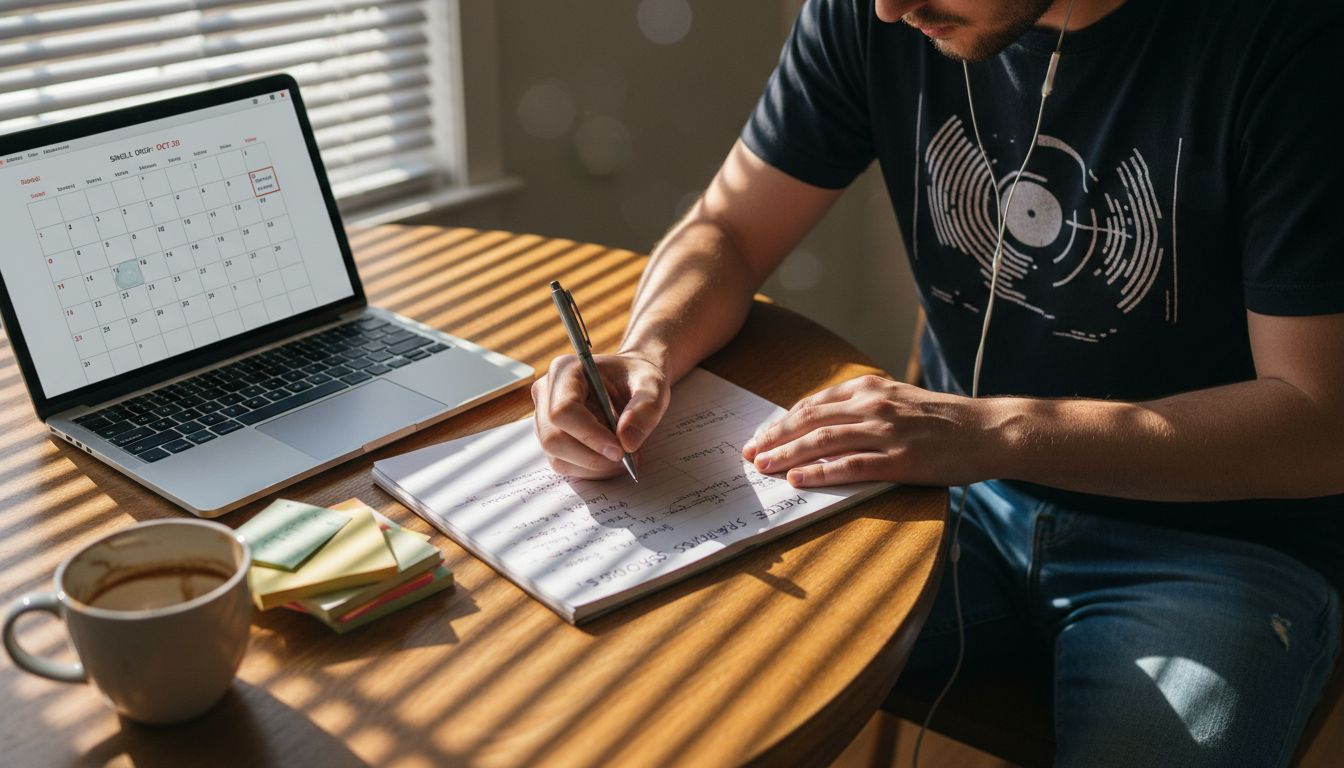
A well-structured 6 to 8-week promotional timeline enhances engagement by building anticipation before launch and sustaining interest afterward. Your timeline should cover three distinct phases:
- Pre-release phase (4-6 weeks before launch): Tease upcoming music through snippet videos, behind-the-scenes content, and announcements. Build email list and social following.
- Launch week: Execute coordinated promotion across all channels. Engage directly with fans through live streams and social interaction.
- Post-launch phase (4-6 weeks after release): Sustain momentum with fresh content, playlist pitching, and ongoing fan engagement.
Synchronize your release date across all platforms to prevent stream fragmentation. When different platforms show different availability dates, confused fans may not find your music or assume it hasn’t released yet. This coordination is crucial for an effective music release strategy.
Define your target audience precisely. Are you reaching existing fans, attracting new listeners in your genre, or both? Choose promotional channels that match where your audience spends time. Electronic music fans congregate differently than country music enthusiasts.
Create a content calendar mapping specific posts, videos, and engagement activities to each day of your timeline. This prevents last-minute panic about what to share next. Understanding release coordination importance helps you maintain consistency throughout the campaign.
Pro Tip: Build buffer time into your schedule for unexpected delays. If mastering takes longer than expected or a platform approval gets delayed, you can adjust without derailing your entire campaign.
Step 2: Distribute Your Music Across Key Digital Platforms
Getting your music onto the right platforms determines who can discover and stream it. Major streaming platforms represent over 80% of the global music consumption market share, making them essential for reaching listeners.
Prioritize these platforms for maximum reach:
- Spotify: Largest streaming service with powerful playlist ecosystem and detailed analytics
- Apple Music: Premium positioning attracts engaged listeners willing to pay for music
- Amazon Music: Growing rapidly, especially among Prime subscribers
- YouTube Music: Video integration offers unique promotional opportunities
- Tidal: Appeals to audiophiles seeking high-quality streaming
Implement pre-save campaigns that let fans add your music to their libraries before release day. When your track goes live, it automatically appears in their collection and starts playing. This generates crucial first-week streams that signal platform algorithms to recommend your music more widely.
Optimize your track metadata carefully. Accurate genre tags, mood descriptors, and instrument listings help algorithmic playlists discover your music. Incomplete or incorrect metadata reduces your chances of playlist inclusion.
Use your distributor’s tools to ensure simultaneous availability across all platforms. Staggered releases confuse fans and split your promotional impact across multiple dates. Coordinated digital music distribution concentrates attention on a single launch moment.
| Platform | Market Share | Key Feature | Best For |
|---|---|---|---|
| Spotify | 31% | Algorithmic playlists | Discovery and viral growth |
| Apple Music | 15% | Human-curated playlists | Premium audience |
| Amazon Music | 13% | Prime integration | Broad consumer reach |
| YouTube Music | 8% | Video content | Visual storytelling |
| Tidal | 3% | Hi-fi audio | Audiophile listeners |
Research music distribution market share trends to understand where your genre performs strongest and prioritize those platforms in promotional efforts.
Step 3: Engage Fans with Diverse and Interactive Content
Distribution gets your music online, but engagement transforms passive listeners into active fans who share your work. Authentic interaction builds the community that sustains your career.
Live streaming performances increase engagement by 40%, diverse content by 30% compared to static posts alone. Schedule live sessions where you perform new tracks, answer questions, and interact in real time. Platforms like Instagram Live, TikTok Live, and YouTube Live let fans feel connected to you personally.
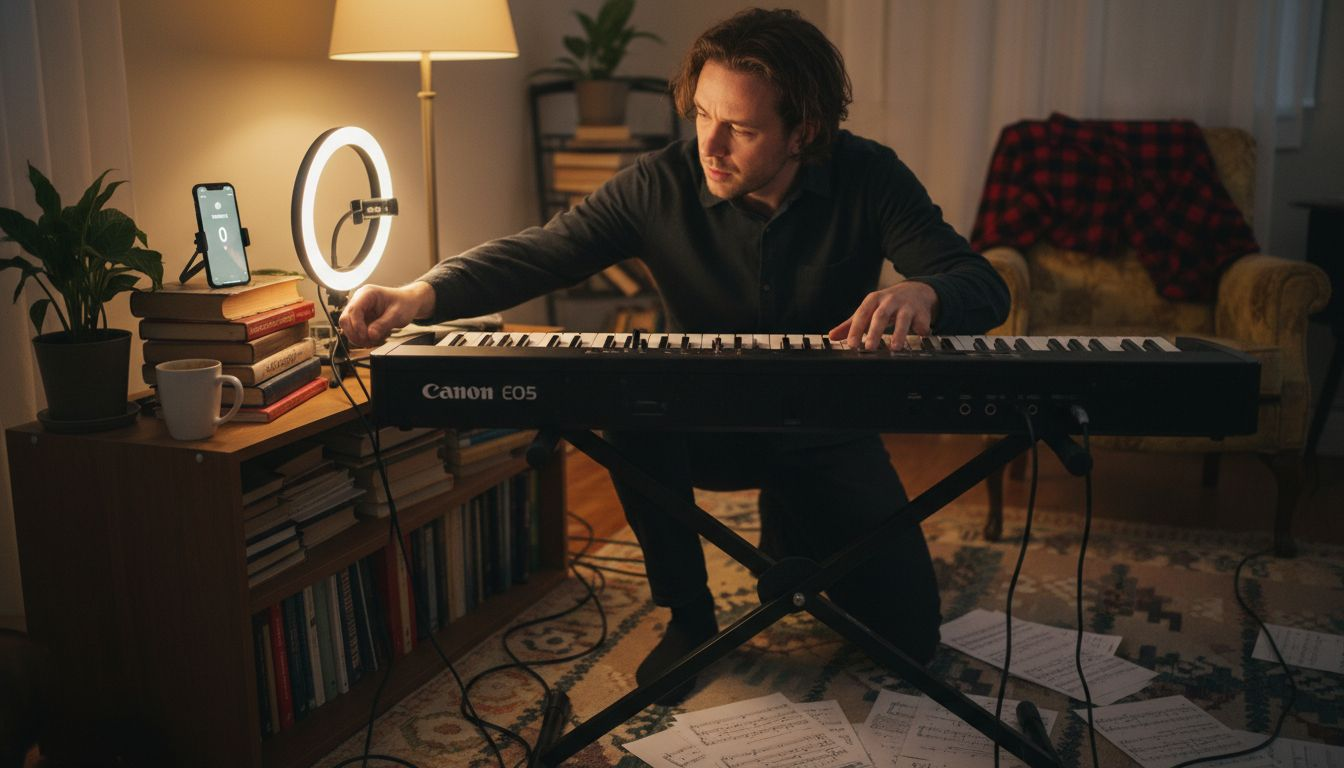
Create behind-the-scenes content showing your creative process. Studio sessions, songwriting moments, and personal stories humanize you beyond just the finished product. Fans who understand your journey invest more emotionally in your success.
Leverage interactive social media features:
- Polls and questions: Ask fans to choose setlists, vote on merchandise designs, or suggest collaboration ideas
- Stories and reels: Share quick updates, teasers, and personality glimpses that disappear after 24 hours
- Comment engagement: Respond personally to comments and messages to build individual connections
- User-generated content: Encourage fans to create videos using your music and reshare the best ones
Diversify your content formats to maintain interest. Mix video clips, static images, audio snippets, and text posts. Different formats appeal to different learning styles and platform algorithms reward variety.
Explore proven fan engagement strategies that independent artists use successfully to build devoted followings without major label budgets.
Pro Tip: Schedule regular live Q&A sessions during your campaign, like every Friday at 7pm. Consistency trains fans to show up and builds anticipation for each session.
Step 4: Measure Success and Optimize Fan Reach
Promotion without measurement wastes effort on tactics that don’t work. Analytics reveal what resonates with your audience so you can do more of what succeeds.
Regularly monitor platform-specific analytics dashboards. Spotify for Artists shows playlist adds, listener demographics, and skip rates. YouTube Analytics tracks watch time, traffic sources, and audience retention. Each platform offers unique insights into how fans discover and interact with your music.
Track these key metrics:
- Stream counts: Total plays and unique listeners indicate overall reach
- Playlist additions: Algorithmic and editorial playlist inclusion drives discovery
- Follower growth: New followers represent fans committing to hear future releases
- Engagement rates: Likes, comments, shares, and saves show active interest beyond passive listening
- Geographic data: Where your fans live helps plan tours and target advertising
Adjusting campaigns based on analytics can improve reach by 27% compared to static strategies that ignore performance data. If Instagram stories generate more engagement than posts, shift resources accordingly. If certain times of day yield better results, schedule content for those windows.
Avoid making frequent, unsupported changes that confuse your audience. Let campaigns run long enough to gather meaningful data before pivoting. Small sample sizes produce misleading conclusions.
Document learnings after each release cycle. What worked? What flopped? Why? This institutional knowledge compounds over time, making each subsequent campaign smarter than the last.
Deepen your understanding of streaming analytics to interpret platform data accurately and make informed strategic decisions.
Step 5: Common Mistakes and Troubleshooting
Even experienced artists make preventable errors that undermine their promotional efforts. Recognizing these pitfalls helps you avoid them.
Unsynchronized releases create the most damaging problems. When your music appears on Spotify Tuesday but doesn’t hit Apple Music until Friday, fans get confused. Some assume technical problems exist. Others find it elsewhere and your Apple Music numbers suffer permanently.
Unsynchronized release dates cause up to 20% stream loss as fragmented availability dilutes promotional impact and confuses potential listeners searching across platforms.
Maintain consistent promotional messaging and scheduling throughout your campaign. Sporadic posting makes fans forget about you between updates. Inconsistent tone or visuals creates brand confusion. Regular, cohesive communication keeps you top of mind.
Common troubleshooting needs:
- Low first-week streams: Increase pre-save campaigns and coordinate promotional push on release day
- Poor playlist placement: Improve metadata tagging and pitch directly to playlist curators
- Declining engagement: Refresh content formats and increase interactive elements like polls and Q&As
- Geographic concentration: Expand advertising to underperforming regions or accept natural audience clusters
Don’t neglect direct communication channels like email newsletters. Social media algorithms limit organic reach, but email lands directly in inboxes. Build your list consistently and use it strategically.
Fix problems proactively by monitoring metrics weekly and adjusting quickly when something underperforms. Waiting until after your campaign ends wastes the critical launch window.
Learn from others’ experiences with avoiding common music release mistakes and understand the impact of unsynchronized releases on long-term streaming performance.
Step 6: Alternative Approaches and Their Tradeoffs
Beyond mainstream streaming promotion, several alternative tactics offer different benefits and limitations. Understanding tradeoffs helps you choose methods matching your goals and resources.
Micro-influencer collaborations connect you with niche audiences highly engaged in your genre. Niche influencer partnerships can increase plays by 33% because their followers trust their recommendations. However, finding the right influencers requires networking effort and relationship building. Not every influencer will respond or align with your music.
Email marketing nurtures deeper relationships with existing fans through personalized communication. Newsletters generate steady engagement improvements of 15 to 20% over time as you refine messaging. The limitation is building the list initially. New artists start with zero subscribers and must invest months growing their email audience.
Broad social media advertising campaigns reach massive audiences quickly through paid promotion. You can target specific demographics and interests precisely. The downside is lower per-user retention. People who discover you through ads engage less than those finding you organically or through trusted recommendations.
| Approach | Primary Benefit | Main Limitation | Best Situation |
|---|---|---|---|
| Micro-influencers | 33% play increase, highly targeted | Requires networking, hit or miss | Genre with active influencer community |
| Email newsletters | 15-20% engagement lift, direct access | Slow list building, high effort | Established artists with fan base |
| Social media ads | Massive reach, precise targeting | Lower retention, ongoing cost | Launch campaigns with budget |
| Playlist pitching | Algorithmic boost, credibility | Competitive, slow acceptance | Strong tracks fitting playlist themes |
Recommend approaches based on your budget and campaign scale. Emerging artists with limited funds benefit most from micro-influencer partnerships and organic social engagement. Established artists with budgets can layer paid advertising onto organic efforts.
Explore alternative music promotion methods and research micro-influencer music promotion case studies showing real results from targeted partnerships.
Expected Outcomes: What Success Looks Like
Understanding realistic benchmarks prevents frustration and helps you recognize genuine progress. Success metrics vary by artist size and genre, but certain patterns hold true.
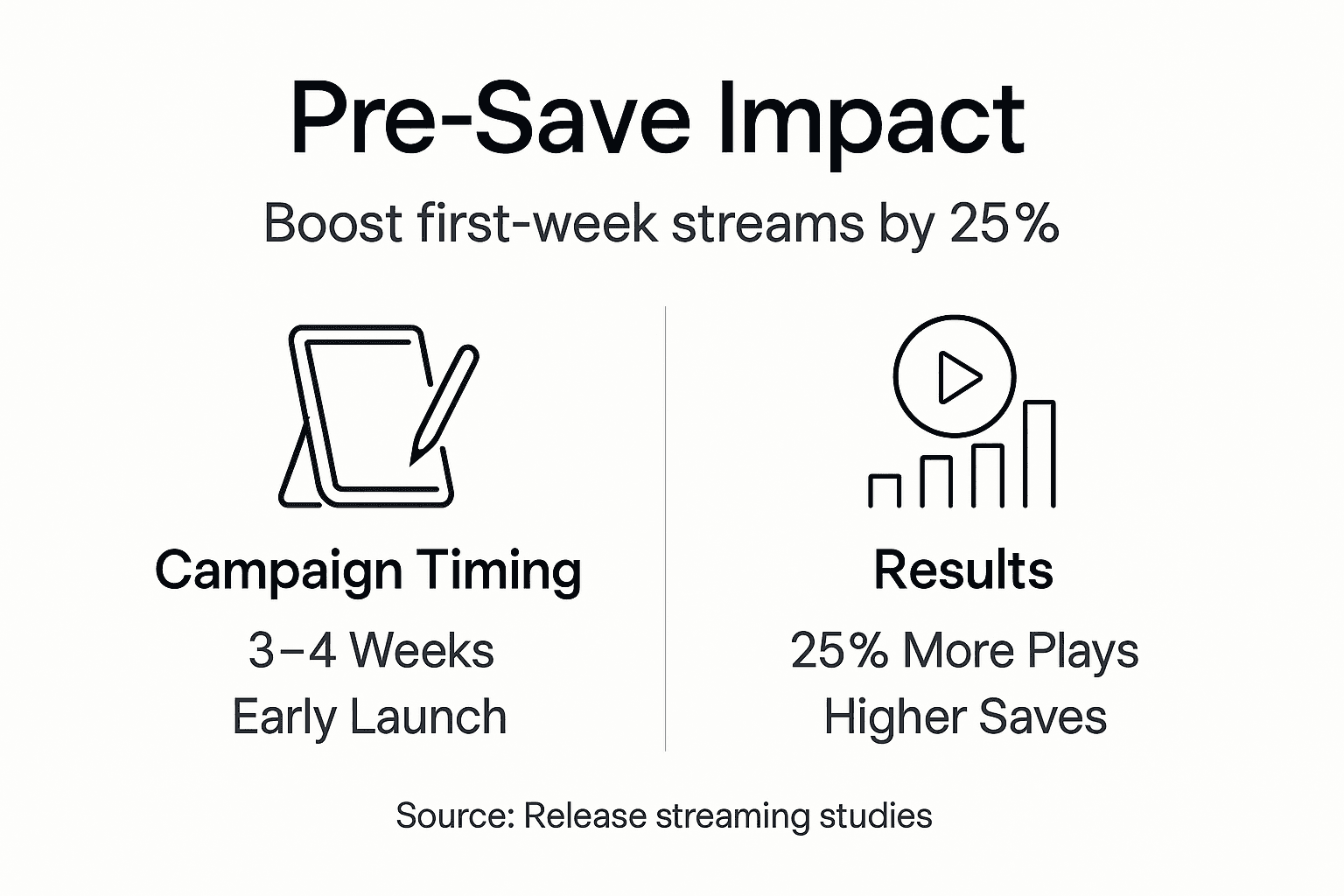
Pre-save campaigns typically boost first-week streams by 25% compared to releases without pre-saves. Fans who commit before launch are more likely to listen immediately and share with friends. This early momentum signals algorithms to recommend your music more widely.
Multi-format content increases fan retention by 30% over 6 to 8 weeks compared to single-format strategies. Mixing videos, images, audio clips, and text keeps feeds fresh and appeals to different consumption preferences. Variety prevents audience fatigue.
Sustained, data-driven promotion maintains engagement beyond the initial release spike. Most tracks see streams peak in week one, then decline. Strategic promotion flattens this curve, keeping streams elevated for months instead of weeks.
Measurable success indicators:
- First week: 25% stream increase from pre-save efforts, playlist adds beginning
- Weeks 2 through 4: Sustained engagement from diverse content, follower growth accelerating
- Weeks 5 through 8: Algorithmic playlist inclusion, geographic expansion beyond core markets
- Beyond 8 weeks: Steady baseline streams, email list growth, foundation for next release
Timeline expectations matter. Noticeable results typically appear within 2 months of launch for artists executing coordinated strategies. Viral breakthroughs happen rarely and unpredictably. Focus on consistent, compounding growth rather than lottery-ticket outcomes.
Success involves multiple dimensions beyond raw stream counts. Engaged fans who attend shows, buy merchandise, and share your music represent more valuable outcomes than passive listeners who stream once and forget you.
Discover Tools & Support to Promote Your Music with BlockTone Records
Executing effective music promotion requires the right tools and support systems. BlockTone Records offers resources specifically designed to help independent artists showcase their work and grow their audience.
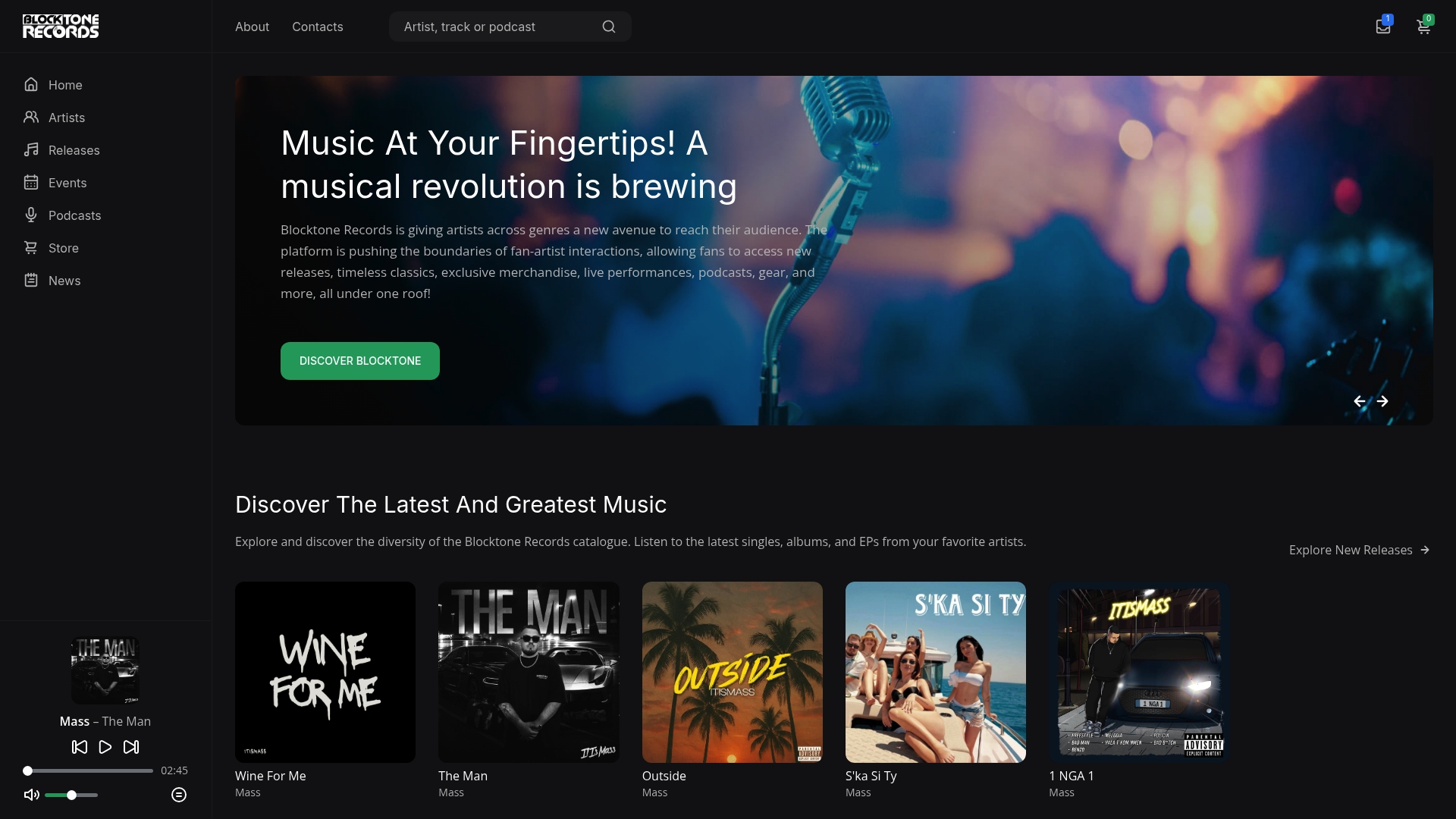
Our platform provides digital distribution tips covering everything from metadata optimization to playlist pitching strategies. Access expert advice tailored to independent artists navigating promotion without major label budgets.
Explore our music discovery services that connect you with listeners actively seeking new artists in your genre. We help bridge the gap between creating great music and finding the fans who will love it. Join a community focused on empowering artists to build sustainable careers through smart promotion and authentic fan engagement.
How to Showcase New Music: Frequently Asked Questions
What is the ideal timing for pre-save campaigns?
Launch pre-save campaigns 3 to 4 weeks before your release date to build maximum anticipation without losing momentum. This window gives you time to promote the pre-save link across multiple touchpoints while keeping the actual release close enough that fans stay excited.
How often should I engage fans during a music launch?
Post fresh content daily during your launch week, then maintain 4 to 5 posts weekly in following weeks. Consistency matters more than frequency. Fans appreciate reliable presence more than sporadic bursts followed by silence.
Can influencer collaborations work for all music genres?
Micro-influencer partnerships work best for genres with active online communities like electronic, hip hop, and indie rock. Classical and jazz see less influencer activity, making direct fan engagement and playlist pitching more effective for those genres.
What analytics metrics are most actionable for new artists?
Focus on save rate (percentage of listeners who save your track), playlist adds, and follower conversion (streams to followers ratio). These metrics indicate genuine fan interest beyond passive listening and predict long-term streaming performance better than raw play counts alone.
Should I prioritize paid advertising or organic promotion?
Start with organic promotion to validate your music resonates with audiences before spending on ads. Once you confirm engagement through organic channels, layer targeted paid advertising to scale what already works rather than trying to force interest through spending alone.
Recommended
- How to Discover New Music: Step-by-Step Guide for Fans
- Role of Top Singles and Albums: Boosting Artist Reach
- Music Discovery: Connecting Independent Artists to Fans
- 7 Essential Music Distribution Tips for Independent Artists
- Elevate Your Music: Professional YouTube Music Videos on a Budget – Stevie The Manager aka Stangr The Man