

Effective music release planning tips for independent artists
TL;DR:
- A structured release plan helps artists grow their reach and build fan loyalty.
- Defining clear goals and audience insights inform effective promotion and content strategies.
- Focusing on a few core actions and consistent effort leads to more success than overcomplicating the process.
Planning a music release in 2026 can feel like standing at a crossroads with a hundred different signs pointing in every different direction. Between choosing the right format, timing your drop, building content, and figuring out distribution, the process can stop even passionate artists in their tracks before a single note reaches a listener’s ears. But here is the truth: a structured release plan does not just reduce stress. It actively grows your reach, deepens fan loyalty, and sets the foundation for a lasting music career. This guide walks you through five expert-backed stages, from setting clear goals to reading your post-release data, so your next drop lands with real impact.
Table of Contents
- Define your release objectives and audience
- Build a timeline and select the right release formats
- Master content creation and multi-platform promotion
- Distribute wisely and sustain momentum after release
- Track, analyze, and adapt for future releases
- Why most independent artists overcomplicate release planning
- Take your next release further with BlockTone
- Frequently asked questions
Key Takeaways
| Point | Details |
|---|---|
| Start with clear goals | Knowing your main objective and audience makes every planning step more effective. |
| Leverage content across channels | Repurpose videos and key assets into clips for wider reach on each platform. |
| Distribute and engage strategically | Choose your distributor wisely and keep fans involved after release with ongoing content and event strategies. |
| Let data drive improvements | Analyze each release’s results to refine your process and grow your career long-term. |
Define your release objectives and audience
Every successful music release starts with a clear sense of purpose. Before you book studio time or design cover art, ask yourself one honest question: what do you actually want this release to do? The answer shapes everything that follows.
Your goals might fall into one of these categories:
- Grow your fanbase by reaching new listeners who have never heard your name
- Drive revenue through streams, downloads, or direct sales
- Build credibility by landing playlist placements or press features
- Strengthen community by giving your existing fans something to celebrate together
Once you know your goal, research the listeners you want to reach. Think about their age range, where they live, what artists they already love, and which platforms they spend time on. This is not guesswork. Dig into Spotify for Artists data, Instagram Insights, or even Reddit communities built around your genre.
If you are starting from zero fans, that is okay. Hyper-local strategies work beautifully here. Focus on local venue networks, geo-targeted social posts, and building an email list from day one. SEO-optimized artist profiles on streaming platforms also help new listeners find you organically without a big advertising budget.
Focusing on your primary audience makes promotion more effective, which is why defining your audience before spending a single dollar on ads is the smartest move you can make. You can also explore promotion tips for artists to sharpen your targeting approach.
Pro Tip: Write one guiding statement before you do anything else: “This release is for [specific listener], and I want them to feel [specific emotion].” Pin it somewhere visible. Every planning decision should pass through that filter.
Build a timeline and select the right release formats
Knowing your goals and audience, the next major task is setting a timeline and format for your release. Working backward from your launch date is the most reliable method.
Here is a simple numbered framework to build your release timeline:
- Lock your launch date at least eight weeks out
- Complete production and mixing no later than six weeks before launch
- Finalize cover art and visuals by week five
- Submit to distributors at least four weeks ahead for playlist consideration
- Begin teaser content three weeks before launch
- Ramp up promotion in the final two weeks with consistent daily posts
Choosing between a single, EP, or album depends on your current momentum and resources. Bridge releases, such as acoustic versions and remixes, help artists sustain momentum with minimal effort between major drops.
| Format | Reach potential | Cost | Fan retention | Best for |
|---|---|---|---|---|
| Single | High (algorithmic boost) | Low | Moderate | New artists, testing sounds |
| EP | Medium-high | Medium | High | Growing artists with core fans |
| Album | Medium | High | Very high | Established artists with loyal base |
| Bridge release | Medium | Very low | High | Maintaining buzz between drops |
For distribution tips for independent artists, understanding format impact early saves you from costly pivots later. If you are still weighing your options, reading about the value of a digital singles release can help clarify which path fits your current stage.
Master content creation and multi-platform promotion
With the timeline and strategy in place, it is time to turn to the content, arguably the biggest driver of attention in any release campaign. Great music alone does not travel far without great content surrounding it.
Start by planning your core visual assets:
- Cover art that reflects the mood and genre of your release
- Teaser video revealing the track title or a 15-second audio clip
- Lyric video for YouTube, which boosts watch time and discoverability
- Behind-the-scenes clips that show your creative process and build emotional connection
Once you have one strong anchor piece, break it apart. Breaking down one video into multiple short clips for each platform multiplies your outreach potential without requiring you to create entirely new content every day.
“The artists who grow fastest are not the ones creating the most content. They are the ones getting the most mileage out of every piece they create.”
Your email list is one of the most underrated tools in your release kit. Unlike social media, your email list does not depend on an algorithm deciding who sees your message. Every subscriber chose to hear from you directly, which makes that channel far more personal and reliable.
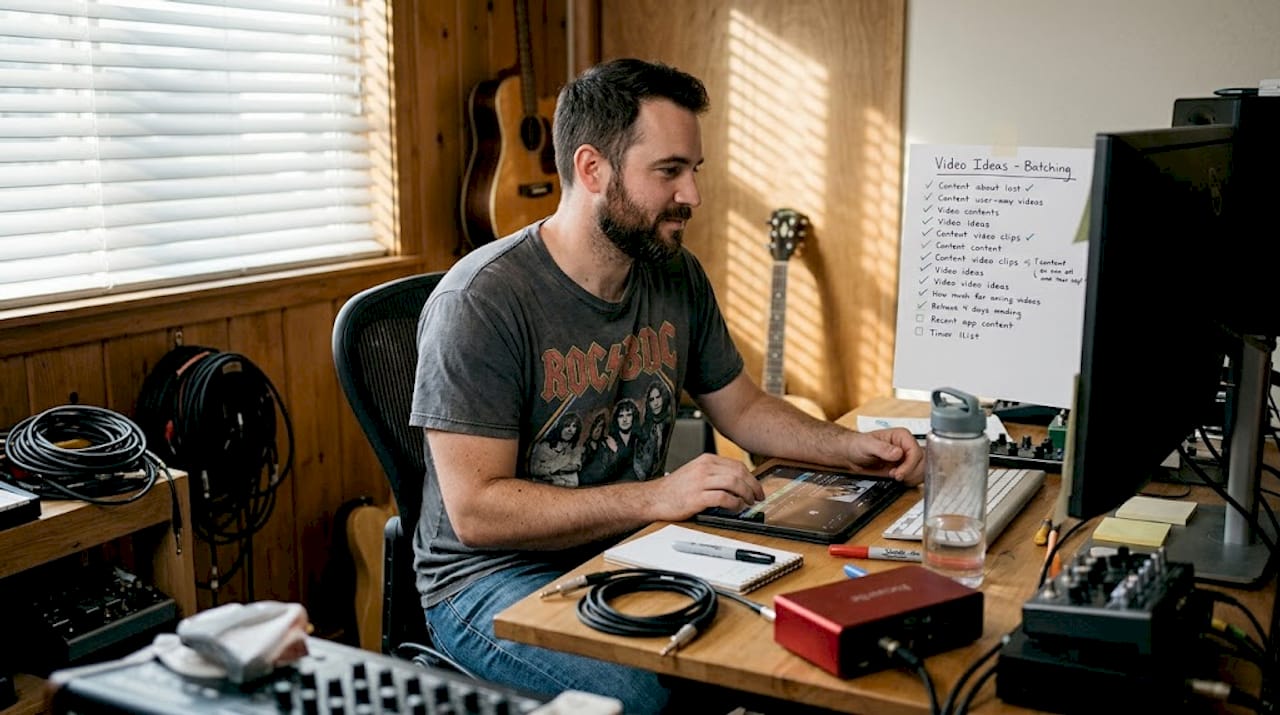
Pro Tip: Set aside one full day to batch-produce content for every channel at once. Record your TikTok clips, Instagram Reels, and YouTube Shorts in a single session. You will save hours and maintain a consistent visual identity across platforms.
For more on showcasing new music and promoting music online, BlockTone’s resources offer practical steps tailored to independent artists at every stage.
Distribute wisely and sustain momentum after release
After mastering content and promo, the crucial next phase ensures your music actually lands and remains in listeners’ ears. Choosing the right distributor is not just a logistics decision. It directly affects your reach, royalty speed, and playlist access.
Here is what to look for when evaluating distribution partners:
- Platform reach: Does it cover Spotify, Apple Music, Amazon, Tidal, and TikTok?
- Royalty speed: How quickly are earnings paid out after streams?
- Playlist submission tools: Does it offer direct pitch access to editorial playlists?
- Fan data: Does it give you listener demographics and geographic breakdowns?
- Cost structure: Is it a flat annual fee or a percentage of royalties?
| Platform | Annual cost | Playlist access | Fan data | Royalty speed |
|---|---|---|---|---|
| DistroKid | ~$22/year | Yes | Basic | Fast |
| TuneCore | ~$14.99/single | Yes | Moderate | Moderate |
| CD Baby | One-time fee | Yes | Good | Moderate |
| Amuse | Free tier available | Limited | Basic | Slower |
Submit your music at least four weeks before launch to qualify for editorial playlist consideration. Missing that window is one of the most common and costly mistakes independent artists make.
Ongoing engagement with bridge releases helps maintain fan interest between major drops. Plan live streams, social media takeovers, and fan Q&A sessions in the weeks following your launch to keep the conversation alive.
Explore music distribution strategies for a deeper look at platform comparisons. You can also browse featuring top releases and check out event updates to see how other artists are keeping momentum going.
Track, analyze, and adapt for future releases
The final step of any release, making sense of what worked, brings everything full circle and sets the stage for ongoing progress. Data is not just for big labels. Independent artists who track their numbers consistently make smarter decisions on every release that follows.
Here is a simple process to evaluate your release performance:
- Pull your streaming data from Spotify for Artists, Apple Music for Artists, and your distributor dashboard
- Check saves and playlist adds, not just raw stream counts
- Review email open rates and click-through rates from your release campaign
- Collect fan feedback through replies, comments, and direct messages
- Identify your top-performing content piece and note what made it work
- Plan your next release using the insights gathered from this one
Using key data metrics helps artists understand what actually drives listener growth and reach. One of the most important shifts you can make is moving away from vanity metrics, meaning likes and follower counts, and focusing instead on saves, repeat listens, and email signups. Those numbers tell you who is genuinely invested in your music.
Statistic callout: Artists who actively track saves and playlist adds report significantly stronger repeat-listener growth compared to those who focus only on total stream counts.
For a broader look at where the industry is heading, explore industry trends in 2026 and understand the role of singles and albums in building a sustainable catalog.
Why most independent artists overcomplicate release planning
Having covered the actionable steps, it is worth reflecting on why many musicians still struggle despite following detailed checklists. The honest answer is that most artists try to do everything at once, and that burns them out before their music even reaches listeners.
At Blocktone, we have seen this pattern repeat itself. Artists spend weeks chasing every possible strategy, from podcast pitching to influencer outreach to press releases, and end up exhausted with a scattered campaign that connects with no one deeply. The most consistent indie success stories share one trait: they pick a core audience, choose one or two primary channels, and show up there with real regularity.
The real advantage in independent music does not come from doing fifty things adequately. It comes from doing three things exceptionally well. Effective online music promotion is not about volume. It is about focus and consistency.
Our genuine advice? Pick your top three planning actions from this guide. Execute them deeply, with care and intention. Then build from there. Less truly can be more when the effort behind it is real.
Take your next release further with BlockTone
If you are ready to put these strategies in motion, BlockTone has tools and resources to help make your next release your best yet.
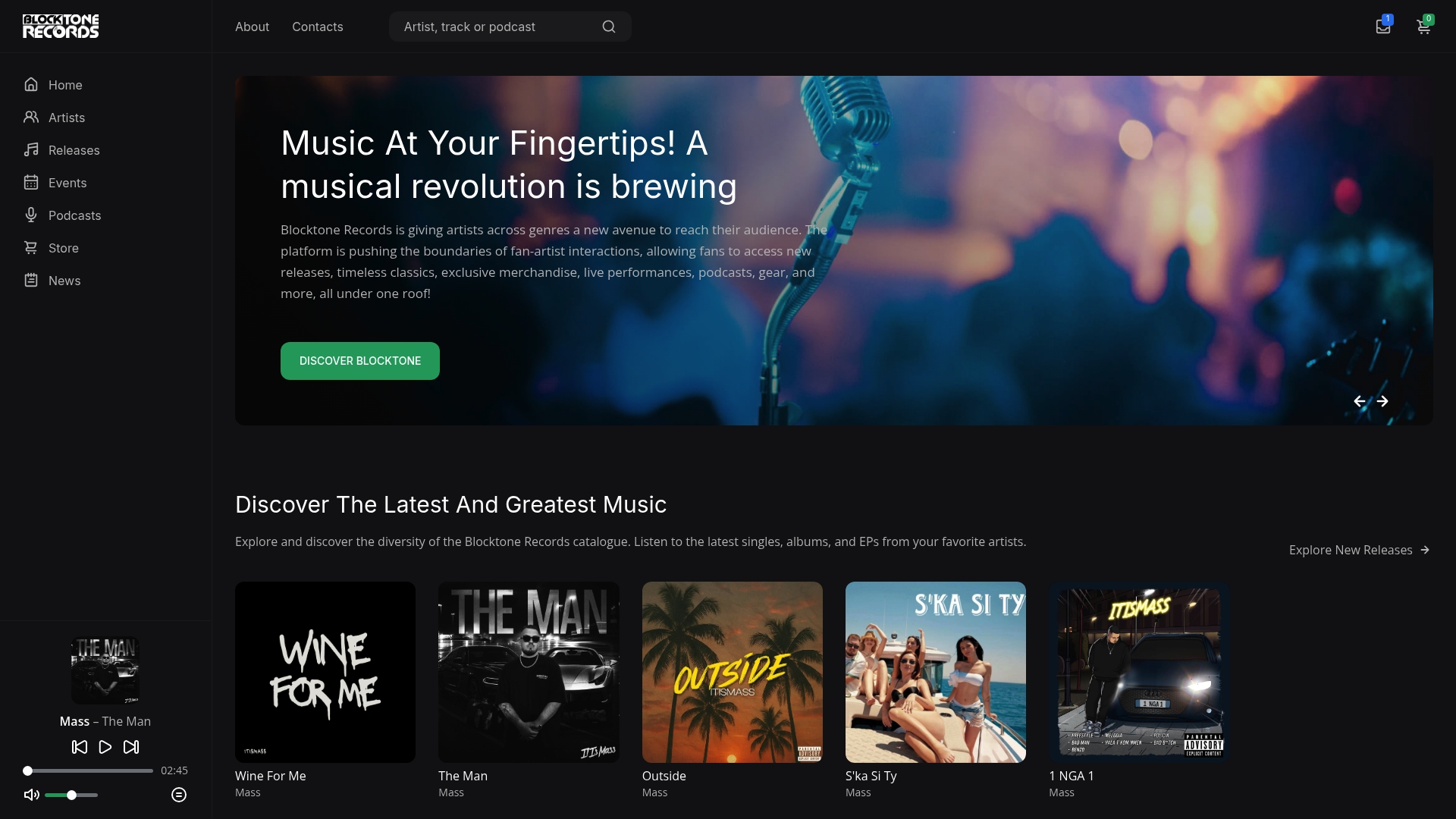
BlockTone Records is built for artists exactly like you: independent, driven, and ready to grow. Whether you are figuring out your first release or refining a strategy that already has some wins behind it, our platform connects you with music discovery for artists tools, fan engagement features, and practical music distribution tips that meet you where you are. From exclusive release features to artist profiles and industry news, BlockTone is the community and resource hub your music career deserves. Come explore what is waiting for you.
Frequently asked questions
What is the best time to release new music for maximum impact?
Releasing on Fridays aligns with global streaming charts, but a structured timeline matters more than the exact day. Give yourself at least four to six weeks of pre-release promotion to build real anticipation.
Should I release singles or an album first as an independent artist?
Start with singles to build fans and momentum before committing to a larger project. Singles serve as effective bridge releases that keep listeners engaged while you develop your full catalog.
How far in advance should I start planning my music release?
Begin planning at least two months before your target launch date. Advance planning secures playlist submissions, press opportunities, and gives your content calendar enough runway to build genuine buzz.
Do I need a distributor, or can I upload directly to streaming platforms?
Almost all major streaming platforms require music to be submitted through a licensed distributor. Music distribution platforms are essential for reaching listeners on Spotify, Apple Music, and beyond.
What is a ‘bridge release’ and why does it matter?
A bridge release is a lighter version of your music, like an acoustic take or a remix, released between major drops. Bridge releases are key for ongoing engagement, keeping fans connected without requiring a full new production cycle.