


Music discovery strategies for 2026: find fresh tracks
Stuck in the same playlist loop? You’re not alone. Over 60% of listeners get trapped in repetitive listening patterns because they rely solely on algorithmic suggestions. Mastering music discovery means combining smart tools, active exploration, and community insights to break free from echo chambers. This guide delivers practical strategies to expand your musical horizons, uncover hidden gems across genres, and build a consistently fresh listening experience.
Table of Contents
- Introduction To Music Discovery
- Prerequisites For Effective Music Discovery
- Understanding Algorithmic Recommendations
- Leveraging Community-Driven Discovery
- Exploring Curated Content For Broader Variety
- Balancing Active And Passive Listening Approaches
- Common Mistakes And How To Avoid Them
- Expected Outcomes And Success Benchmarks
- Explore Music Discovery With Blocktone Records
- Frequently Asked Questions
Key takeaways
| Point | Details |
|---|---|
| Balance discovery sources | Combine algorithms, community recommendations, and curated playlists to maximize variety and avoid platform bias. |
| Set clear goals before exploring | Define preferred genres and discovery targets to guide your search and measure progress effectively. |
| Avoid single-platform dependence | Overreliance on one streaming service reduces music diversity discovered by 60%. |
| Use active and passive listening | Schedule focused discovery sessions alongside background listening to improve retention and enjoyment. |
| Track your progress regularly | Monitor playlist diversity and new favorite artists to verify your strategies are working. |
Introduction to music discovery
Music discovery in 2026 splits into two approaches: active and passive. Active discovery involves intentional searching through playlists, artist profiles, and community forums. Passive discovery happens when algorithms suggest tracks during regular listening sessions. Both have strengths, but relying exclusively on passive methods creates echo chambers where you hear similar sounds repeatedly.
Algorithmic recommendations excel at personalization but struggle with diversity. Over 60% of listeners get stuck in repetitive loops because platforms prioritize engagement over exploration. Information overload compounds this problem. Streaming services host millions of tracks, making it difficult to separate quality discoveries from noise without guidance.
Exploring diverse genres enriches your musical palette and prevents listening fatigue. Genre boundaries blur constantly, with artists blending styles to create hybrid sounds. Understanding multi-genre music opens doors to unexpected favorites you’d never encounter staying within comfort zones.
Personalization matters because generic recommendations waste time. Define your taste preferences clearly before diving into discovery tools. This preparation helps algorithms and human curators suggest music that actually resonates instead of flooding you with irrelevant tracks.
Key discovery fundamentals include:
- Distinguishing between active searching and passive algorithm-driven listening
- Recognizing when algorithmic suggestions become repetitive and stale
- Exploring cross-genre connections to find unexpected musical relationships
- Aligning discovery efforts with your actual listening preferences and goals
Prerequisites for effective music discovery
Before starting active discovery, gather essential tools and knowledge. You need reliable streaming platforms, stable internet access, basic genre familiarity, and openness to engage beyond passive listening. These elements form the foundation for systematic music exploration.

Understanding algorithmic recommendations basics sets realistic expectations. Algorithms analyze listening history, skip rates, and completion percentages to predict preferences. They work well for finding similar artists but rarely suggest radical departures from established patterns. Knowing these limits helps you supplement algorithmic suggestions with manual exploration.
Set clear listening goals before exploring. Ask yourself whether you want to deepen knowledge within favorite genres or branch into completely new territory. Define how many new artists you aim to discover monthly. Specificity transforms vague browsing into purposeful discovery sessions.
Identify preferred and exploratory genres upfront. List three to five genres you love, then choose two unfamiliar styles to investigate. This balance maintains enjoyment while expanding horizons. Track which combinations yield the best discoveries to refine your approach over time.
Pro Tip: Use multiple streaming platforms simultaneously to reduce algorithmic bias and expose yourself to different editorial perspectives. Each service employs unique recommendation logic and curator teams.
Essential preparation checklist:
- Active subscriptions to two or more streaming services
- Notebook or app for tracking new artist discoveries
- Basic understanding of major genre categories and subgenres
- Weekly time blocks dedicated to focused music exploration
- Willingness to listen beyond first impressions before judging new music
| Requirement | Purpose | Example Tools |
|---|---|---|
| Streaming platforms | Access vast music libraries | Spotify, Apple Music, Tidal |
| Genre knowledge | Navigate categories effectively | Genre guides, music blogs |
| Discovery goals | Measure progress and stay focused | Monthly artist targets |
| Multiple sources | Avoid algorithmic echo chambers | Platforms, communities, curated lists |
Explore how platforms showcase fresh releases by checking out resources on why feature top releases. Understanding curation strategies helps you identify which discovery tools align with your goals.
Understanding algorithmic recommendations
Recommendation algorithms use machine learning to analyze billions of listening patterns. They examine which songs you complete, skip, replay, or save to playlists. This data feeds predictive models that suggest tracks with similar acoustic profiles, listener demographics, and engagement metrics.
Strengths of algorithmic discovery include instant personalization and effortless access to new music. Platforms generate weekly playlists tailored to your history without requiring manual searches. This convenience works brilliantly for finding artists adjacent to current favorites.
Limitations surface when algorithms prioritize safety over exploration. Systems favor suggesting tracks with high predicted acceptance rates, leading to conservative recommendations that mirror existing preferences. Accuracy issues arise when algorithms misinterpret listening context. A workout playlist doesn’t mean you want aggressive music everywhere.
Echo chamber effects trap listeners in narrow style bubbles. Algorithms reinforce existing preferences by suggesting incrementally similar music, rarely proposing genre jumps. Biases embedded in training data limit diversity further. Popular artists receive disproportionate exposure while niche musicians remain hidden despite quality.
Conscious use prevents falling into listening loops. Periodically reset your listening history or create fresh accounts to escape algorithmic assumptions. Actively seek music outside recommendation feeds by browsing genre charts, new release sections, and artist discovery tools.
Algorithmic discovery works best when combined with manual exploration:
- Use algorithm-generated playlists as starting points, not final destinations
- Investigate artists who appear repeatedly across different recommendation sources
- Explore back catalogs of algorithmic suggestions instead of accepting only recent singles
- Cross-reference algorithmic picks with community recommendations for validation
- Understand what is music streaming infrastructure to grasp how platforms shape discovery experiences
Leveraging community-driven discovery
Online music communities provide perspectives algorithms cannot replicate. Fan forums, social media groups, and dedicated music discussion platforms connect enthusiasts who share detailed recommendations based on nuanced preferences. Community engagement increases discovery of non-mainstream artists by 40%, exposing you to emerging talent before algorithms catch up.
Follow these steps to tap into community-driven discovery:
- Identify active communities aligned with your favorite genres on platforms like Reddit, Discord, and specialized music forums.
- Join groups and observe conversation patterns to understand recommendation culture before participating.
- Engage authentically by sharing discoveries, asking for suggestions, and explaining what you seek in new music.
- Attend virtual listening parties and live stream sessions where community members introduce fresh tracks collectively.
- Build relationships with members whose taste consistently aligns with yours for personalized recommendations.
Community interaction creates deeper artist connections than passive algorithm consumption. Fans share background stories, explain creative processes, and highlight underappreciated tracks algorithms overlook. This context enriches listening experiences and helps you appreciate music on multiple levels.
Pro Tip: Search specialized hashtags on social media platforms to discover niche genres and micro-communities. Tags like #indiefolk2026 or #experimentalelectronic surface passionate fans who curate exceptional finds.
Communities excel at surfacing:
- Independent artists without major label marketing budgets
- Regional music scenes not yet indexed by global algorithms
- Genre-blending experimental projects that confuse automated categorization
- Historical deep cuts and reissues from legendary but forgotten artists
Learn more about why artists need music platforms to understand how community support drives discovery ecosystems benefiting both fans and creators.
Exploring curated content for broader variety
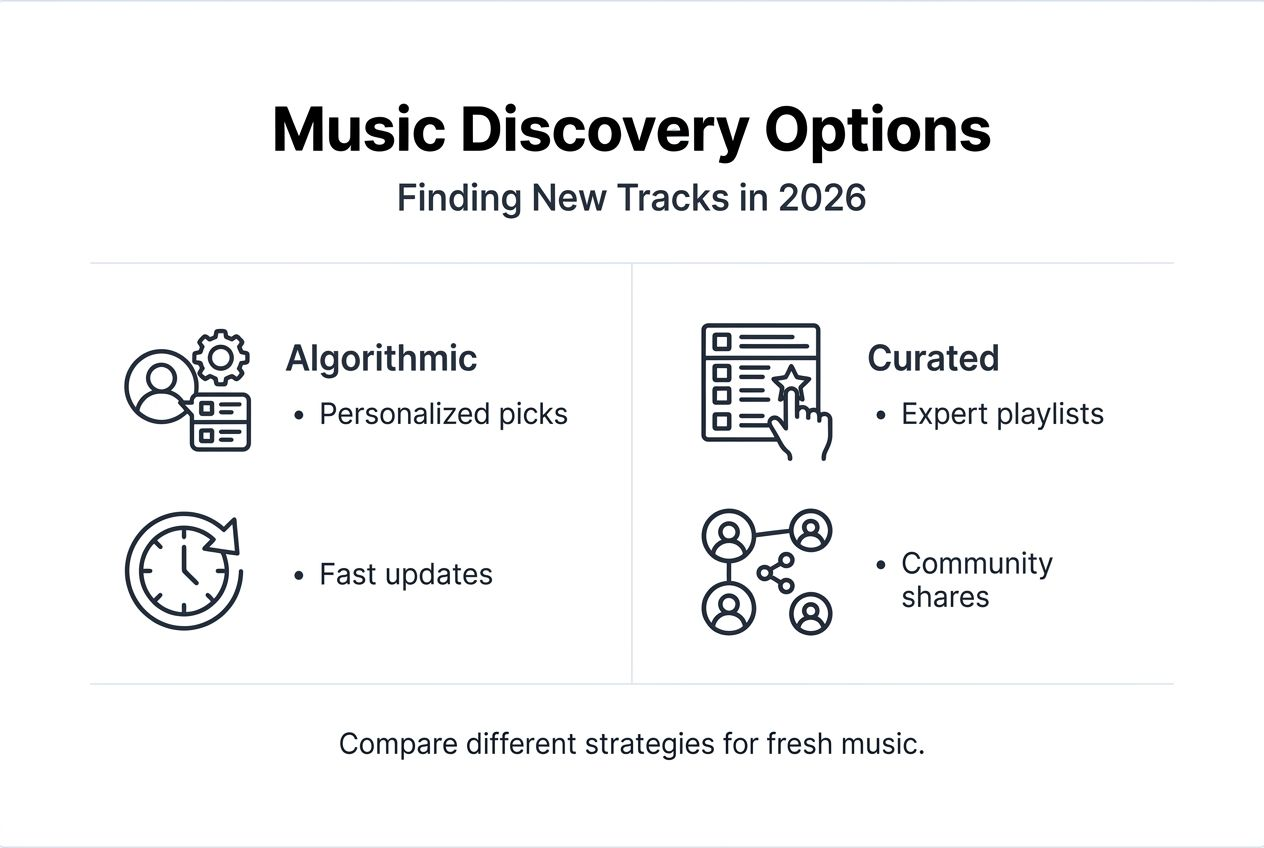
Curated content offers expert-selected music that balances popularity with quality. Editorial teams, influential DJs, and music journalists assemble playlists reflecting deep genre knowledge and cultural awareness. These picks provide trusted guidance through overwhelming catalog sizes.
Types of curated content include editorial playlists from streaming services, influencer-created collections on social platforms, and specialized publications’ recommendations. Each source brings unique perspectives shaped by different expertise and audience relationships.
| Discovery Source | Strengths | Best For |
|---|---|---|
| Algorithmic playlists | Personalized, instant | Finding similar artists |
| Editorial curation | Expert knowledge, quality control | Exploring new genres |
| Community recommendations | Niche discoveries, context | Emerging independent artists |
Curated content advantages over pure algorithmic discovery include intentional diversity and human judgment. Curators deliberately mix established artists with newcomers, creating pathways between familiar and unfamiliar sounds. They recognize quality beyond engagement metrics, highlighting artistry that algorithms might dismiss as commercially risky.
Incorporate curated sources regularly by subscribing to trusted playlist creators and checking new release editorial features weekly. Diversify your curated sources across platforms to avoid single-perspective bias. Read accompanying playlist descriptions to understand selection criteria and discover related artists.
Reliable curated sources on major platforms include Spotify’s genre-specific editorial playlists, Apple Music’s expert-curated collections, and YouTube Music’s culture and trends features. Independent music blogs and magazines also maintain excellent curated lists worth following.
Explore comprehensive approaches through resources like this step-by-step new music guide to integrate curated content seamlessly into discovery routines.
Balancing active and passive listening approaches
Active listening involves focused attention on music discovery during dedicated sessions. You intentionally search playlists, investigate artist profiles, and take notes on promising finds. Passive listening occurs during other activities where music provides background ambiance without demanding full concentration.
Schedule discovery sessions blending both modes for optimal results:
- Block 30 to 60 minute windows weekly for active discovery where music receives full attention.
- Use passive listening during commutes or work to test new finds in real-world contexts.
- Rotate between deep dives into single artists and broad sampling across multiple genres.
- Document discoveries immediately in playlists or notes before impressions fade.
Varied cognitive engagement improves memory retention and enjoyment. Active listening helps you notice production details, lyrical themes, and musical techniques that passive consumption misses. Passive listening reveals whether music enhances daily activities or demands too much attention.
Setting personalized discovery routines improves retention of new artists by 50%. Consistency matters more than duration. Brief daily exploration beats sporadic marathon sessions that lead to decision fatigue and burnout.
Tracking tips to maximize discovery without exhaustion:
- Limit active discovery to one hour maximum per session to maintain enthusiasm
- Create separate playlists for testing new music versus confirmed favorites
- Revisit discoveries after a few days to verify initial impressions hold up
- Balance challenging experimental music with accessible crowd-pleasers to avoid fatigue
Integrate new music discovery routines that respect your energy levels and listening context for sustainable long-term exploration.
Common mistakes and how to avoid them
Overreliance on single platforms severely limits discovery breadth. Each streaming service employs different recommendation algorithms, editorial teams, and catalog strengths. Many casual listeners rely solely on single-platform algorithms, missing music exclusive to other services or better highlighted elsewhere.
Ignoring social and community elements removes valuable human curation from your discovery process. Algorithms cannot replicate passionate fan recommendations or explain why specific tracks matter within cultural contexts. Skipping community engagement means missing 40% more non-mainstream discoveries.
Stagnant methods produce diminishing returns over time. Playlists you loved six months ago may no longer challenge or excite you. Discovery sources that once yielded gems can become repetitive if you don’t refresh them regularly.
Practical solutions to avoid common pitfalls:
- Maintain active accounts on at least two different streaming platforms
- Join one music community per favorite genre for ongoing recommendations
- Refresh your followed playlists and curators every four to six weeks
- Periodically explore genres you previously dismissed to check evolving tastes
- Schedule quarterly reviews of discovery habits to identify stale patterns
Platform diversity prevents algorithmic tunnel vision. Cross-reference recommendations across services to identify artists receiving unanimous praise versus narrow appeal. Understand music streaming essentials to leverage each platform’s unique discovery strengths effectively.
Independent artists benefit from diversified discovery approaches too. Learn about music distribution tips to understand how musicians reach audiences across multiple channels, informing where you should search.
Expected outcomes and success benchmarks
Typical timeframes for seeing improvements range from four to eight weeks with consistent effort. Early weeks focus on building discovery habits and identifying reliable sources. Months two and three reveal measurable library diversity increases as new music accumulates.
Consistent engagement yields a 40% increase in playlist diversity within one to two months. This metric reflects genre variety, artist counts, and rotation of fresh tracks versus repeated favorites. Track these numbers monthly to verify your strategies work.
Success metrics worth monitoring:
| Metric | Baseline | 1 Month Target | 2 Month Target |
|---|---|---|---|
| New artists added | 5-10 | 15-20 | 25-35 |
| Genre diversity score | 3-4 genres | 5-6 genres | 7-9 genres |
| Weekly discovery hours | 0-1 hours | 2-3 hours | 3-4 hours |
| Community interactions | 0-2 weekly | 5-8 weekly | 10-15 weekly |
Define success personally based on your goals. Some listeners prioritize depth within favorite genres over breadth across many styles. Others chase constant novelty and experimental sounds. Neither approach is superior; alignment with personal preferences determines success.
Emphasize consistent weekly activity over sporadic intensive efforts. Fifteen minutes daily outperforms irregular two-hour sessions that feel like chores. Discovery should enhance enjoyment, not create pressure or obligation.
Track personal progress using simple tools:
- Monthly playlist snapshots showing artist and genre distributions
- Notes on favorite new discoveries with reasons they resonated
- Skip rate analysis to identify whether new music engages or annoys
- Listening time breakdowns between new discoveries and established favorites
Adjust strategies when progress stalls. If diversity plateaus, try unfamiliar platforms or communities. When discovery feels exhausting, scale back session frequency or duration. Learn how to boost new music plays for insights on engaging deeply with fresh discoveries.
Explore music discovery with Blocktone Records
Ready to put these strategies into action? Blocktone Records offers comprehensive resources for music enthusiasts seeking smarter discovery methods. Our platform connects fans with independent artists across multiple genres, providing curated releases, artist profiles, and community features that enhance exploration.
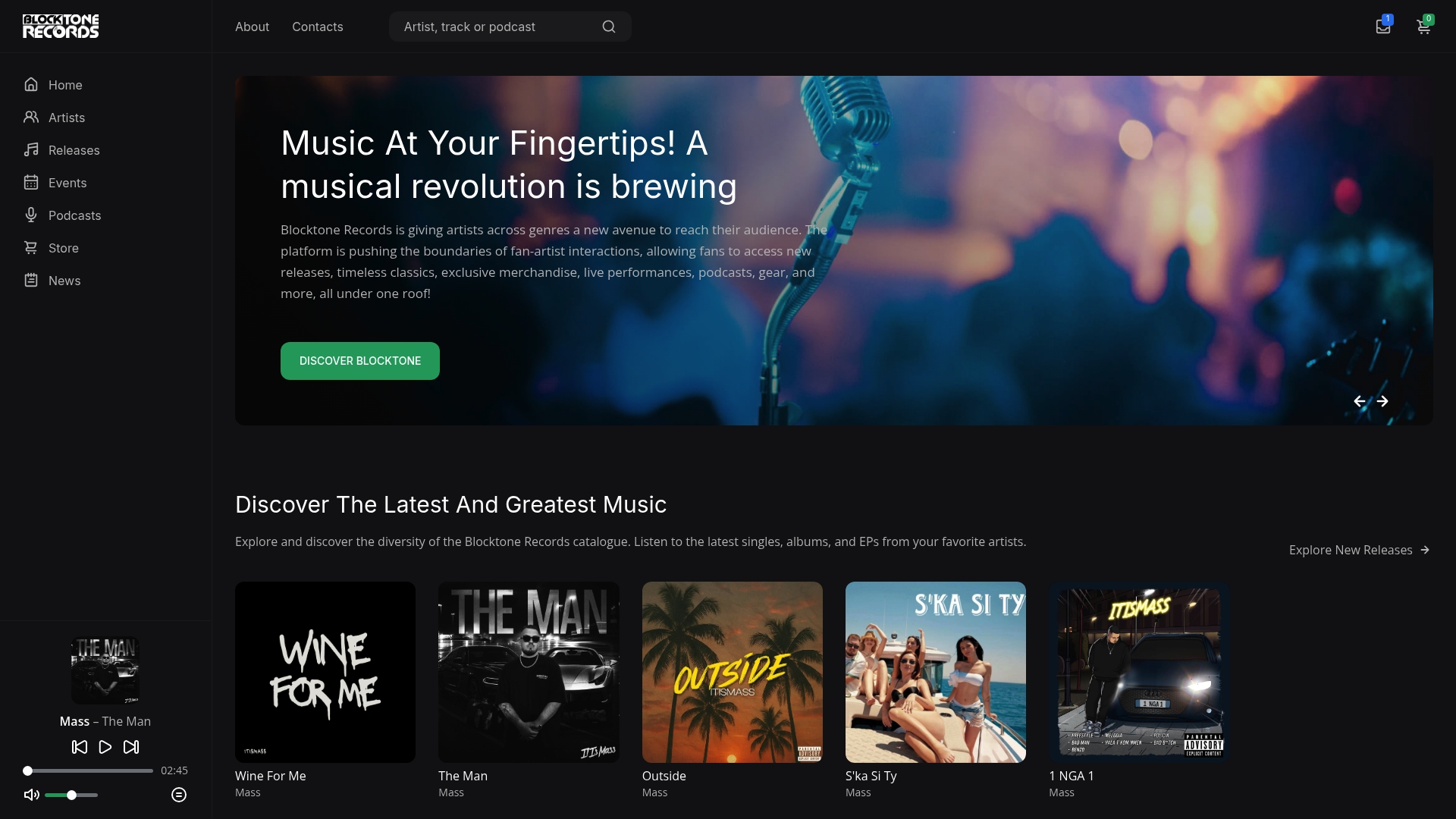
Whether you’re an artist looking to reach new listeners or a fan hungry for fresh sounds, Blocktone Records delivers tools that make discovery rewarding. Explore our music discovery for artists resources to understand both sides of the discovery equation. Check out our comprehensive new music discovery guide for additional strategies and platform-specific tips.
Visit Blocktone Records today to access exclusive releases, connect with emerging talent, and join a community passionate about expanding musical horizons together.
Frequently asked questions
What are the best digital platforms for music discovery?
Popular platforms include Spotify, Apple Music, YouTube Music, and Tidal, each offering unique discovery tools like personalized playlists, editorial curation, and social features. Using multiple services broadens exposure by accessing different recommendation algorithms and exclusive content. Learn more about what is music streaming to understand platform differences.
How often should I update my music discovery routines?
Refresh discovery methods every four to six weeks to maintain engagement and playlist diversity. Incorporate new curated playlists, join fresh communities, or試 explore additional platforms regularly. Quarterly reviews of your entire discovery strategy help identify stale patterns before they limit your musical growth.
Can community engagement actually increase finding niche artists?
Yes, engaging with online music communities significantly increases exposure to niche and emerging artists by 40%. Communities provide recommendations and cultural context that algorithms often miss, especially for independent musicians without major label marketing. Authentic participation in forums and social groups unlocks discoveries unavailable through passive listening alone.
How do I avoid algorithmic echo chambers?
Break echo chambers by using multiple streaming platforms, engaging with music communities, and regularly exploring curated content from human experts. Periodically reset listening preferences or create fresh accounts to escape algorithmic assumptions. Actively browse genre charts and new release sections instead of relying exclusively on automated recommendations.
What metrics indicate successful music discovery?
Track playlist diversity by counting unique artists and genres added monthly, aiming for 25 to 35 new artists within two months. Monitor listening time distribution between new discoveries and established favorites, targeting at least 30% dedicated to fresh music. Success also includes subjective enjoyment and reduced skip rates on newly discovered tracks.