


Music Distribution Channels Explained: Empowering Indie Artists
Getting your music heard can feel overwhelming when every artist dreams of standing out in a crowded global scene. With distribution methods shifting from physical albums to always-on digital platforms, understanding where and how to reach your audience has never been more vital. This guide breaks down the core channels—digital, physical, and direct-to-fan—that empower you to control your music’s path and deepen fan connections across different countries and cultures. Digital music distribution opens doors for independent artists to reach listeners everywhere.
Table of Contents
- Defining Music Distribution Channels Today
- Types of Music Distribution: Digital, Physical, Direct-to-Fan
- How Distribution Platforms Work for Artists
- Costs, Royalties, and Legal Considerations
- Common Mistakes When Choosing Channels
Key Takeaways
| Point | Details |
|---|---|
| Digital Distribution Dominates | Most listeners discover music through digital channels like streaming services and download stores, offering global reach with minimal barriers. |
| Control as an Independent Artist | Artists can now distribute music globally without needing a record label, allowing for greater autonomy and revenue potential. |
| Importance of Metadata | Accurate metadata is crucial for discoverability; errors can lead to lost audience connections and revenue. |
| Strategic Channel Focus | Concentrating on 2-3 distribution channels that cater to your audience will yield better results than spreading resources too thinly. |
Defining Music Distribution Channels Today
Music distribution channels are the pathways your music takes to reach listeners worldwide. These channels have transformed dramatically from physical retail stores to digital platforms that operate 24/7 across every corner of the globe.
Traditionally, getting your music to fans required relationships with record labels, physical distributors, and retail chains. Today, the landscape looks completely different.
The Shift From Physical to Digital
Digital service providers (DSPs) now dominate how music reaches audiences. These are the platforms where listeners discover, stream, and purchase music—Spotify, Apple Music, Amazon Music, YouTube Music, and dozens more. Understanding how contemporary music distribution channels function is essential for your career strategy.
The transformation happened because listeners changed their habits. Instead of buying CDs or vinyl records, people now subscribe to streaming services or buy individual tracks digitally.
Key Distribution Channels Today
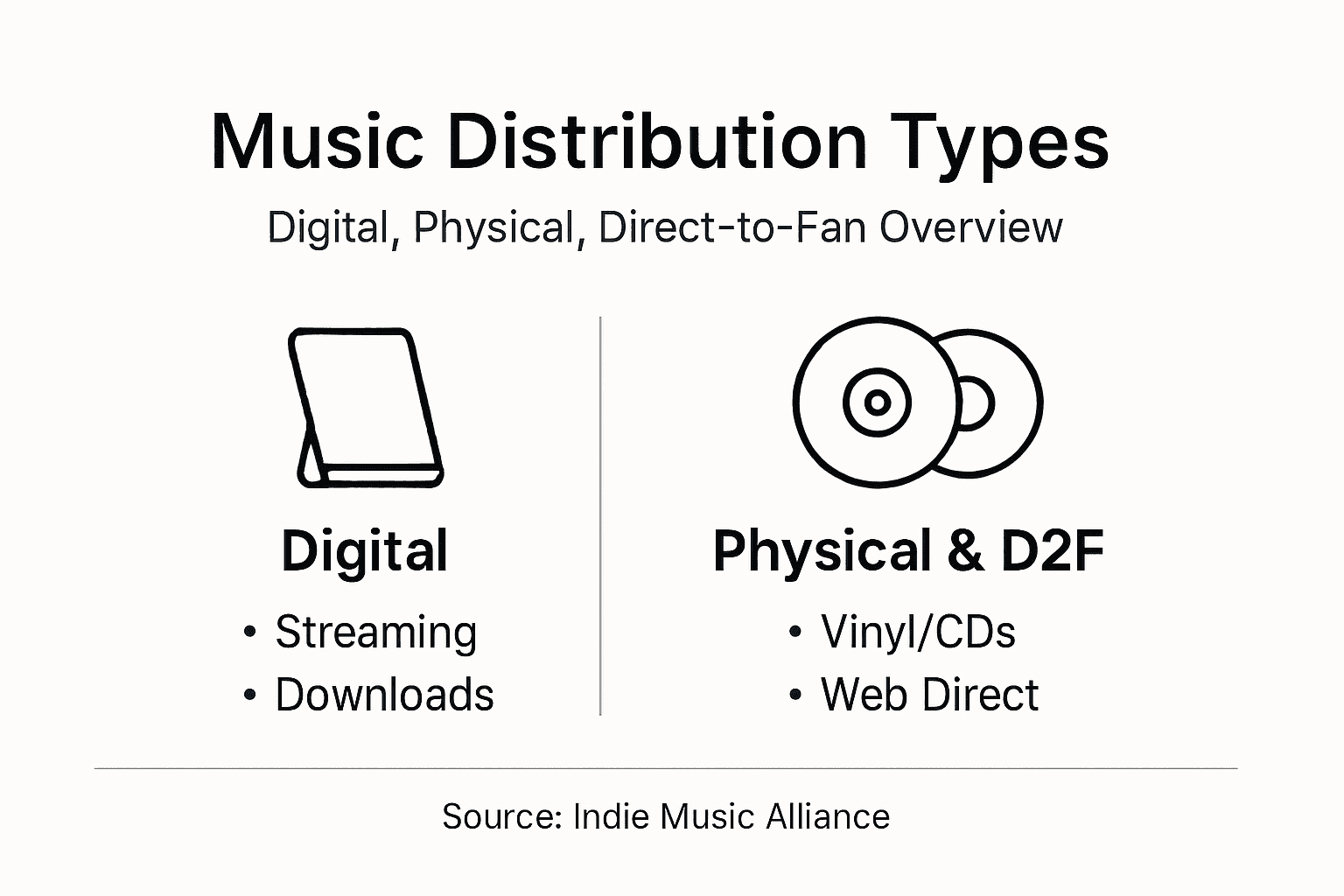
Your music can reach fans through several interconnected channels:
- Streaming platforms let listeners play your music unlimited times for a monthly fee or free with ads
- Download stores allow fans to purchase individual tracks or albums permanently
- Music videos on YouTube and TikTok drive discovery and engagement
- Social media networks function as distribution channels themselves, especially for short-form content
- Podcasts provide opportunities for artist interviews and exclusive content
- Direct-to-fan sales through your own website or email lists
Your music now travels through multiple channels simultaneously, reaching different audiences through their preferred listening methods.
The key difference today is that you don’t need a record label to access these channels. Independent artists can distribute directly to every major streaming platform through aggregate distribution services.
Why Distribution Channels Matter Now
Each channel offers unique advantages and reaches different fan segments. A listener on TikTok behaves differently than one on Spotify. Understanding these distinctions shapes your overall strategy.
Data analytics and digital distribution now drive how industry professionals optimize music success. Platforms provide detailed metrics showing where your listeners are, when they listen, and how they discover you.
This data transparency is revolutionary. Your music’s performance is tracked in real time across every channel.
The Independence Factor
What changed everything for indie artists was removing the gatekeeper requirement. You don’t need major label approval to distribute globally anymore.
Platform access is democratic but competitive. Yes, millions of tracks upload daily. Your advantage comes from strategic distribution combined with quality music and consistent fan engagement.
Pro tip: Start by distributing to the three to five channels where your target audience actually listens, rather than spreading thin across every platform—focus beats breadth in early career stages.
Types of Music Distribution: Digital, Physical, Direct-to-Fan
Music reaches your fans through three main distribution types, each with distinct advantages and trade-offs. Understanding these channels helps you choose the right strategy for your career stage and audience.
Think of distribution types as different sales channels in a physical store. Some paths are fastest, others offer higher margins, and some build stronger customer relationships.
Digital Distribution
Digital distribution is how most listeners discover music today. Your tracks appear on streaming platforms, download stores, and music apps instantly available to billions of potential fans worldwide.
Digital channels include streaming services like Spotify and Apple Music, download stores like iTunes and Bandcamp, and music video platforms. These offer massive reach and immediate global access with minimal barrier to entry.
Digital service providers and streaming platforms handle the technical infrastructure, payment processing, and listener data collection. You distribute once and reach multiple platforms simultaneously through aggregator services.
The advantage is speed and scale. Your music goes live globally in hours, not weeks. The trade-off is lower per-stream royalties and less direct fan contact.
Physical Distribution
Physical media still matters, especially for vinyl collectors and serious fans. CDs, vinyl records, and cassettes create tangible connections with your audience that digital files cannot replicate.
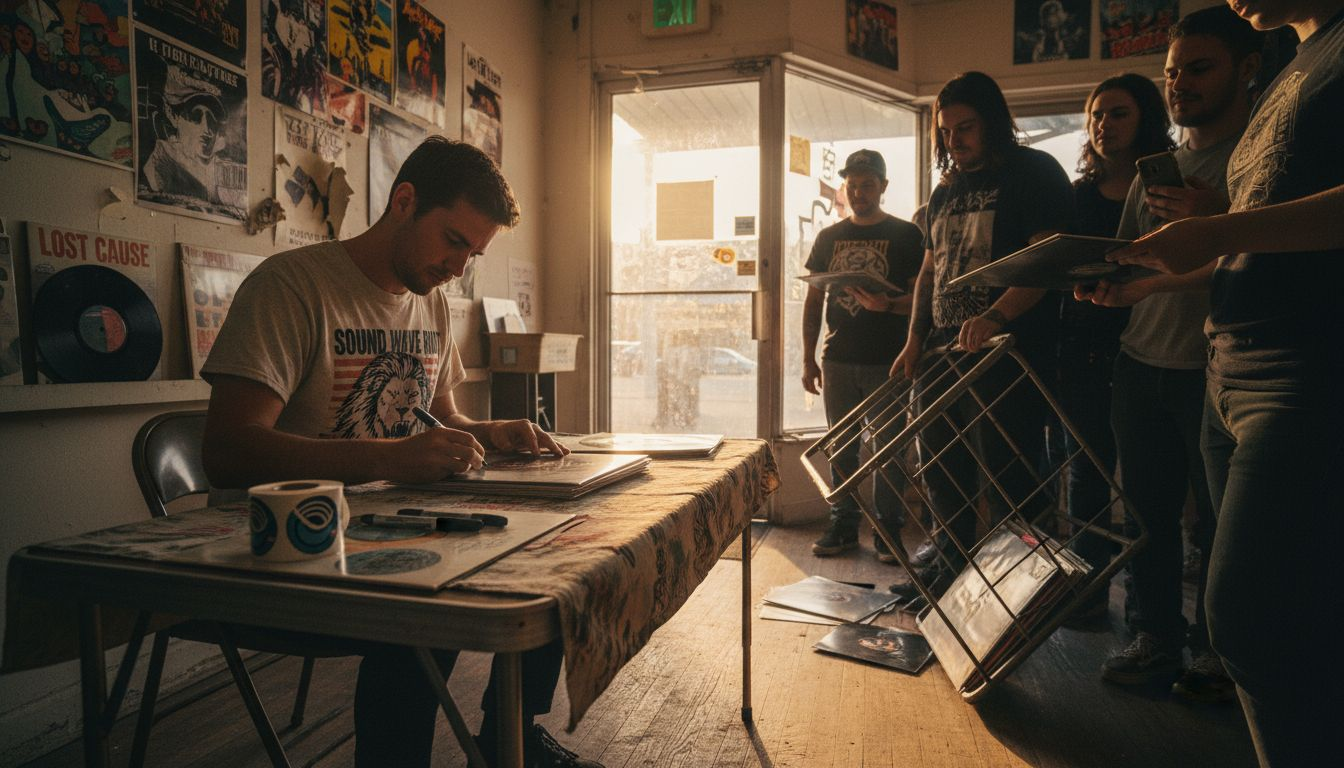
Physical distribution works differently than digital. You press physical copies, work with physical distributors or retailers, and ship products directly. This requires upfront investment and inventory management.
Physical media creates several benefits:
- Higher profit margins per unit sold
- Merchandise appeal that builds fan loyalty
- Collectible value that attracts dedicated listeners
- Packaging opportunities for creative expression
- Physical presence in independent record stores
The transition from physical formats to digital platforms shows physical media declining in overall market share, yet vinyl specifically has experienced a resurgence among collectors. Physical formats work best as premium offerings alongside digital distribution.
Physical media succeeds when positioned as a premium product for your most dedicated fans, not as your primary distribution strategy.
Direct-to-Fan Distribution
Direct-to-fan (D2F) distribution cuts out middlemen entirely. You sell directly to fans through your own website, email lists, or platforms like Bandcamp, keeping higher revenue percentages.
D2F models create genuine advantages for independent artists. You control pricing, maintain fan relationships, collect email addresses, and keep 70-90% of sales revenue instead of 15-30% from streaming platforms.
Direct-to-fan channels include:
- Personal website with integrated store
- Email newsletter sales
- Bandcamp and similar artist platforms
- Social media shops and links
- Crowdfunding platforms
- Membership communities
The challenge is building audience awareness and driving traffic to your platform. D2F requires active fan engagement and consistent marketing effort.
Combining all three distribution types creates maximum reach. Digital reaches casual listeners, physical attracts collectors, and direct-to-fan builds your most committed fanbase.
Here’s a quick comparison of the three main music distribution types and their business impact:
| Distribution Type | Revenue Potential | Audience Reach | Artist Control |
|---|---|---|---|
| Digital Distribution | Lower per stream | Global and instant | Moderate, platform-based |
| Physical Distribution | Higher per unit | Niche, collector-focused | High, manage inventory |
| Direct-to-Fan | Highest per sale | Fanbase-driven | Full pricing autonomy |
Pro tip: Start with digital distribution to build audience scale, then layer in direct-to-fan sales through your website as fans discover you—physical media works best as the final premium tier once you have proven demand.
How Distribution Platforms Work for Artists
Distribution platforms act as your digital intermediary between your finished music and the streaming services where listeners discover you. They handle the technical complexity so you can focus on creating and connecting with fans.
Think of a distribution platform as a bridge. On one side stands your music. On the other side are dozens of streaming platforms, each with different technical requirements and payment systems. The platform navigates all that complexity for you.
The Upload and Metadata Process
Your journey starts with uploading your music files and metadata to a distribution platform. Metadata includes your artist name, song titles, album artwork, genre, release date, and songwriter credits.
This information matters more than you might think. Accurate metadata ensures your music appears correctly across all platforms and helps listeners find you through search and recommendations.
Digital music distribution platforms provide metadata management tools that handle the technical specifications each streaming service requires. Different platforms need different audio formats, image dimensions, and file structures.
You submit once. The platform converts and delivers your music to Spotify, Apple Music, Amazon Music, and dozens of other services simultaneously. This saves enormous time compared to contacting each service individually.
Royalty Tracking and Payment
Royalty tracking is where distribution platforms prove their value. They monitor how many times your song streams, who listened, and where they found your music.
Each streaming platform pays different rates per stream—typically between $0.003 and $0.005. Your distribution platform collects payments from all sources, deducts their fee (usually 15-30%), and deposits your earnings to your bank account.
Key features include:
- Real-time dashboard showing streams and revenue
- Detailed breakdowns by platform, country, and song
- Automatic payment processing
- Transparent fee structures
- Split payment management for collaborators
Distribution platforms give you transparency that independent artists never had before—knowing exactly where your listeners are and how much you earn from each platform.
Analytics and Promotional Tools
Modern platforms go beyond basic distribution. They provide analytics dashboards showing which songs resonate, where your listeners live, and how they discovered you.
This data drives strategic decisions. If your music charts in Brazil but underperforms in Canada, you can focus promotional efforts accordingly. If TikTok drives significant traffic, you can capitalize on that momentum.
Many platforms also offer promotional features:
- Playlist pitching to curators
- Social media integration
- Pre-release scheduling
- Release calendar management
- Fan analytics
These tools help you understand your audience and time releases strategically.
Control and Creative Freedom
Distribution platforms maintain artist autonomy. You control release dates, pricing, and availability across regions. You own your music entirely—platforms only distribute it.
If you need to withdraw your music, change release dates, or update artwork, you typically can through your dashboard without waiting for approval.
Pro tip: Set up your artist profile on your distribution platform’s dashboard immediately after uploading your first track—many platforms offer promotional features only to verified artists, and early verification unlocks additional tools.
Costs, Royalties, and Legal Considerations
Understanding the financial and legal side of music distribution separates successful independent artists from frustrated ones. Money flows differently through various distribution channels, and you need to know where yours actually goes.
Distribution isn’t free, but costs vary dramatically depending on your chosen platform and strategy. More importantly, how you earn money depends on complex royalty structures that few artists fully understand.
Distribution Platform Costs
Most modern distribution platforms operate on two pricing models: flat fees or revenue sharing. Some charge annual subscriptions ($30-50 per year), while others take a percentage cut (15-30%) from what you earn.
A few platforms remain completely free, charging zero upfront fees and taking no commission. This sounds perfect until you realize free platforms often provide minimal support and limited features.
Key cost considerations:
- Upfront fees versus percentage-based models
- Annual renewal charges
- Per-release pricing versus unlimited uploads
- Currency conversion fees for international payments
- Minimum payment thresholds before deposits
Calculate your break-even point. If a platform charges $50 annually and you earn $0.004 per stream, you need at least 12,500 streams to cover costs.
How Royalties Actually Work
Streaming royalties come from subscription fees and advertising revenue pooled by each platform. Spotify, Apple Music, and others collect money, then distribute it based on a pro-rata system—your share equals your streams divided by total platform streams.
This system has significant drawbacks. Understanding pro-rata royalty payment models reveals why many artists question whether current payment structures fairly compensate creators.
Typical streaming rates:
- Spotify: $0.003-0.005 per stream
- Apple Music: $0.007 per stream
- YouTube Music: $0.002-0.04 per stream
- Amazon Music: $0.004 per stream
These rates split between rights holders—record labels, publishers, songwriters, and performers. As an independent artist, you claim multiple roles, but payments still get divided.
Here’s how royalty rates differ across major streaming platforms:
| Platform | Typical Royalty per Stream | Payment Frequency | Rights Split Complexity |
|---|---|---|---|
| Spotify | $0.003–$0.005 | Monthly | Multiple parties involved |
| Apple Music | $0.007 | Monthly | Easier for indie artists |
| YouTube Music | $0.002–$0.04 | Variable | Ad revenue factors |
| Amazon Music | $0.004 | Monthly | Similar to Spotify |
Rights and Copyright Management
Copyright ownership fundamentally determines your earning power. You must understand which rights you control and which require permissions from others.
Royalty structures and digital music rights administration involve intricate legal frameworks across different countries. International distribution means navigating varying copyright laws.
Key legal considerations:
- Register your songs with copyright offices in your country
- Set up with performing rights organizations (ASCAP, BMI, SESAC in the US)
- Ensure all songwriting credits are properly documented
- Understand mechanical licenses for covers
- Know your publishing rights separately from master rights
Copyright registration protects your work and ensures you receive royalties from radio, television, and licensing uses beyond streaming.
Revenue Optimization Strategies
Maximizing earnings requires multi-channel thinking. Relying solely on streaming provides minimal income. Combining streaming, downloads, direct sales, and licensing creates genuine revenue.
Directly selling music on Bandcamp or your website yields 60-85% of revenue after payment processing fees. This dramatically outperforms streaming’s 15-30% after platform cuts.
Consider licensing opportunities:
- Sync licensing for film and television
- Background music for businesses
- Video game soundtracks
- Podcast intro music
- Commercial advertising
Each license generates flat fees that streaming may never approach.
Pro tip: Register your music with a performance rights organization immediately—they collect royalties from radio, TV, and live venues that streaming platforms never touch, creating a completely separate income stream requiring zero additional effort once registered.
Common Mistakes When Choosing Channels
Many independent artists rush into distribution without a clear strategy, making costly decisions that limit their reach and earnings. Learning what not to do saves time, money, and frustration down the road.
The mistakes you make early compound over time. A poor platform choice now affects your visibility, revenue, and fan growth for years to come.
Spreading Too Thin Across Platforms
Not all distribution channels deserve equal attention. Many new artists upload everywhere simultaneously, then abandon every platform when initial traction disappoints.
This approach wastes energy. You can’t effectively promote on twenty platforms while holding a day job and creating music.
Instead, choose two to three channels where your target audience actually listens. Build a real presence there before expanding.
Common mistakes in music distribution include spreading resources across too many platforms without focused strategy. Concentrated effort outperforms scattered attention.
Focus your energy on:
- The one platform where your genre thrives
- Direct-to-fan sales through your website
- One emerging platform showing growth in your niche
Mastery of three channels beats mediocre presence on thirty.
Neglecting Metadata and Documentation
Metadata seems boring until you realize bad metadata sabotages discoverability. Missing artist credits, incorrect song titles, or wrong genre tags make your music invisible to listeners searching for it.
Many artists skip proper documentation, then wonder why their music doesn’t appear in playlists or recommendations. Algorithms rely on metadata to categorize and promote music.
Common metadata mistakes:
- Misspelled artist names across platforms
- Generic or misleading song titles
- Wrong genre classification
- Missing songwriter and publisher credits
- Inconsistent album artwork dimensions
- No description or biography information
Spend time getting metadata right before uploading. Corrections later are tedious and inconsistently applied across platforms.
Proper metadata is invisible when correct but catastrophic when wrong—it determines whether listeners find you or never see you at all.
Choosing Platforms by Price Alone
Free distribution sounds better than paid distribution until you realize free platforms often offer minimal support and limited platform coverage.
You might save $50 annually with a free platform, then lose thousands in unreached listeners and missed opportunities. The cheapest option rarely delivers the best value.
Ignoring Platform Specifics
Each platform demands different approaches. TikTok success requires short, engaging clips. Spotify rewards playlist placement. YouTube thrives on music videos. Successful distribution requires understanding each channel’s unique characteristics and promotional tools.
Artists often upload identical content everywhere, maximizing none of them. Your promotional strategy should adapt to each platform’s culture and audience behavior.
Poor Release Planning
Releasing randomly whenever you finish a song leaves money on the table. Strategic release scheduling generates momentum and maximizes promotional impact.
Plan your releases at least two months ahead. Coordinate platform release dates, announce on social media, pitch to playlists, and build anticipation.
Pro tip: Choose your primary distribution platform first based on where your target listeners spend time, then add one complementary channel for different audience segments—master these two platforms thoroughly before considering a third.
Unlock the Full Potential of Your Music Distribution
Navigating the complex landscape of music distribution channels can feel overwhelming for independent artists striving to reach a global audience without losing control or revenue. This article highlights crucial challenges like selecting the right mix of streaming platforms, mastering metadata, and leveraging direct-to-fan sales — all essential steps to build lasting fan engagement and maximize your earnings.
At Blocktone Records, we understand these hurdles and offer a streamlined digital space designed to empower artists just like you. Our platform supports seamless music distribution, fan interaction, and exclusive content delivery, helping you focus on your craft while expanding your reach across multiple channels. Discover how to put your music in front of the right listeners and create real connections that fuel your career.
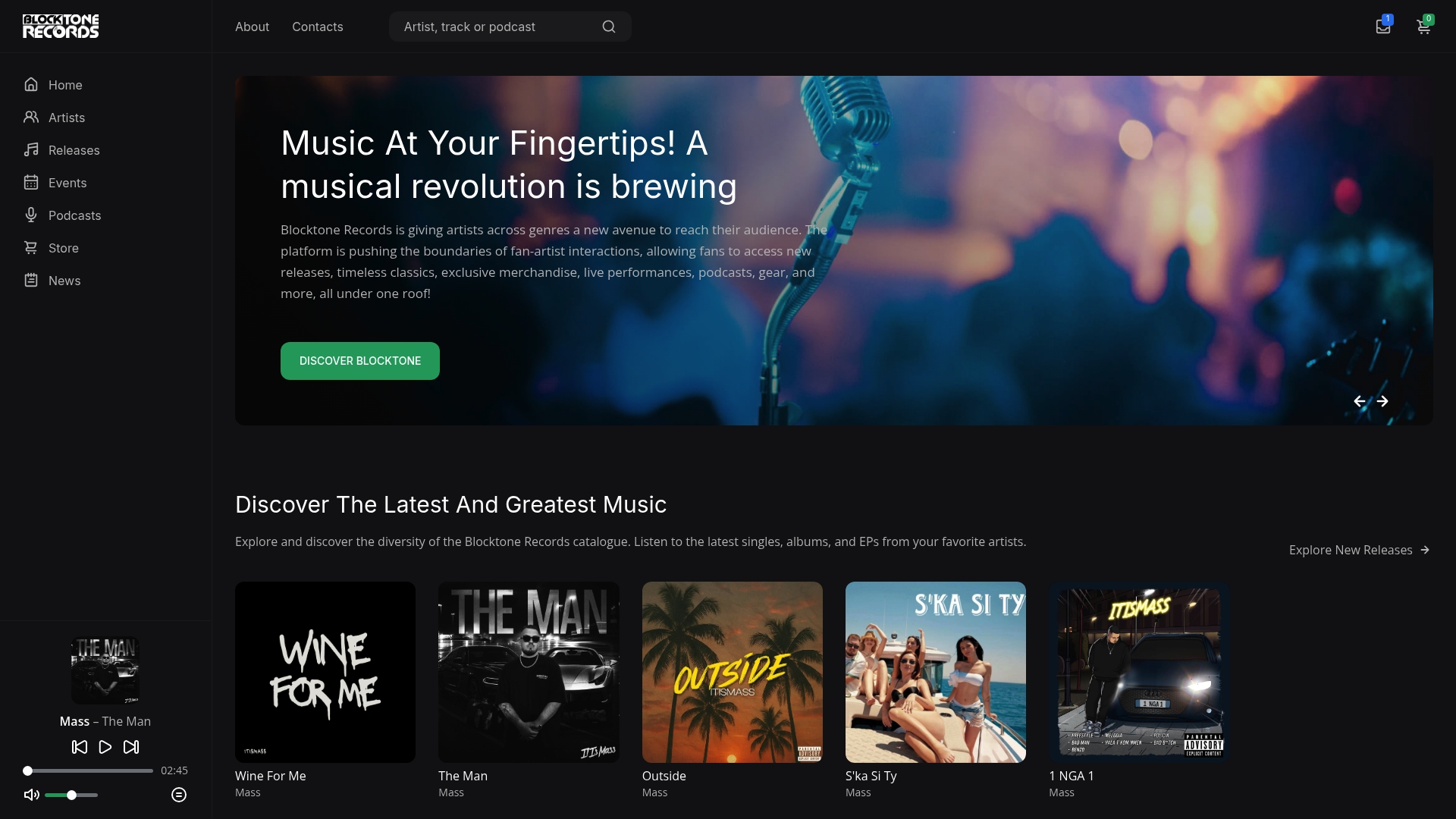
Ready to elevate your music distribution strategy and grow your fanbase with tools built specifically for independent artists Play to your strengths and take control today by joining Blocktone Records for a comprehensive, artist-first experience that expands visibility and revenue. Explore what successful music distribution looks like at Blocktone Records and start turning your passion into a sustainable career.
Frequently Asked Questions
What are music distribution channels?
Music distribution channels are the pathways through which your music reaches listeners, including streaming platforms, download stores, music videos, social media, and direct-to-fan sales.
Why are digital distribution channels important for indie artists?
Digital distribution channels provide global access and instant availability of music, allowing indie artists to reach billions of potential fans without the need for a record label.
How does physical distribution differ from digital distribution?
Physical distribution involves selling tangible music formats like CDs and vinyl, which can provide higher profit margins per unit, while digital distribution allows for instant global access with lower earnings per stream.
What role do distribution platforms play for artists?
Distribution platforms act as intermediaries that simplify the process of getting music onto various streaming services, handling uploads, metadata management, royalty tracking, and providing analytics, allowing artists to focus on creating music and engaging with fans.