
Music Merchandise: Boosting Artist Brand and Income
Finding steady income from streaming can leave many independent musicians frustrated, as those fractions of a cent per play rarely add up. Merchandise offers a different path, serving as a vital tool for artists who want to create real connections and income beyond digital plays. By treating merchandise as more than just t-shirts, you can build your brand identity and develop lasting fan relationships, making your music career both memorable and profitable.
Table of Contents
- Core Concepts Of Merchandise In Music
- Major Types And Categories Explained
- How Merchandise Builds Artist Identity
- Steps To Creating And Selling Merch
- Legal And Financial Aspects For Musicians
Key Takeaways
| Point | Details |
|---|---|
| Merchandise as a Revenue Stream | Merchandise transforms fans into supporters and creates direct income, diversifying revenue beyond streaming. |
| Intellectual Property Protection | Safeguarding trademarks and copyrights is crucial for controlling branding and preventing unauthorized sales. |
| Tailored Merchandise Strategy | Align merchandise offerings with your genre and audience preferences to enhance engagement and brand identity. |
| Quality and Consistency | Focus on high-quality materials and a cohesive design to build trust and recognition among fans. |
Core Concepts of Merchandise in Music
Merchandise is far more than band t-shirts and posters. It’s a strategic business tool that transforms casual fans into invested supporters while creating tangible revenue streams. For independent musicians, this goes beyond supplementing streaming income—it becomes a way to strengthen your brand identity and deepen fan loyalty.
At its core, music merchandise represents a key tool for brands and income diversification. Unlike streaming payments that distribute fractions of cents per play, merchandise sales put real money directly into your pocket. Every item a fan purchases sends a clear message: they value your work enough to invest in it physically.
What Makes Merchandise Strategic
Merchandise serves multiple purposes simultaneously:
- Fan connection: Physical items become tangible reminders of your music and brand
- Revenue diversification: Reduces reliance on streaming platforms that pay inconsistently
- Brand extension: Your merchandise carries your artistic vision into daily life
- Marketing tool: Fans wearing your merch become walking promoters
Music merchandise strengthens artist-fan relationships while creating a sustainable income source that streaming alone cannot provide.
The Intellectual Property Foundation
Here’s what most musicians miss: your merchandise success depends on protecting your intellectual property rights. Trademarks, design licensing, and copyright protection form the legal backbone of your merchandise operation.
Before launching merchandise, you need to think about:
- Registering your band name or logo as a trademark
- Understanding licensing requirements for any designs or imagery
- Protecting against unauthorized reproduction of your work
- Clarifying ownership rights if you collaborate with designers
These steps prevent others from profiting off your brand and give you legal recourse if someone does.
Genre-Specific Approaches
Different genres leverage merchandise differently. Hip-hop artists were particularly early adopters, recognizing merchandise as a distinctive branding and economic vehicle long before other genres fully embraced it.
Brand partnerships also play a growing role, especially for artists in certain demographics. Female musicians, for instance, have successfully used brand partnerships with companies across beauty, fashion, and music equipment industries to extend their artistic brands while maintaining cultural authenticity.
The key insight: your merchandise strategy should reflect your genre’s values and your audience’s expectations.
Building Your Foundation
Before you print a single item, establish these core elements:
- Clear brand identity (logos, colors, messaging)
- Understanding of your target audience
- Intellectual property protection
- A viable distribution method
- Realistic pricing strategy
Pro tip: Start with one high-quality item (like a limited-edition t-shirt or exclusive vinyl) rather than launching a full catalog—this lets you test the market and refine your approach before scaling.
Major Types and Categories Explained
Music merchandise falls into two main worlds: physical items you can hold and touch, plus newer digital goods that exist only online. Understanding these categories helps you choose what makes sense for your audience and your brand.
The music merchandise market has expanded dramatically, with physical and digital merchandise categories now blurring traditional lines. The global market is projected to reach $16.3 billion by 2030, showing just how massive this opportunity has become.
Physical Merchandise: The Foundation
Physical items remain the bread and butter of music merchandise. These are tangible goods fans can buy, wear, display, or use daily.
Apparel dominates this category:
- T-shirts and hoodies with your logo or album artwork
- Hats, beanies, and headwear
- Jackets and outerwear with custom designs
- Socks, hoodies, and underwear (yes, really)
Other popular physical items include:
- Posters and artwork: Album covers, tour dates, custom designs
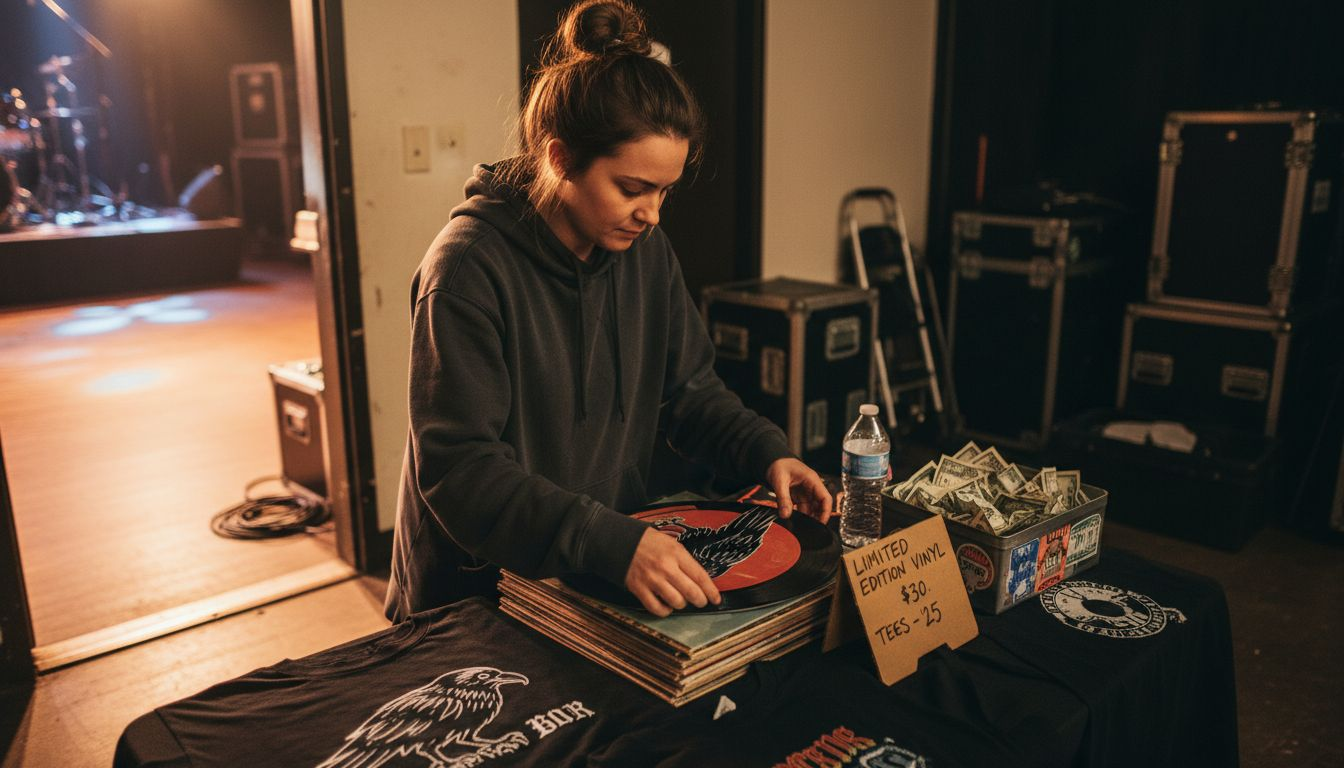
- Vinyl and CDs: Physical music formats that appeal to collectors
- Signed memorabilia: Hand-signed items command premium prices
- Collectibles: Limited-edition figurines, pins, patches
- Accessories: Phone cases, stickers, mugs, water bottles
Physical merchandise creates lasting touchpoints between you and your fans—items they see, use, and wear every day.
Digital Merchandise: The New Frontier
Digital merchandise represents the newest category, though it’s growing rapidly. These items exist only in digital form but offer unique advantages.
NFTs and blockchain-based collectibles give fans ownership of rare digital assets tied to your music or brand. Virtual goods include:
- Digital concert experiences and exclusive livestreams
- Virtual meet-and-greet passes
- Exclusive digital artwork or wallpapers
- Limited-edition digital albums with bonus content
- In-game items or avatars
Digital merchandise has lower production costs and unlimited inventory, making it attractive for artists wanting higher margins.
Here’s a quick comparison of physical and digital music merchandise to help you choose the right mix:
| Aspect | Physical Merchandise | Digital Merchandise |
|---|---|---|
| Upfront Costs | Manufacturing and shipping required | Very low, mainly design expenses |
| Inventory | Needs storage, risk of overstock | Unlimited, no physical storage |
| Appeal | Collectors and display enthusiasts | Tech-savvy and younger audiences |
| Revenue Margin | Moderate, affected by costs | High, due to low production costs |
| Scalability | Limited by production and logistics | Instantly scalable globally |
| Longevity | Physical wear, can last years | Perpetual with proper backup |
Hybrid Approaches
Smart artists blend both categories. A signed vinyl plus a digital NFT certificate of authenticity creates dual value: the physical item fans treasure and a blockchain-verified proof of exclusivity.
Your approach depends on your audience. Younger fans might gravitate toward digital goods, while collectors often prefer physical items they can display.
Choosing Your Categories
Start by asking three questions:
- What does your audience actually want to buy?
- What can you realistically produce and fulfill?
- What margins work for your pricing strategy?
You don’t need every category. Focus on one or two that align with your brand and your fans’ interests.
Pro tip: Launch with your strongest category first—apparel works for most musicians—then test additional product types once you’ve proven demand and refined your fulfillment process.
How Merchandise Builds Artist Identity
Your music tells a story. Your merchandise should too. When done right, merchandise becomes a visual extension of who you are as an artist, making your identity tangible and memorable for fans.
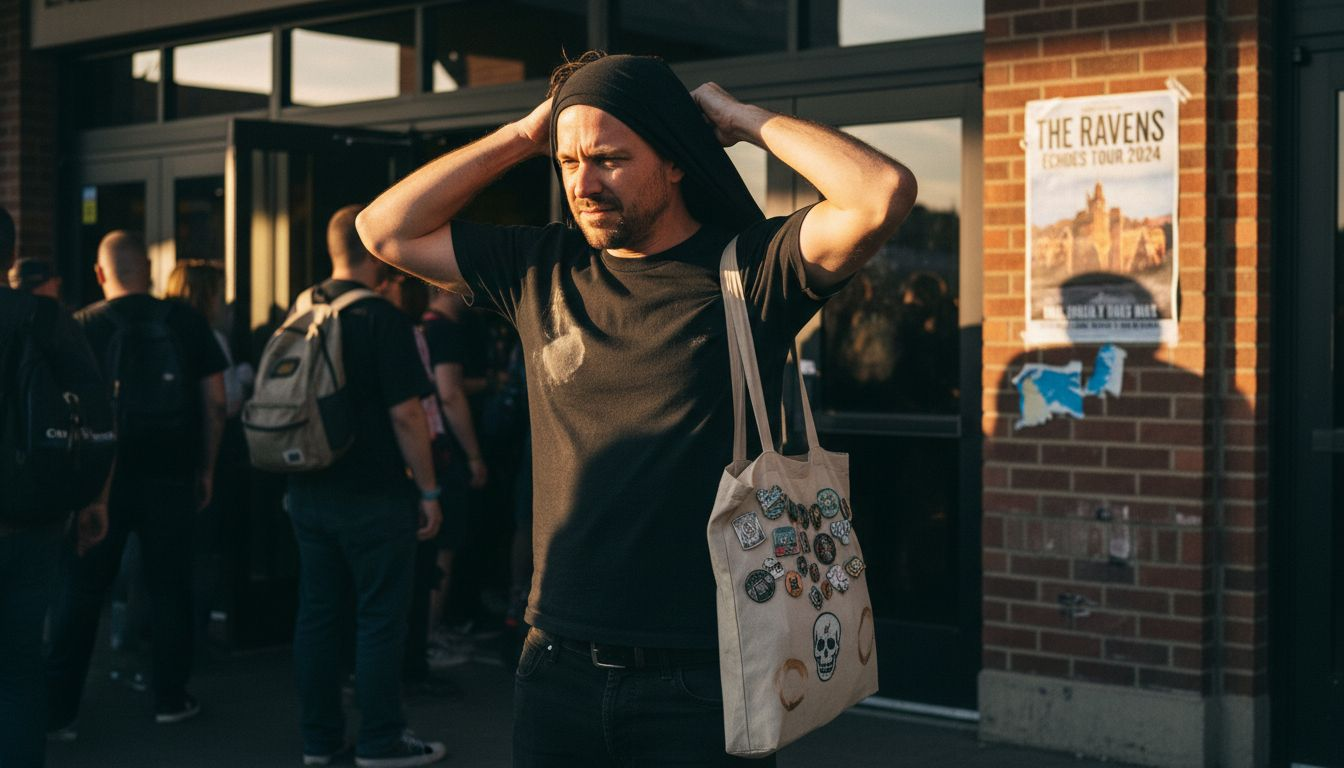
Think of merchandise as a three-dimensional representation of your brand. A fan wearing your t-shirt, carrying your tote bag, or displaying your poster is essentially broadcasting your artistic identity to the world. Visual identity significantly impacts how audiences engage with artists, and merchandise extends that visual communication far beyond album artwork.
Creating Cohesive Visual Language
Consistency across your merch builds recognition and trust. Your fans should instantly recognize your merchandise without seeing your name.
Key elements to establish:
- Color palette: Choose 2-3 colors that define your brand
- Typography: Use consistent fonts across all merch designs
- Logo placement: Decide where and how your logo appears
- Design philosophy: Abstract, minimalist, bold, ornate—pick your style and stick with it
- Imagery: Use consistent visual themes that reflect your music
When everything looks intentionally designed rather than randomly thrown together, fans perceive higher quality and deeper artistry.
Here are key elements that set high-impact music merchandise apart:
| Element | Description | Impact on Brand |
|---|---|---|
| Unified Visual Identity | Consistent use of colors and logos | Boosts recognition |
| Storytelling Through Design | Original art linked to your music | Fosters emotional ties |
| Variety of Offerings | Multiple items for varied audiences | Increases reach |
| Commitment to Quality | Durable and premium materials | Builds fan trust |
Differentiation in a Crowded Market
Thousands of musicians exist. Thousands more are launching merchandise. Thoughtful merch design helps you stand out by balancing authenticity with brand building in ways that feel genuinely yours.
Your merch shouldn’t copy trends. It should set them. Ask yourself: What makes my artistic vision unique?
Avoid generic approaches:
- Skip basic logo slapping on cheap items
- Don’t chase fast-fashion trends unrelated to your music
- Reject designs that could be any artist’s merch
Instead, create merch that tells your story and deepens the emotional connection fans already have with your music.
Deepening Fan Engagement
Merchandise transforms passive listeners into active community members. A fan who buys your merch has made a commitment beyond streaming a song.
This happens because:
- They’ve invested money into supporting you
- They wear or display your merch publicly
- They associate your brand with their identity
- They become walking promoters of your work
The result: stronger loyalty, higher engagement, and fans more likely to attend shows, buy future merch, and recommend your music to others.
Thoughtful merchandise design deepens fan engagement by transforming your artistic vision into wearable, displayable, tangible form.
Practical Brand-Building Steps
Start by auditing your current visual identity. Do your album covers, social media, and overall aesthetic tell a unified story?
If not, refine it first. Merchandise amplifies whatever identity you establish, so consistency matters more than perfection.
Pro tip: Create a simple brand guidelines document for yourself—include your colors, fonts, and design principles—then apply it religiously to every merch design to ensure instant visual recognition.
Steps to Creating and Selling Merch
Launching merchandise requires a deliberate process—from concept to customer. Skip steps and you’ll waste money on unsold inventory or poorly executed designs. Follow a structured approach and you’ll build a sustainable merch operation.
Step 1: Define Your Brand Story
Before designing anything, clarify what your merch represents. Creating music merchandise starts with defining your story and brand narrative, which guides all design and messaging decisions.
Ask yourself these questions:
- What does your music represent emotionally?
- What visual elements define your aesthetic?
- What message do you want fans wearing your merch to communicate?
- What values matter most to your brand?
Your story becomes the foundation for every design choice moving forward.
Step 2: Design Audience-Centric Products
Create designs your fans actually want to wear or display. This means understanding their preferences, age demographics, and lifestyle.
Design considerations:
- Size and fit options (offer variety)
- Color choices that appeal to your audience
- Designs that work on different product types
- Limited editions that create urgency
- Seasonal or album-specific themes
Test designs with trusted fans before production. Their feedback prevents costly mistakes.
Step 3: Source Quality Materials
Cheap merchandise damages your brand reputation. Select quality and sustainable materials that feel good, last longer, and align with your values.
Invest in:
- Premium fabric for apparel
- Durable printing techniques
- Eco-friendly options when possible
- Packaging that reflects your brand quality
Fans equate merchandise quality with music quality. Cheap merch suggests cheap artistry.
Step 4: Choose Your Sales Platform
You have several viable options for selling merch:
- On-demand production: No upfront inventory costs; platforms print items as orders arrive
- Your own online store: Full control and higher margins but requires more management
- Marketplace platforms: Built-in audience but lower profit per sale
- Concert sales: Direct fan interaction and immediate revenue
- Hybrid approach: Combine multiple channels for maximum reach
Platforms like Shopify and Etsy work well for independent musicians launching merch operations.
Step 5: Implement Marketing and Promotion
Great merch won’t sell itself. Use strategic tactics to drive sales:
- Social media: Tease new designs, share behind-the-scenes content
- Email lists: Notify fans of exclusive launches and pre-orders
- Tour promotion: Sell merch at shows where you have captive audiences
- Exclusive offers: Limited-time discounts or bundles
- Influencer partnerships: Collaborate with fans or micro-influencers
Step 6: Manage Inventory and Gather Feedback
Track what sells and what doesn’t. Clear inventory management and feedback loops support sustainable merch success.
Monitor:
- Which products sell fastest
- Customer feedback and reviews
- Seasonal trends
- Profit margins by product
Use this data to refine future collections and discontinue slow sellers.
Pro tip: Start with 2-3 products using on-demand production to test the market without financial risk, then scale to bulk orders once you’ve identified your best sellers.
Legal and Financial Aspects for Musicians
Merchandise generates real money, but only if you protect your rights and structure your business correctly. Legal agreements and financial planning separate successful merch operations from costly mistakes.
The stakes are real. Without proper contracts, you could lose control of your brand, miss revenue, or face legal disputes with manufacturers and partners. Worse, someone else could profit from your hard work.
Understanding Merchandising Agreements
Merchandising agreements legally bind artists and merchandisers covering essential terms that protect your interests.
Key elements every agreement should address:
- Names and images: Who can use your name, likeness, and brand
- Territories: Geographic regions where merch can be sold
- Duration: How long the agreement lasts
- Product approval: Your control over design and quality
- Quality control: Standards manufacturers must meet
- Revenue sharing: How profits split between parties
Never sign an agreement without reviewing these points. One bad contract can lock you into unfavorable terms for years.
Protecting Your Intellectual Property
Trademark registration is non-negotiable. Register your band name, logo, and any distinctive visual elements as trademarks with the United States Patent and Trademark Office.
Why this matters:
- Prevents competitors from using your name
- Gives you legal grounds to stop unauthorized merchandise
- Increases your brand value
- Required for international protection
Registration costs between $250 and $1,200 per mark, but it’s worth every penny.
Trademark registration is the legal foundation that lets you enforce your rights and stop others from profiting off your brand.
Licensing and Revenue Sharing
Licensing agreements define royalty rates and revenue sharing with audit rights ensuring transparency throughout your partnership.
Standard royalty structures:
- Percentage of wholesale: Typical 15-25% of manufacturer’s wholesale price
- Percentage of retail: Higher percentage (20-50%) but based on final sale price
- Per-unit royalty: Fixed amount per item sold
- Hybrid models: Combination of approaches
Always include audit rights allowing you to verify sales numbers and royalty calculations. Unaudited partnerships invite financial manipulation.
Financial Strategy for Merchandise
Merchandise is a legitimate revenue stream requiring strategic planning. Diversify across multiple sales channels—online stores, concerts, partnerships—to reduce risk and maximize income.
Consider:
- Pricing strategy: Balance profit margins with fan affordability
- Production costs: Factor in manufacturing, shipping, and storage
- Platform fees: Online shops charge 2-5% in transaction fees
- Inventory management: Excess stock ties up cash
Copyright and Design Protection
Legal considerations involve copyright clearance of designs and trademarks protecting your branding. If your merch uses artwork, sample music, or third-party designs, you need proper licenses.
Failure to clear rights exposes you to infringement lawsuits. Protect yourself by working with designers who warrant their original work or properly licensed materials.
Pro tip: Consult a music attorney before signing any merch agreement; the cost of one legal review ($500-$2,000) is far less than fixing a bad contract later.
Elevate Your Artist Brand and Income with Blocktone Records
Building a strong merchandise strategy is essential to transforming your fan base into a loyal community and creating sustainable income streams. This article highlights challenges you may face including protecting your intellectual property, choosing the right product categories, and connecting meaningfully through merchandise design. At Blocktone Records, we understand these hurdles and offer a comprehensive digital platform to help you showcase and monetize your music while engaging fans with exclusive releases, live performances, and, importantly, your carefully crafted merchandise.
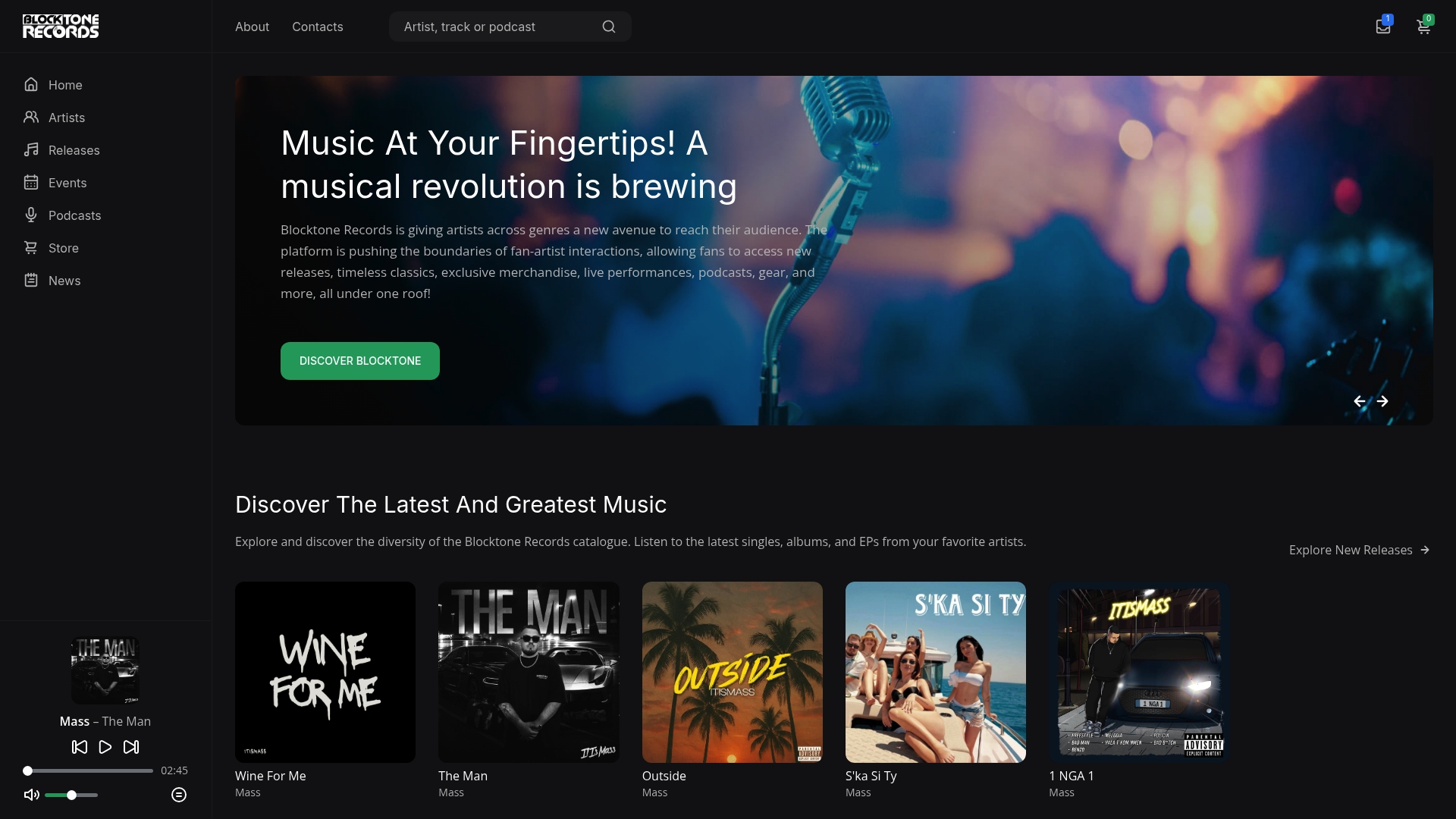
Start growing your artist brand today by integrating your merchandise with a trusted music platform that values both your artistic vision and your revenue goals. Explore how you can expand your reach and deepen fan connections by visiting Blocktone Records. Take control of your merchandising journey with expert tools and community support available now at Blocktone Records. Don’t miss out on turning your merchandise into a powerful extension of your music brand.
Frequently Asked Questions
What types of merchandise can artists sell to boost their brand?
Artists can sell a variety of merchandise including apparel like t-shirts and hoodies, physical music formats such as vinyl and CDs, posters, signed memorabilia, collectibles, and accessories like phone cases and mugs. Digital goods like NFTs and exclusive online experiences are also becoming popular.
How can merchandise help deepen the connection between artists and fans?
Merchandise creates tangible reminders of an artist’s work, which fans can wear or display. When fans invest in merchandise, it signals their commitment to the artist, fostering loyalty and transforming passive listeners into active supporters.
Why is protecting intellectual property important for music merchandise?
Protecting intellectual property, through trademarks and copyright, ensures that artists maintain control over their brand. It prevents others from profiting off their work and provides legal recourse if unauthorized merchandise is produced.
How should artists determine the right mix of physical and digital merchandise?
Artists should consider their target audience’s preferences, production capabilities, and pricing strategies. They can start with one or two categories that align with their brand, focusing on what their fans are most interested in purchasing.