


What is music industry news? A 2026 guide for artists
Many believe music industry news only matters for label executives and established stars, but in 2026, a single legal ruling or streaming platform decision can reshape earning opportunities for independent artists overnight. Music industry news encompasses artist updates, legal disputes over royalties, festival announcements, technological innovations like AI music tools, and shifting trends across streaming platforms and distribution channels. This guide clarifies what qualifies as music industry news, examines how current legal battles and AI developments are transforming the landscape, and provides actionable strategies for artists, professionals, and fans to leverage these insights for career growth and deeper engagement.
Table of Contents
- Defining Music Industry News: What It Includes And Why It Matters
- Trend And Legal News Shaping The Music Industry In 2026
- Technology And AI Influences In 2026 Music News
- Using Music Industry News To Your Advantage: Practical Tips For Artists And Professionals
- Explore Music Opportunities With BlockTone Records
Key takeaways
| Point | Details |
|---|---|
| Scope of coverage | Music industry news covers artists, events, legal matters, streaming, and technological advancements, helping professionals make informed decisions. |
| Legal battles reshape economics | Recent cases like Lit’s streaming royalty lawsuit highlight how old contracts clash with modern streaming realities, affecting artist earnings. |
| AI transforms creation and income | Suno AI reached 2 million paid subscribers by February 2026, raising concerns about royalty dilution and hybrid creative workflows. |
| Application drives success | Artists who monitor legal updates and tech trends can protect rights, discover opportunities, and adapt strategies faster than competitors. |
| Fan engagement deepens understanding | Following industry news helps fans discover new releases early and support artists more effectively through informed participation. |
Defining music industry news: what it includes and why it matters
Music industry news delivers updates on artist activities, legal and royalty disputes, festival announcements, technology impacts, and trend shifts across streaming platforms and distribution channels. This category extends beyond simple artist announcements to encompass contract negotiations, copyright battles, platform policy changes, and economic shifts affecting everyone from independent musicians to major label executives.
Consider recent examples that illustrate this breadth. Festival lineups like Coachella expansions draw massive attention for booking trends and artist visibility opportunities. Legal cases such as Lit’s streaming royalty lawsuit expose how 1990s contracts struggle to address streaming economics. Technology stories about AI music platforms reveal new creative tools while raising questions about authenticity and income protection.
Professionals and artists rely on this news for strategic decisions. A label executive tracking mechanical royalty disputes can adjust contract language proactively. An independent artist monitoring AI developments might explore music streaming essentials to understand how algorithms prioritize content. Managers use legal updates to renegotiate terms before disputes arise.
Dedicated fans benefit differently but significantly. Following record label releases and merch news helps discover artists before mainstream breakthrough. Understanding music news section benefits reveals how early engagement supports emerging talent.
Key components of comprehensive music industry news include:
- Artist signings, releases, and career milestones that signal market direction
- Legal disputes over streaming royalties, contract terms, and copyright definitions
- Festival and tour announcements revealing booking trends and geographic market strength
- Technology innovations including AI tools, distribution platforms, and production software
- Economic data on streaming revenue, merchandising sales, and audience demographics
- Regulatory changes affecting licensing, royalty rates, and international distribution
Pro Tip: Set up daily alerts for verified music industry publications to catch breaking news within hours, giving you time to adjust strategies before competitors react.
Trend and legal news shaping the music industry in 2026
Legal battles over streaming royalties and mechanical licensing are fundamentally reshaping how artists earn from digital platforms in 2026. Two high profile cases illustrate this transformation. Lit is suing Sony Music to enforce a 50% streaming royalty rate from a 1998 contract, claiming over $800,000 owed from streaming plays of their hit “My Own Worst Enemy.” The band argues their original agreement, which predates Spotify and Apple Music, entitles them to significantly higher rates than Sony currently pays.

Simultaneously, The Mechanical Licensing Collective and Pandora are battling over whether Pandora Free owes mechanical royalties for ad supported streams. This dispute centers on how copyright law defines interactive versus non interactive services, with billions in potential royalty payments hanging in the balance.
These cases expose a critical industry challenge: contracts written before streaming became dominant often contain ambiguous language about digital distribution. Artists with legacy deals discover their agreements lack specific streaming terms, leading to underpayment disputes. Meanwhile, newer contracts attempt to define every possible digital format, creating complexity that requires legal expertise to navigate.
| Case | Parties | Core Issue | Industry Impact |
|---|---|---|---|
| Lit vs. Sony Music | Band Lit, Sony Music | 50% streaming royalty rate from 1998 contract vs. current lower rate | Sets precedent for legacy contract interpretation in streaming era |
| MLC vs. Pandora | Mechanical Licensing Collective, Pandora | Whether ad supported Pandora Free must pay mechanical royalties | Determines royalty obligations for non interactive streaming services |
The outcomes will establish whether older contracts automatically apply favorable terms to new technologies or if artists must renegotiate. Artists with pre streaming agreements should examine their contracts for language about “new media,” “digital distribution,” or “future formats” that might support higher royalty claims.
Understanding music streaming essentials becomes crucial as these disputes progress. Independent artists can learn from these battles by ensuring new contracts explicitly address streaming splits, mechanical royalty calculations, and platform specific payment structures. Resources like music distribution tips provide guidance on negotiating favorable terms before signing.
Key implications for different stakeholders:
- Independent artists: Review all contract language related to digital rights and streaming percentages before signing
- Established artists with legacy deals: Consult entertainment lawyers about potential renegotiation opportunities
- Labels and publishers: Update standard contract templates to address mechanical licensing explicitly
- Streaming platforms: Prepare for potential policy changes based on legal precedents
Pro Tip: Maintain detailed records of all streaming plays and royalty statements, comparing them quarterly against contract terms to catch discrepancies early before they accumulate into significant losses.
Technology and AI influences in 2026 music news
Artificial intelligence platforms are generating intense debate across the music industry in 2026, with Suno AI growing to 2 million paid subscribers and a $2.45 billion valuation by February 2026. This explosive growth represents both opportunity and threat, depending on whether you create AI assisted music or compete against it for streaming revenue and listener attention.
Suno AI and similar platforms allow users to generate complete songs from text prompts, including vocals, instrumentation, and production elements. Subscribers create thousands of tracks daily, uploading many to streaming platforms where they compete for playlist placement and algorithmic recommendations alongside human created music. This flood of AI generated content raises critical questions about royalty pool dilution and creative authenticity.
Artist backlash includes the “Say No to Suno” campaign, with musicians arguing that AI platforms train on copyrighted material without permission or compensation. When AI generated tracks enter streaming platforms, they draw from the same finite royalty pools that compensate human artists. If AI music accumulates millions of streams, it reduces per stream payouts for everyone else.
Yet some artists embrace hybrid workflows. Suno AI introduced stem export features, allowing musicians to generate initial ideas or backing tracks, then apply human artistry through rewriting, re recording, and creative refinement. This approach treats AI as a collaborative tool rather than a replacement, similar to how producers use sample libraries or virtual instruments.
The technology’s impact extends beyond creation into music platforms for artists. Streaming services face pressure to identify and potentially flag AI generated content, creating transparency for listeners who prefer human created music. Some platforms experiment with separate discovery algorithms for AI versus human artists, while others integrate both without distinction.
For music discovery for artists, AI presents both competition and opportunity. Independent musicians can use AI tools for rapid prototyping, creating demo versions of songs before investing in studio time. Conversely, the sheer volume of AI generated content makes standing out more challenging, requiring stronger branding and authentic fan connections.
Key considerations for navigating AI music trends:
- Monitor how major streaming platforms categorize and recommend AI generated content
- Understand royalty implications if AI tracks dilute per stream payments in your genres
- Explore hybrid workflows that combine AI efficiency with human creativity and emotional depth
- Strengthen direct fan relationships through live performances, behind the scenes content, and authentic storytelling
- Stay informed on pending legislation regarding AI training data and copyright protection
Pro Tip: Experiment with AI tools privately to understand their capabilities and limitations, then decide strategically whether incorporating them into your creative process adds genuine value or risks diluting your artistic identity.
Using music industry news to your advantage: practical tips for artists and professionals
Transforming industry news from passive consumption to active career strategy requires systematic monitoring and strategic application. Follow these steps to build an effective news tracking system that delivers actionable insights rather than information overload.
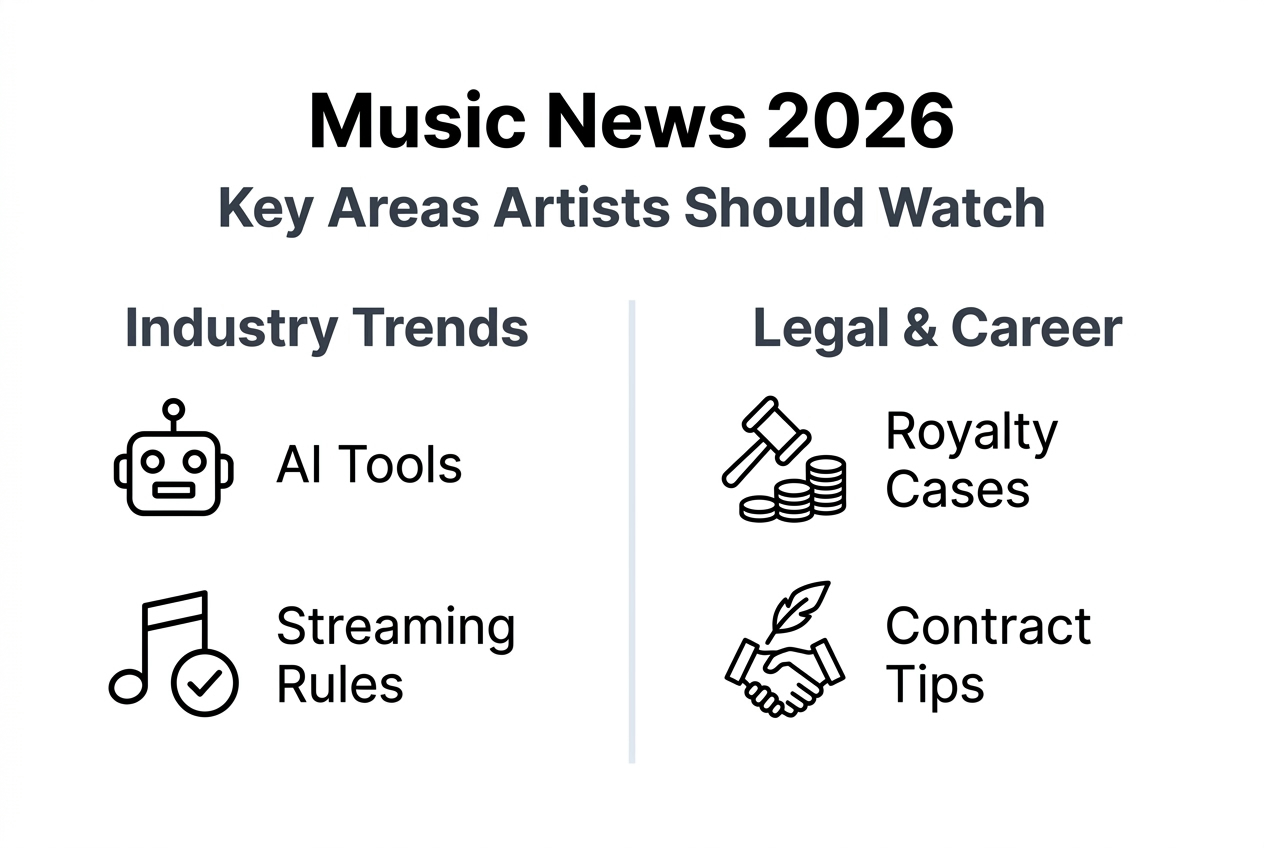
First, identify verified sources that publish timely, accurate reporting. Major industry publications like Billboard, Music Business Worldwide, and Variety maintain editorial standards and fact checking processes. Trade organizations including the Recording Industry Association of America and the National Music Publishers Association release policy updates and economic data. Supplement these with genre specific outlets covering your musical niche.
Second, establish a monitoring routine. Dedicate 15 minutes each morning to scanning headlines, looking specifically for legal updates affecting contracts you’ve signed, technology announcements impacting your distribution strategy, and trend shifts in your target markets. Use RSS readers or email digests to centralize information from multiple sources.
Third, categorize news by immediate versus long term relevance. A streaming platform announcing algorithm changes requires immediate action to adjust release strategies. A pending legal case about mechanical royalties might not affect you for months but deserves periodic monitoring as it progresses through courts.
Artists should pay particular attention to legal cases establishing precedents for contract interpretation, royalty calculations, and rights protection. When Lit sues Sony Music over streaming rates, independent artists can examine their own agreements for similar language. When the Mechanical Licensing Collective battles Pandora, songwriters learn which platform types owe mechanical royalties.
For fans wanting to support artists effectively, industry news reveals when musicians face challenges requiring direct assistance. Following music discovery guide resources helps identify emerging talent before algorithmic recommendations catch up. Understanding top singles and albums role in industry economics shows how chart performance translates to booking opportunities and label interest.
| News Type | Artist Response | Professional Response | Fan Response |
|---|---|---|---|
| Legal dispute over royalties | Review contracts for similar terms, consult lawyer if applicable | Update standard contract templates, advise clients proactively | Understand artist income challenges, support through direct purchases |
| Festival lineup announcement | Assess booking trends, identify target festivals for outreach | Connect artists with booking agents, leverage relationships | Plan attendance, discover new artists before mainstream breakthrough |
| Technology platform launch | Evaluate creative tools, test distribution channels | Research client applications, negotiate early adopter advantages | Explore new discovery methods, provide feedback to artists |
| Streaming policy change | Adjust release strategy, optimize metadata and promotional timing | Communicate changes to artist rosters, develop adaptation strategies | Recognize how changes affect artist visibility and income |
Best practices for integrating news monitoring into daily workflows:
- Schedule specific times for industry news review rather than checking randomly throughout the day
- Create a digital folder system organizing saved articles by category: legal, technology, trends, opportunities
- Share relevant news with your network, building reputation as an informed industry participant
- Connect news events to concrete actions: if a platform changes algorithms, update your release strategy within 48 hours
- Track outcomes of legal cases and policy changes, building institutional knowledge about industry evolution
Professionals managing multiple artists should develop briefing systems that filter news to each client’s specific needs. An electronic music producer doesn’t need country music festival updates, but both benefit from streaming royalty legal precedents.
- Establish your priority news categories based on career stage, genre focus, and business model
- Select three to five primary sources covering those categories comprehensively
- Set up daily or weekly digests delivering curated headlines
- Allocate specific time blocks for news review, treating it as essential business development
- Document how news events influenced your decisions, creating a personal case study library
- Network with other professionals to share insights and interpretations of complex developments
This systematic approach transforms overwhelming information flow into strategic intelligence, giving you competitive advantages through faster adaptation to industry changes.
Explore music opportunities with BlockTone Records
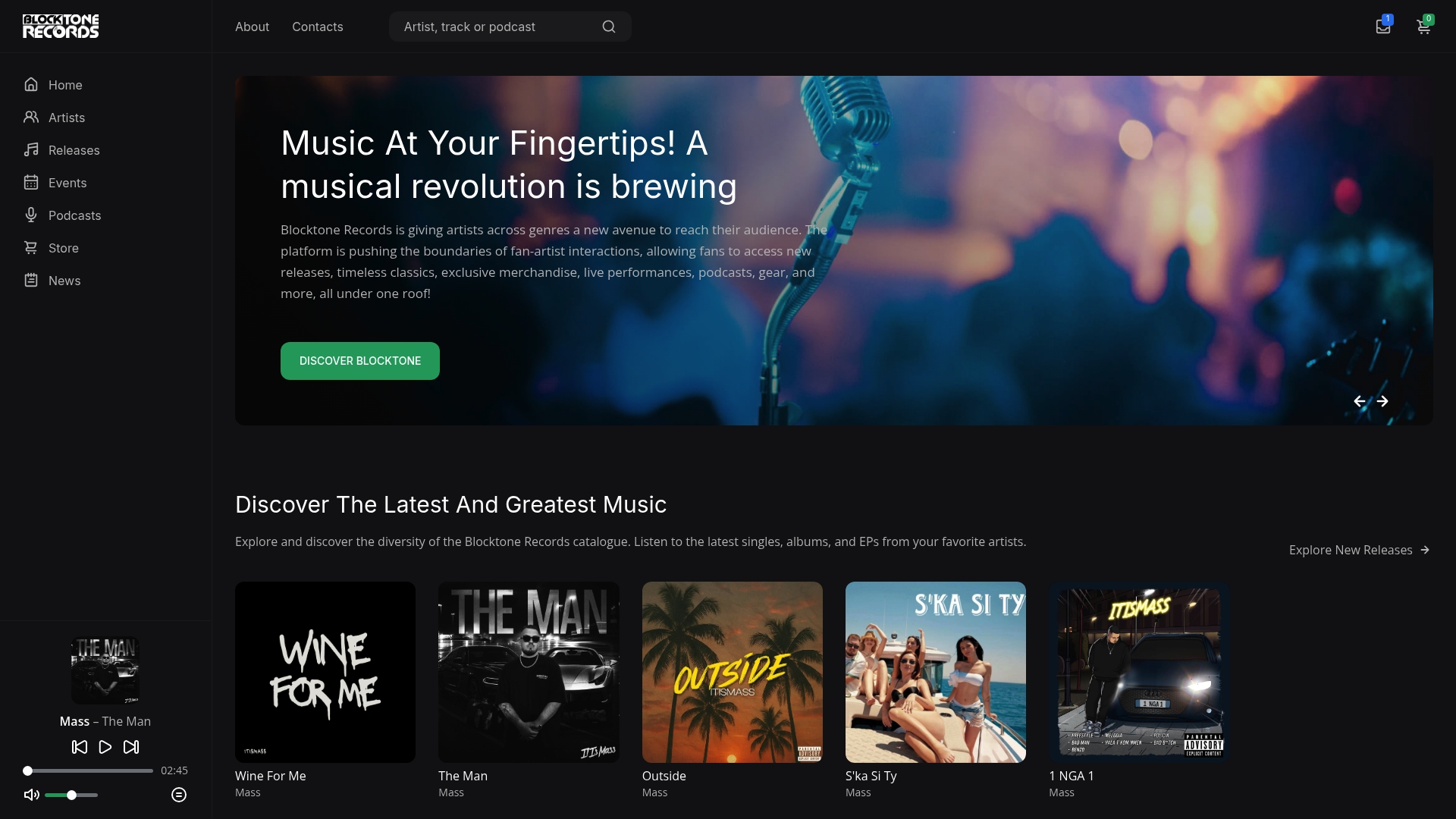
Navigating the complex landscape of streaming royalties, AI developments, and evolving distribution platforms requires both knowledge and the right partnerships. BlockTone Records offers independent artists comprehensive resources for showcasing music, connecting with dedicated fans, and maximizing discovery opportunities across digital channels. Whether you’re tracking legal precedents affecting your contracts or exploring how AI tools might enhance your creative workflow, understanding music streaming essentials positions you to make informed decisions. The platform’s emphasis on artist empowerment and direct fan engagement provides practical alternatives to traditional label structures, with merchandising, exclusive releases, and community building tools designed for today’s independent music economy. Explore music discovery for artists resources to develop strategies that cut through algorithmic noise and build authentic connections with listeners who value your unique artistic vision.
Frequently asked questions
What sources provide reliable music industry news updates?
Billboard, Music Business Worldwide, Variety, and Rolling Stone maintain strong editorial standards and fact checking processes for industry reporting. Trade organizations like the Recording Industry Association of America and National Music Publishers Association publish policy updates and economic data directly from source documents. Supplement mainstream outlets with genre specific publications covering your musical niche for comprehensive coverage.
How does music industry news affect emerging artists differently than established stars?
Emerging artists face greater vulnerability to platform algorithm changes and streaming policy shifts because they lack established fan bases to buffer income fluctuations. Legal precedents around contract interpretation matter more to new artists negotiating first deals without bargaining power that established stars possess. Technology developments like AI music platforms create both opportunities for rapid prototyping and increased competition for discovery, making strategic awareness essential for independent musicians building careers.
In what ways can fans benefit from following music industry news regularly?
Following music news section benefits helps fans discover emerging artists before mainstream breakthrough, supporting musicians during critical early career stages when engagement matters most. Understanding industry economics reveals how streaming, merchandising, and concert attendance each contribute differently to artist income, enabling fans to support effectively. Industry news also provides context for why favorite artists make specific decisions about release timing, platform choices, and creative direction.
How often should professionals check music industry news to stay current?
Daily monitoring for 15 minutes each morning catches breaking developments requiring immediate strategic response, particularly algorithm changes, legal rulings, and platform policy updates. Weekly deep dives into longer analysis pieces build comprehensive understanding of trends and their long term implications. Monthly reviews of trade organization reports and economic data provide macro perspective on industry health and opportunity areas across different market segments.